TikTok's Trump Era: Content Suppression Claims Spark State Investigation
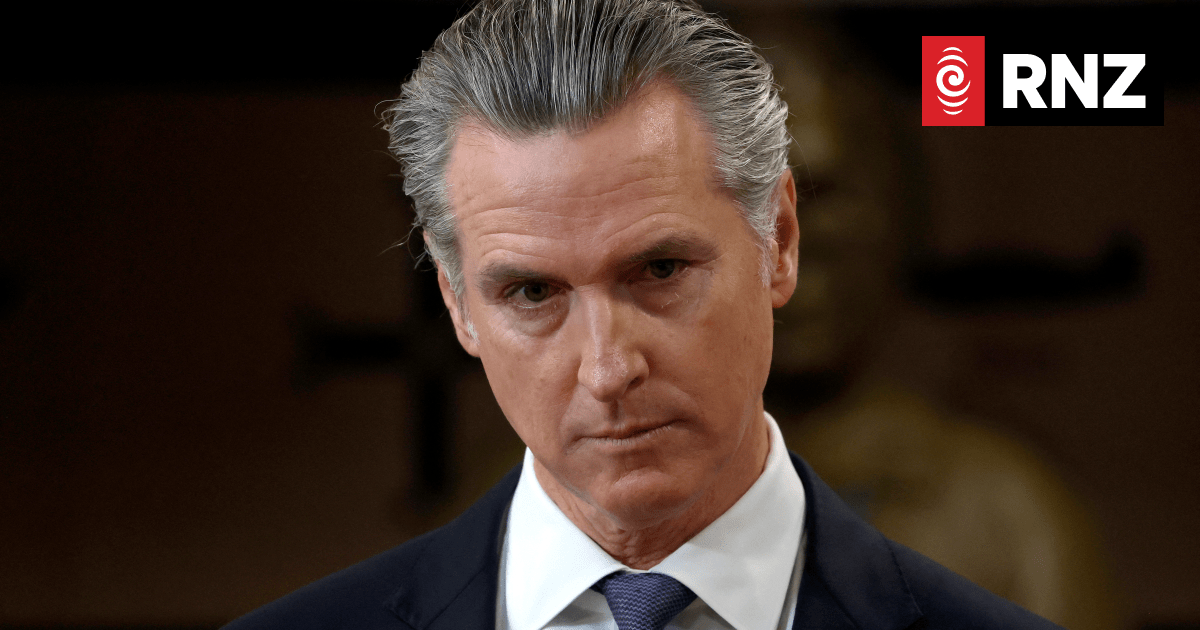
The intersection of technology, politics, and content moderation has taken a dramatic turn as California Governor Gavin Newsom launches an investigation into TikTok's alleged suppression of content critical of President Donald Trump. This development comes just as the platform secures its future in the US through a landmark deal with American investors.Newsom's office announced the probe on X, stating they had "received reports, and independently confirmed instances, of suppressed content critical of President Trump" following TikTok's sale to what they describe as a "Trump-aligned business group." The California Department of Justice will now determine whether such practices violate state law.The timing is particularly significant. ByteDance recently finalized a deal creating TikTok USDS Joint Venture LLC, where American and global investors hold 80.1% while ByteDance retains 19.9%. The arrangement involves tech giant Oracle, private equity firm Silver Lake, and Abu Dhabi's MGX investment firm, each holding 15% stakes.This restructuring represents a seismic shift for a platform that serves over 200 million Americans. The deal addresses long-standing national security concerns while potentially reshaping how content moderation operates on one of the world's most influential social media platforms.Trump, who boasts 16 million TikTok followers, has credited the app with helping secure his 2024 election victory—a stark contrast to his previous attempts to ban the platform during his first presidency. This evolution highlights the complex relationship between political power and digital platforms in the modern era.The investigation raises fundamental questions about algorithmic transparency and content governance in an age where social media platforms wield unprecedented influence over information flow. As TikTok navigates its new ownership structure, the California probe could set precedents for how states regulate content moderation practices.For the tech industry, this case represents a critical test of how platform governance adapts to changing political landscapes while maintaining user trust and regulatory compliance across multiple jurisdictions.Source: Radio New Zealand