FBI Probes Signal Groups Tracking ICE: Free Speech vs. Security Clash
New FBI investigation targets encrypted messaging groups monitoring immigration enforcement, sparking constitutional debate over digital surveillance and First Amendment rights.
FBI Probes Signal Groups Tracking ICE: Free Speech vs. Security Clash
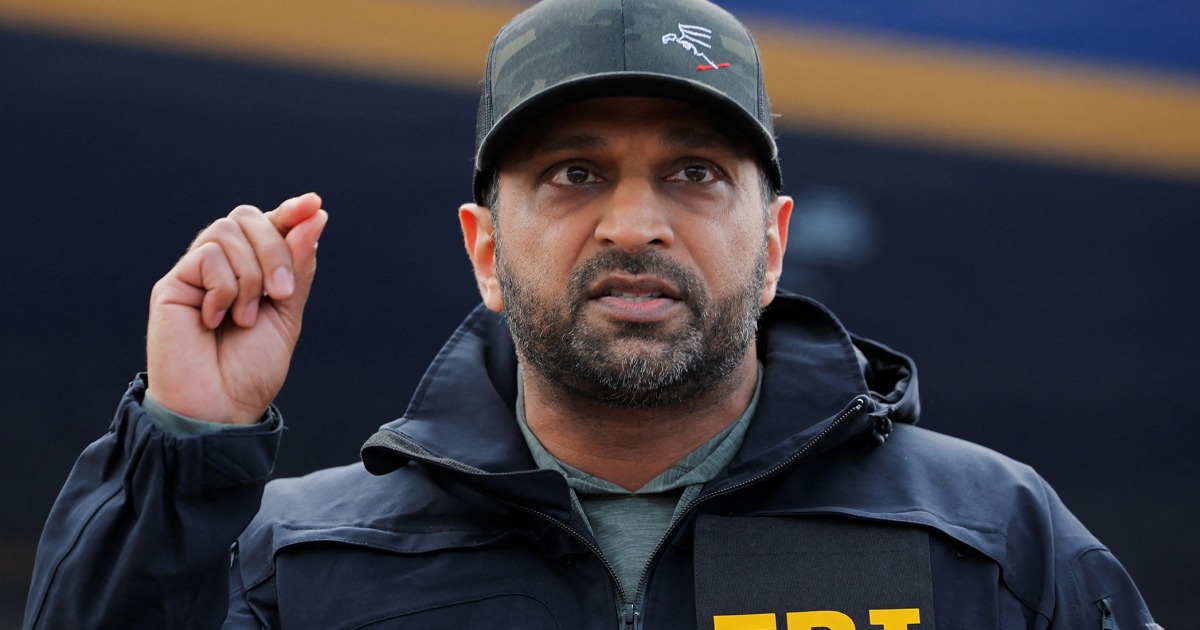
The intersection of digital privacy, immigration enforcement, and constitutional rights has reached a new flashpoint as FBI Director Kash Patel announced an investigation into Signal messaging groups used by Minnesota residents to track federal immigration agents' movements.This development represents more than just a law enforcement action—it signals a fundamental tension between emerging digital organizing tools and traditional government authority, with profound implications for how technology shapes civil liberties in the digital age.The investigation centers on encrypted Signal group chats where community members share real-time information about Immigration and Customs Enforcement (ICE) operations, including agent locations and vehicle license plates. Patel, speaking to conservative podcaster Benny Johnson, claimed these activities could put federal agents "in harm's way" and potentially violate federal statutes.The probe was reportedly triggered by a viral social media post from conservative journalist Cam Higby, who claimed to have "infiltrated" Minneapolis-area Signal groups. Higby's thread garnered 20 million views, highlighting how social media amplification can rapidly escalate local digital organizing into national political flashpoints.For digital rights advocates, this investigation represents a concerning precedent for government overreach into protected speech. "The ability of everyday citizens to hold government agents to account, by observing them and advocating for change, is what has distinguished the American experiment with democracy from authoritarian regimes," said Alex Abdo of the Knight First Amendment Institute at Columbia University.The case illuminates how encrypted messaging platforms have become critical infrastructure for grassroots organizing. Signal, developed by a nonprofit foundation, has gained prominence for its robust encryption and privacy features. The platform has previously been used by everyone from defense officials to activists, demonstrating how the same technology can serve vastly different purposes across the political spectrum.In Minneapolis's Twin Cities area, these digital tools have evolved into sophisticated community protection networks. Volunteers use Signal alongside traditional tools like walkie-talkies and whistles to coordinate real-time warnings about immigration enforcement, particularly near schools. With over 3,000 federal immigration agents operating in Minnesota, organizers say they're motivated by protecting vulnerable community members.This investigation occurs against a backdrop of increasing government scrutiny of digital organizing tools. Earlier, Apple removed the ICEBlock app—designed for sharing ICE sighting information—from its app store, prompting a lawsuit alleging government pressure to suppress the platform.The constitutional implications extend beyond free speech. Legal experts argue that the government cannot simply "balance" First Amendment protections against other interests. "The Constitution takes precedence over any conflicting state or federal law, and over any official's desire to suppress speech they dislike," noted Aaron Terr from the Foundation for Individual Rights and Expression.Patel's investigation also claims to examine funding sources for resistance activities, suggesting these efforts aren't "happening organically." This line of inquiry reflects broader concerns about how digital platforms enable rapid coordination and resource mobilization for political organizing.The timing is particularly significant given recent incidents, including the fatal shooting of Alex Pretti by a federal agent in Minneapolis. Patel referenced Second Amendment considerations, noting Pretti was legally armed, adding another layer of complexity to the constitutional questions at stake.As this investigation unfolds, it will likely establish important precedents for how law enforcement can investigate digital organizing activities. The outcome could significantly impact how communities use encrypted messaging for civic engagement and government accountability.This case represents a critical test of whether digital privacy tools and grassroots organizing can coexist with traditional law enforcement authority in an increasingly connected society. The resolution will shape the boundaries of digital civil liberties for years to come.Source: NBC News