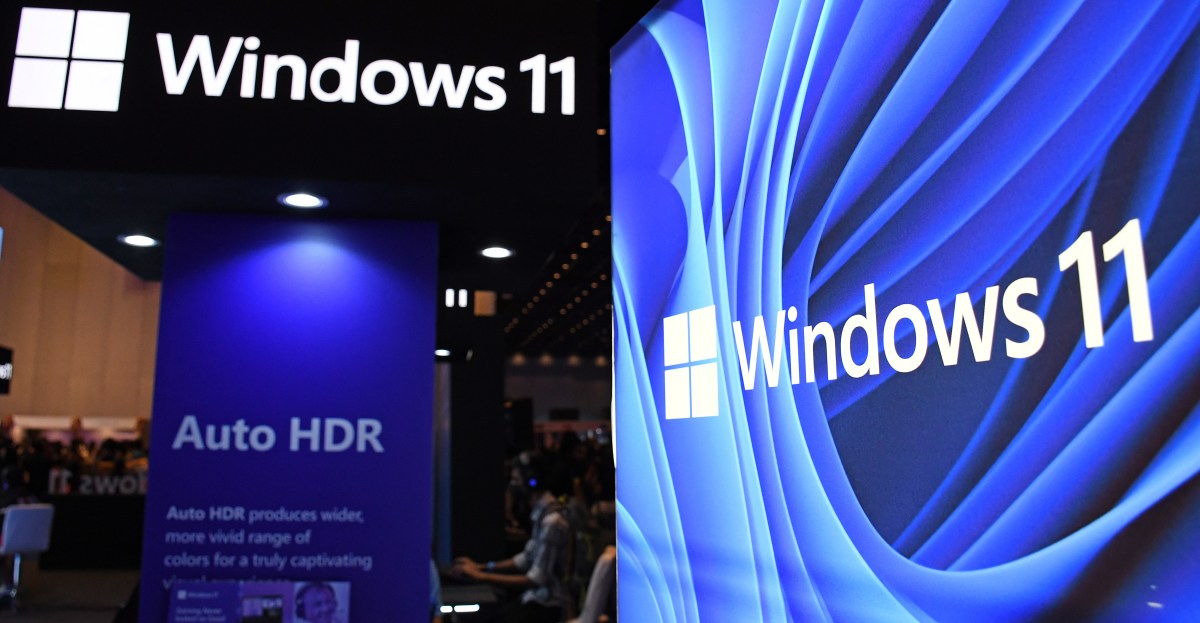
Microsoft announced that Windows 11 has officially reached the one billion user milestone during the company’s fiscal Q2 2026 earnings call. CEO Satya Nadella stated that the platform experienced growth of over 45% year-over-year in the preceding quarter. This rapid adoption rate positions Windows 11 to surpass the deployment timeline of its predecessor, Windows 10.
According to reporting from The Verge, Windows 11 achieved this user base in 1,576 days since its launch. This is notably faster than the 1,706 days Windows 10 required to secure one billion installations. Microsoft executives attribute some of this accelerated migration to the impending end-of-support date for the decade-old Windows 10 operating system.
Microsoft had initially targeted a three-year timeline for Windows 10 to hit the billion-user mark, a goal that was reportedly extended following strategic shifts, including the cancellation of the Windows Phone initiative. The recent surge suggests that enterprises and consumers are proactively refreshing hardware ahead of the required transition away from Windows 10.
This user growth also positively impacted Microsoft’s financial metrics in the period. The company reported increased Windows OEM revenues, which typically correlates with new PC sales driven by necessary OS upgrades. This indicates hardware refresh cycles are gaining momentum alongside software adoption.
Just prior to this announcement, Windows chief Pavan Davuluri indicated at Microsoft Ignite in November that nearly one billion people were already utilizing Windows 11. This prior data point confirms the strong upward trajectory leading into the reported holiday quarter achievement.
The successful migration to Windows 11 is crucial for Microsoft as it integrates new AI capabilities, such as Copilot, natively into the OS experience. A larger active user base provides a more substantial foundation for deploying and monetizing these advanced features.
For the technology sector, this speed of adoption underscores the market’s appetite for modern, security-enhanced operating systems. Microsoft will now focus on deepening feature adoption within this massive user cohort to realize the full strategic value of the latest OS iteration.