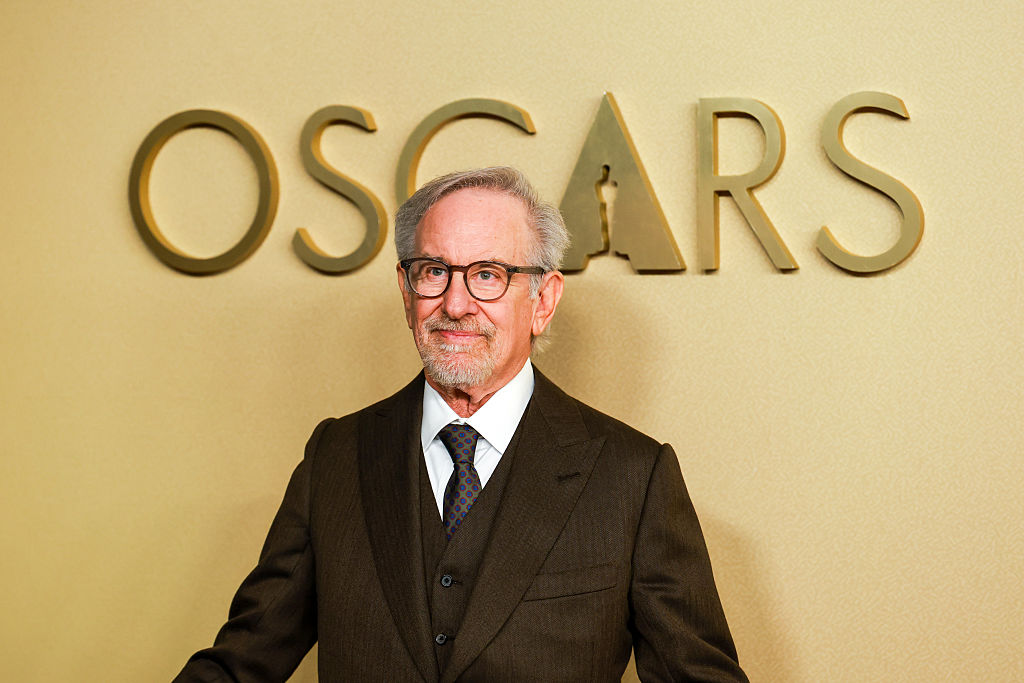
Legendary filmmaker Steven Spielberg spoke out against the use of artificial intelligence within creative endeavors at the annual SXSW conference. The event took place in Austin on Friday during a high-profile session focused on the future of media production. Audience members reacted strongly to his stance on the technology during the interview segment. Reports indicate the discussion became a focal point of the panel.
When asked about the utility of AI tools in the filmmaking process, Spielberg stated he had never used the technology on any of his films. The audience erupted with cheers and applause immediately following his confirmation regarding his personal workflow. This response highlighted a significant divide between traditional creators and emerging tech adopters in the industry. The interaction demonstrated the emotional weight of the topic for the room.
The director is not strictly anti-technology despite his current position on generative tools and automation. His own productions have frequently imagined worlds filled with advanced machinery, such as Minority Report and A.I. Artificial Intelligence. These narratives often explored the dual nature of technological progress for both good and bad outcomes. He maintains a nuanced view on how technology serves humanity in his vision.
Spielberg clarified that he supports the technology in many disciplines outside of creative writing rooms entirely. He noted there is no empty chair with a laptop in the writers' room during his productions. This specific approach prevents the outsourcing of core creativity to the machine during development. He draws a clear line between assistance and replacement in the creative process.
He explicitly stated he is not in favor of AI if it replaces a creative individual entirely within the process. This philosophy distinguishes his practice from other executives who prioritize efficiency over human input. The comment suggests a protective stance for the artistic integrity of his work moving forward. He values the human element in storytelling above all other metrics.
Industry trends indicate that startups are pitching AI assistance to resource-constrained indie filmmakers at this time. Meanwhile, major streaming platforms are integrating these tools into their workflows at a rapid scale. Amazon reportedly tested tools for AI in film and TV production this year according to reports. These shifts suggest a changing economic landscape for content creation.
Netflix acquired Ben Affleck’s AI filmmaking company for a reported $600 million earlier this month. This acquisition signals a shift where capital flows toward artificial intelligence integration in entertainment. Such moves contrast sharply with Spielberg’s refusal to adopt similar methods for his own projects. The financial investment underscores the industry's confidence in automation capabilities.
The conflict between efficiency and artistry defines the current conversation within the entertainment sector globally. As more studios adopt automated solutions, the industry will watch how major figures respond to the pressure. Future projects may reveal whether this stance influences broader production standards across Hollywood. Observers will track whether this distinction holds as technology becomes more ubiquitous in the market.
The debate continues to evolve as new tools emerge for content creators at every level. This moment marks a critical juncture for the future of cinema and digital storytelling. The divergence between legacy directors and new streaming giants will likely shape industry standards for years to come. Production houses will need to balance cost with artistic reputation.