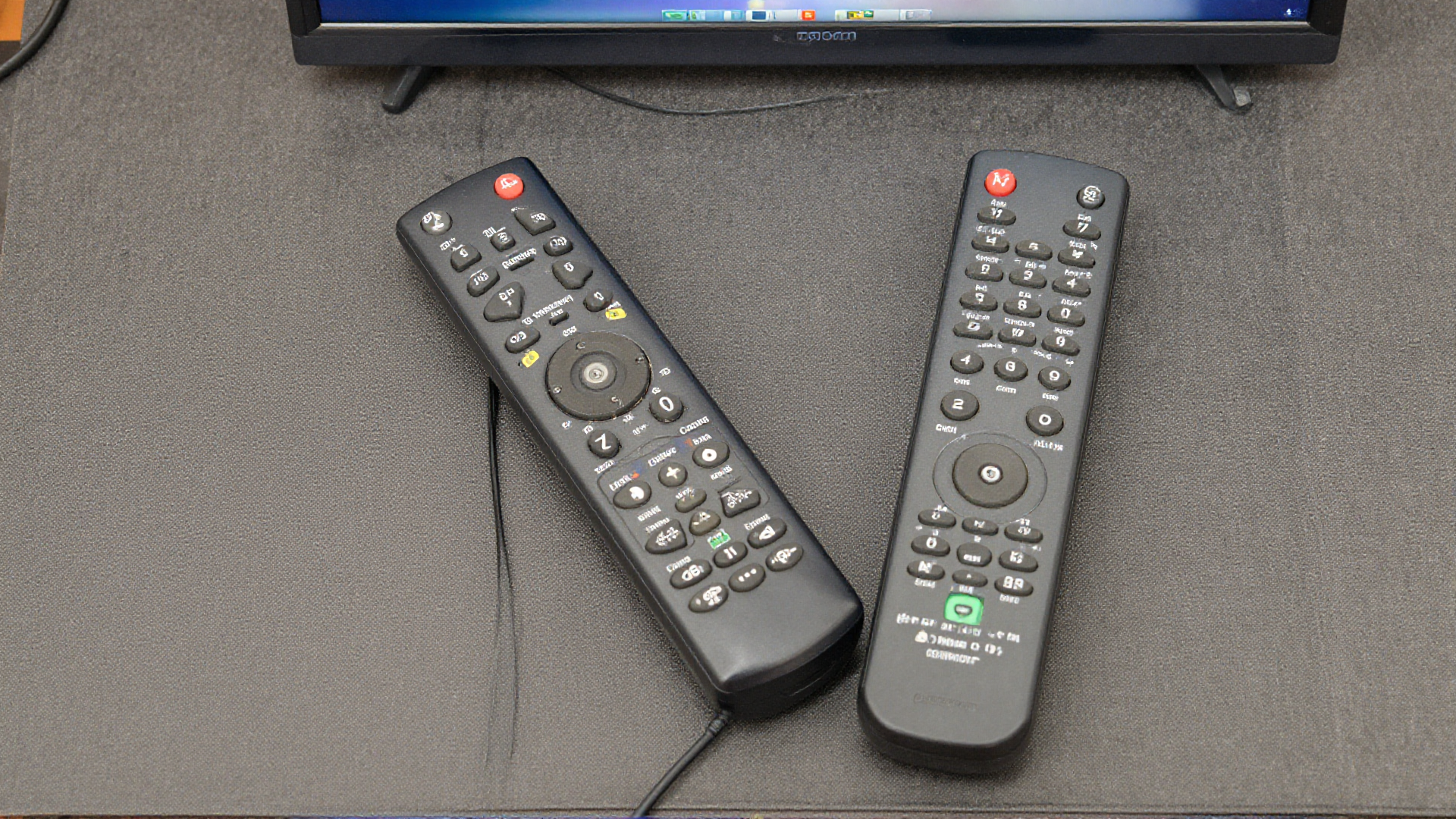
A technology user recounted an unexpected conflict arising from shared Radio Frequency (RF) remote capabilities provided by a Dish Network subscription implemented around 2007. While the convenience of controlling television sets without direct line-of-sight was immediately apparent, this feature introduced signal bleed when a nearby resident installed identical equipment. The author initially disabled the RF function entirely after experiencing random channel changes and volume fluctuations.
When the problem persisted, the user identified the interference by testing the remote's power function while observing the neighbor's television volume. The realization dawned that both set-top boxes were responding to the same remote frequency, turning one device off when the other was activated. This discovery shifted the situation from a technical glitch to a neighborly dispute over excessive noise levels.
According to the report published on idiallo.com, the author attempted remediation by engaging the neighbor, who reportedly responded with hostility before abruptly closing the door. Following this interaction, the user chose not to reprogram the device to a unique frequency, opting instead to utilize the RF remote selectively as a form of remote behavior modification.
The user implemented a system of Pavlovian conditioning, reportedly powering down the neighbor’s television immediately whenever the perceived volume exceeded a certain threshold. This consistent application of the remote signal acted as a deterrent over several weeks, forcing the neighbor to moderate their viewing habits. The author noted this routine continued until the neighbor appeared to self-regulate.
This anecdote highlights a significant, albeit infrequent, technical challenge where consumer devices utilizing shared or default radio frequencies can cause unintended physical interactions between separate households. While modern systems often employ unique pairing or encryption, older or lower-tier hardware may default to generic settings.
Although the manual reportedly detailed a process for reprogramming the remote to use a different frequency, the author refrained from this technical solution. Instead, the RF remote was kept bedside, becoming a tool for enforcing unspoken community etiquette regarding noise pollution.
The resolution, achieved through consistent remote intervention rather than technical reconfiguration or direct mediation, offers an unusual case study in technology-mediated conflict resolution. The neighbor seemingly learned the correlation between high volume and sudden device termination without ever understanding the root cause, according to the source narrative.