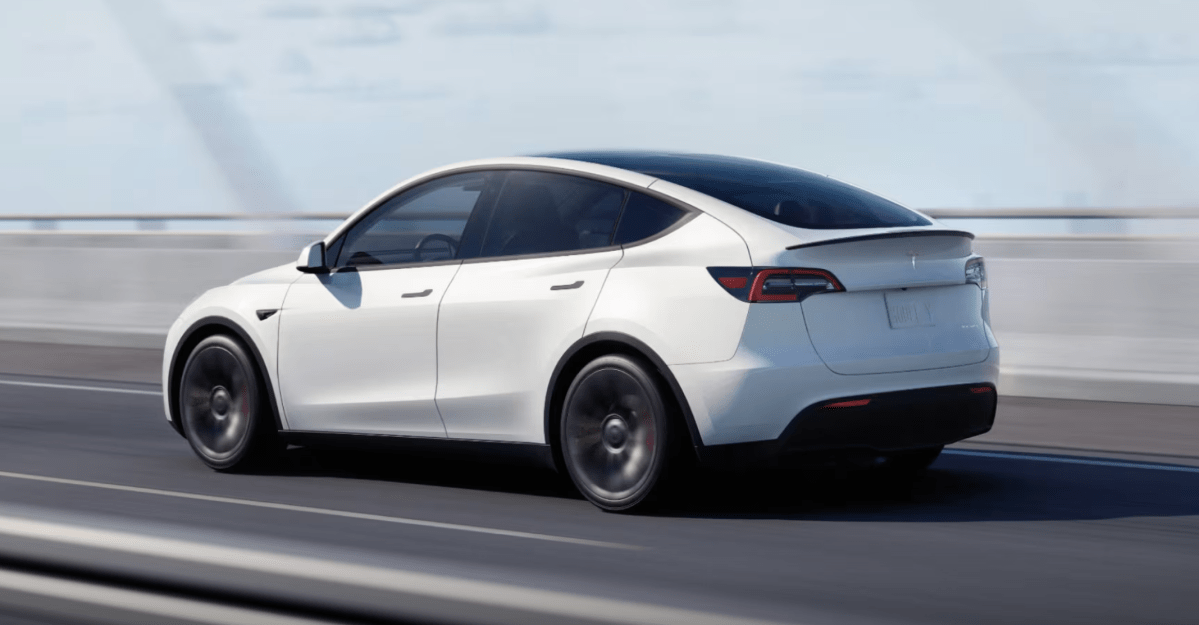
The National Highway Traffic Safety Administration has escalated its scrutiny of Tesla's Full Self-Driving (Supervised) software significantly. Regulators upgraded the probe launched in October 2024 to an engineering analysis, which represents the highest level of examination available for automotive defects. This move signals that officials believe potential safety defects exist within the autonomous system architecture that require immediate attention. The announcement came on Thursday during a routine press briefing regarding recent automotive safety investigations.
The Office of Defects Investigation identified specific failures in low-visibility conditions during the detailed review process of the vehicle software. It is one of two concurrent investigations regarding the autonomous driving system currently active at the federal regulatory agency. The second probe examines over 80 instances of traffic law violations, including events where vehicles ran red lights without stopping. This dual scrutiny highlights the breadth of concerns surrounding the company's driver-assistance technology and its integration into roadways.
Four reported crashes triggered the initial inquiry into the software's performance in adverse weather and lighting conditions. One incident involved the death of a pedestrian in poor visibility settings on a public roadway during nighttime hours. NHTSA data indicates the system failed to detect lead vehicles or camera degradation in these specific scenarios before impact. These failures occurred despite the software operating in a mode that required driver supervision at all times.
Tesla began developing a software update in June 2024 to address these visibility issues before the formal probe opened. However, the agency has not received confirmation on whether that fix has been deployed across the fleet of vehicles. Regulators state they do not know which vehicles received the patch or the timeline for full implementation across the market. This lack of transparency complicates the safety assessment process for the regulatory body overseeing the company.
Officials expressed concern regarding under-reporting of similar crashes due to data labeling limitations reported by the manufacturer. The agency wrote, "The system did not detect common roadway conditions that impaired camera visibility," in its report. Review of responses revealed additional crashes where adequate reaction time was not provided to human operators. Each incident involved a loss of tracking or failure to detect a lead vehicle in the path of the car.
These regulatory actions coincide with Tesla's efforts to launch a robotaxi service in Austin, Texas. The timing raises questions about the readiness of the technology for public deployment without a driver present. Industry observers note the pressure on the company to validate safety claims before expanding operations to other cities. The company has spent months preparing the infrastructure for this specific autonomous service rollout.
An engineering analysis often precedes a formal recall mandate under federal law. This step suggests the regulator believes a significant defect exists within the software architecture that impacts safety standards. It places the burden on Tesla to prove the system meets federal safety standards before proceeding with further updates. Failure to remedy the issues could result in a mandatory recall affecting millions of vehicles globally.
The outcome of this investigation could impact future approvals for autonomous features across the broader industry. Stakeholders will watch for any official recall notices or software patch announcements in the coming months. The situation highlights ongoing challenges in regulating advanced driver-assistance systems effectively. Continued oversight from federal authorities will remain essential for public trust in autonomous technology.
Tesla has not issued a public statement regarding the specific details of the engineering analysis or the timeline for the fix. Market analysts suggest this silence may indicate internal challenges regarding the resolution of the software bugs. Investors will likely monitor the situation closely as it could influence the valuation of the electric vehicle manufacturer. The resolution of this probe remains a key factor in the company's regulatory standing.