Gavriel Cohen announced a partnership with Docker on Friday following a rapid six-week ascent in the open source community. The creator of the project NanoClaw secured the integration after viral attention on Hacker News and social media platforms. This deal marks a significant validation for his security-focused alternative to popular AI agent tools. The collaboration signifies a major shift in how container technology is applied to artificial intelligence tasks.
Cohen developed NanoClaw during a weekend coding binge while building an AI marketing startup with his brother. He posted the project on Hacker News as a secure option after discovering vulnerabilities in the widely used OpenClaw. According to Cohen, he worked almost 48 hours straight without sleep to finalize the initial build. The original startup concept focused on market research and automated blog generation using AI agents.
The motivation stemmed from a critical security incident involving his previous AI agent tool used for sensitive client work. Cohen discovered OpenClaw stored WhatsApp messages in plain text on his local machine without encryption. He also noted the tool bundled hundreds of dependencies, including obscure projects he had not maintained himself. The breach exposed personal data alongside work communications, creating a compliance risk for the startup.
In response, Cohen engineered a lightweight solution using Apple container technology to isolate processes from the host system. He reduced the codebase to 500 lines compared to the 800,000 lines found in the competitor software. This approach allowed users to validate every component of the agent without risking system-wide access. Containers provide a necessary layer of abstraction that prevents unintended data leakage during execution.
Adoption exploded after renowned AI researcher Andrej Karpathy shared the project on X. Cohen reported receiving 22,000 stars on GitHub and 4,600 forks within three weeks of the initial post. Over 50 developers have already contributed to the repository with hundreds of updates queued for release. This rapid growth mirrors the trajectory of other successful open source projects that solved immediate developer pain points.
Engagement with Docker began when Oleg Šelajev, a developer at the company, reached out following the buzz. Šelajev modified the project to replace Apple container tech with Docker Sandboxes for broader compatibility. Cohen accepted the change immediately to align with standard industry infrastructure. This move ensures the tool works seamlessly across different operating systems and cloud environments used by modern businesses.
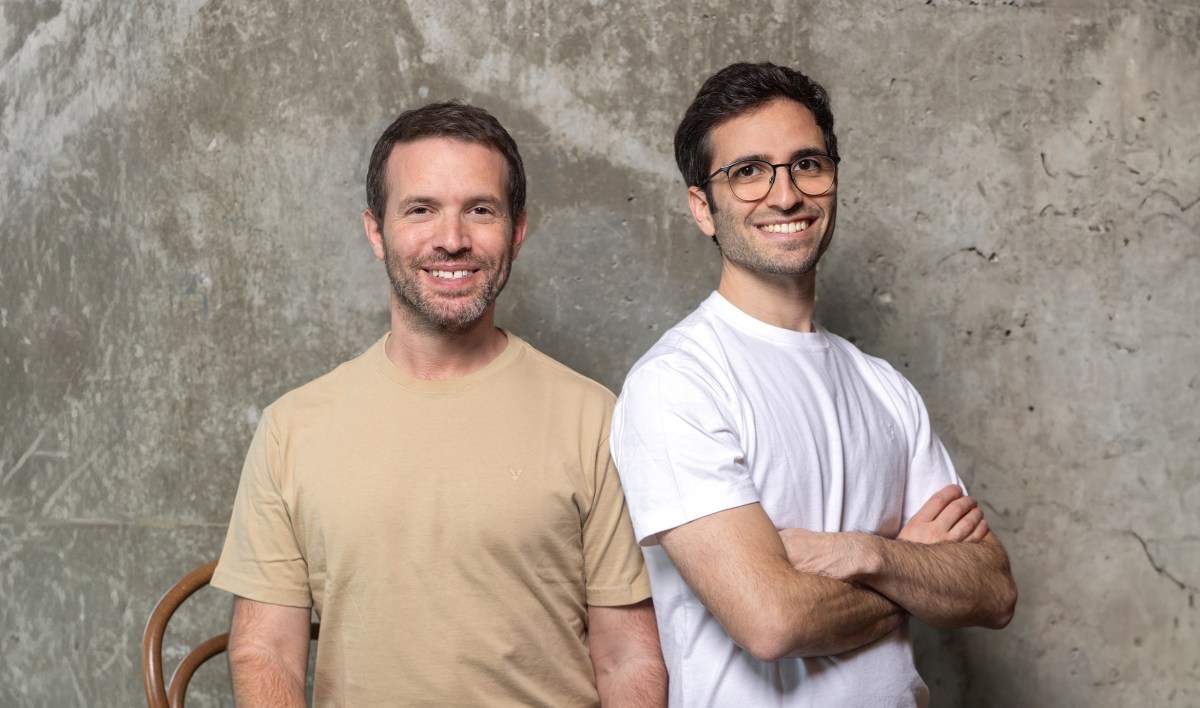
Cohen and his brother Lazer established NanoCo to support the growing community around the tool. Gavriel serves as the technical lead while Lazer acts as CEO and president of the new company. They currently rely on friends-and-family funding while commercial strategies remain in development. The transition from side project to formal business venture required significant organizational restructuring and resource allocation.
The founders vow to keep NanoClaw free and open source despite investor interest from major venture capital firms. The Cohens plan to offer fully supported commercial products and services to enterprise customers in the future. This model allows them to monetize support while maintaining the core code as public domain. Sustainability of the business model will depend on their ability to retain community trust while generating revenue.
This partnership highlights a growing demand for transparent and secure AI agent infrastructure in the enterprise sector. Industry observers will watch how NanoCo balances open source principles with profitability. The integration suggests Docker seeks to strengthen its position in the AI application layer significantly. Future developments in this space will likely prioritize security and transparency as primary differentiators.