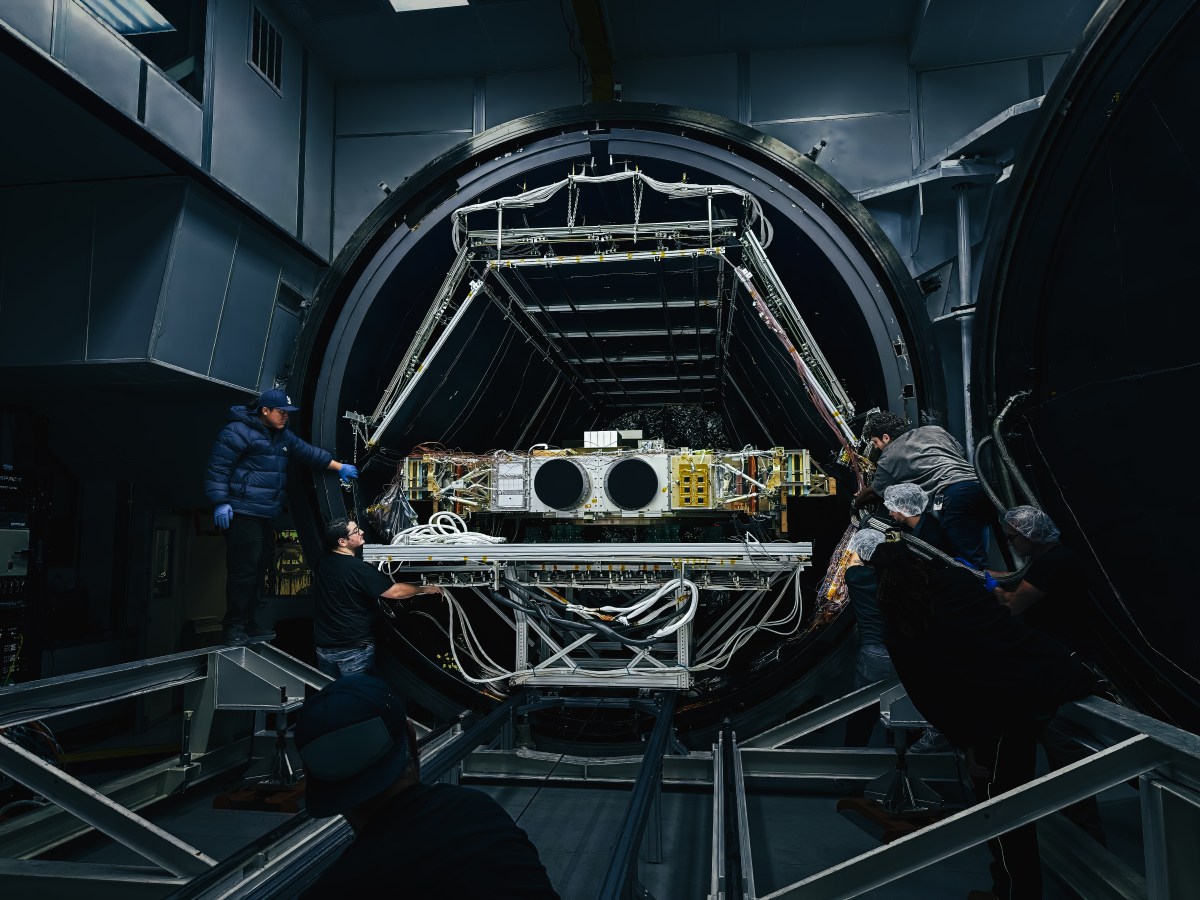
K2 Space prepares to launch its inaugural high-powered satellite, Gravitas, later this month aboard a SpaceX Falcon 9 rocket. The mission aims to demonstrate critical technologies required for future orbital data centers and high-energy payloads. This launch marks the company’s first step into actual space operations since its founding in 2022 by former SpaceX engineers.
Gravitas features a mass of two metric tons and a 40 meter wingspan when solar panels unfold in orbit. The spacecraft generates 20 kW of electricity, a capacity comparable to Elon Musk’s Starlink V3 satellites currently in service. Most current spacecraft produce only a handful of kilowatts, making this power output significant for onboard sensors and computers.
The satellite carries 12 undisclosed payload modules from various customers, including the Department of Defense and private entities. It also hosts a 20 kW electric thruster that the company expects to be the most powerful ever flown in space. These components will test the viability of high-energy systems in the harsh environment of low Earth orbit.
CEO Karan Kunjur outlined a tiered evaluation for the mission success criteria to manage risk during this critical debut. The first tier checks if the spacecraft deploys and generates power, while the second tests payload operation and thruster functionality. A successful third tier involves using the thruster to raise the spacecraft thousands of kilometers into a higher orbit for extended operations.
K2 Space has raised $450 million to fund this vision and achieved a $three billion valuation in December 2025 according to investors. Kunjur noted that 85 percent of the components were designed and built in-house to ensure control over the technology supply chain. The company plans to launch 11 satellites over the next two years in a mix of demonstration and commercial missions.
Growing demand for orbital power supports new business cases for communications networks and advanced data processing capabilities. Higher power enables more throughput and signals less susceptible to jamming for military applications in contested environments. Hyperscalers and the Pentagon are also exploring the potential for orbital compute and missile defense systems requiring massive bandwidth.
Launch costs remain a primary challenge for large satellites like Gravitas despite the technological advancements. Kunjur estimates the current launch cost at roughly 7.2 million dollars per customer on a Falcon 9 rocket for this specific configuration. He argues the 15 million dollar price point for the satellite remains cheaper than high-powered options from traditional contractors.
The team anticipates future cost reductions when SpaceX Starship becomes operational for outside customers in the coming years. Kunjur stated the thinking is to build components needed to be a first mover when Starship and New Glenn are available for everyone. Designs for a 100 kW satellite are already taped out on the factory floor to prepare for this capacity increase.
By 2028, Kunjur expects the company to produce satellites for customers building commercial networks of high-powered space vehicles globally. This strategy positions K2 to capitalize on the shift toward high-energy orbital infrastructure for various industries. The mission will feed data into the next design iteration regardless of immediate anomalies during the test phase.
The broader implication involves establishing a sustainable market for space-based computing and power generation for the next decade. Investors and industry observers will watch closely to see if the iterative journey yields reliable results for commercial adoption. This launch sets the stage for a potential new era of orbital data centers and autonomous space systems.