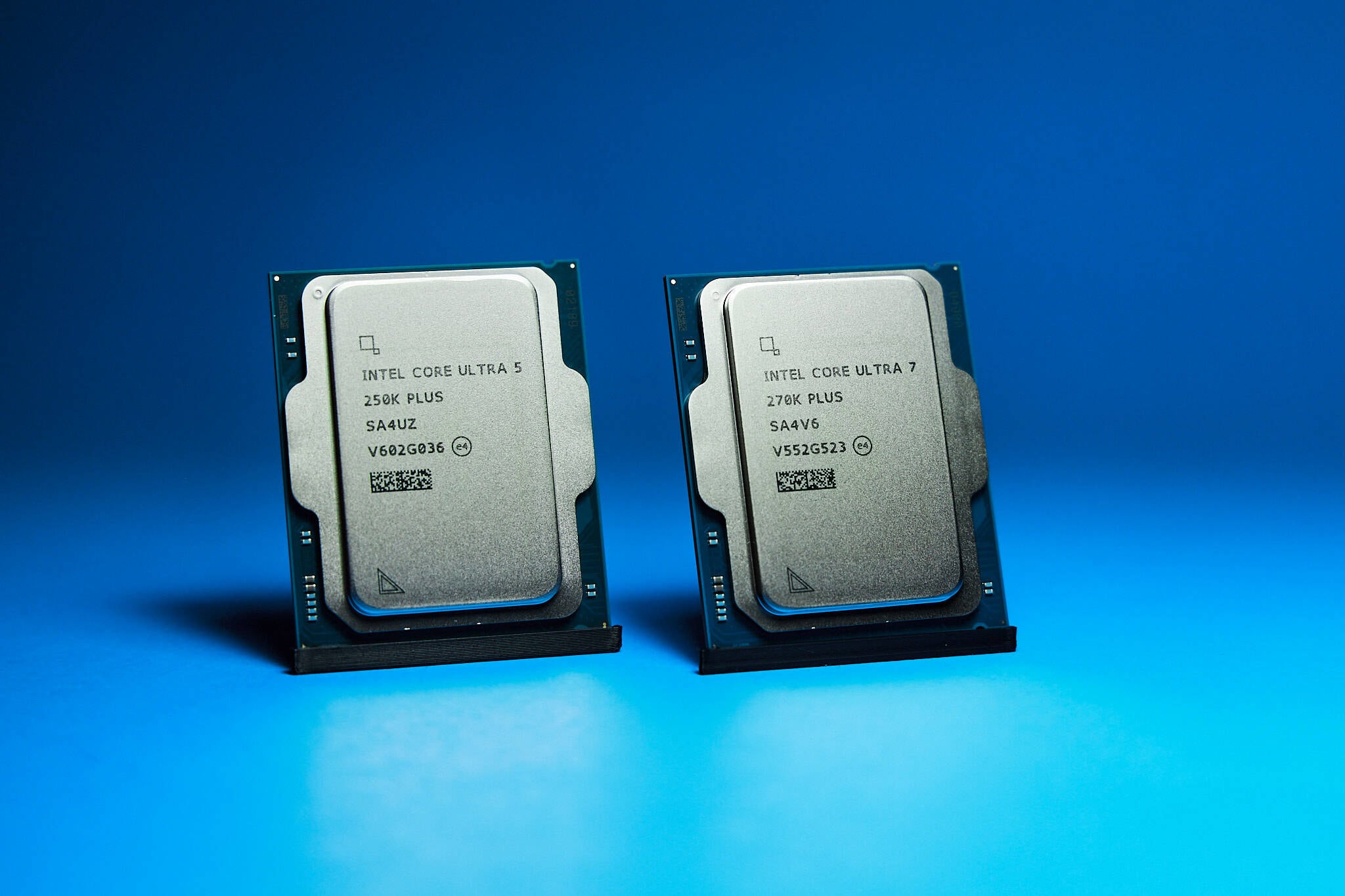
Intel has introduced the Core Ultra 200S Plus family to address rising PC build costs in the current market. These new desktop processors aim to deliver higher core counts at significantly lower prices for consumers. The launch targets enthusiasts who face prohibitive expenses from current memory and storage shortages globally. This move seeks to stabilize the desktop PC market.
The Core Ultra 7 270K Plus lists at $299 while the Core Ultra 5 250K Plus starts at $199. Reviewers note this pricing strategy reflects a shift in market awareness from the manufacturer recently. These figures undercut previous generation models significantly to attract budget-conscious buyers seeking value. The move signals a direct challenge to AMD pricing.
Core counts increased to 24 for the 270K Plus and 18 for the 250K Plus with no simultaneous multithreading support. Efficiency cores received a boost alongside standard performance cores in the refresh cycle to improve throughput. Memory support now reaches 8000 MT/s with XMP profiles for improved throughput and latency. Die-to-die fabric frequency also increased by 900 MHz to reduce communication delays. The architecture remains consistent with previous generations regarding tile design and packaging technology.
Performance gains stem from revised boost algorithms and increased die-to-die fabric frequencies for better efficiency. Sustained loads maintain higher clock speeds compared to prior chips in this generation during heavy work. Intel claims up to 103% multi-threaded advantage over AMD entry-level parts in rendering tasks according to internal data. This helps close the gap with competitors in productivity benchmarks. This efficiency boost is critical for high-load production environments.
Gaming performance remains a mixed bag against AMD X3D architecture in direct benchmarks and tests. The 270K Plus trails cache-stacked rivals in frame rates during intensive gaming titles significantly. However, it competes effectively with standard Ryzen processors at a much lower cost point for builders. This makes it a viable option for mixed-use desktops.
Software enhancements include the Binary Optimization Tool for runtime performance improvements on compatible applications. This utility analyzes binaries to reduce execution overheads without source code changes or reverse engineering efforts. Robert Hallock, VP of Intel's enthusiast channel, explained the technical approach to industry observers. The tool does not alter source code but optimizes instructions per cycle.
Market conditions drive this value-focused release strategy amid component price surges across the technology sector. Memory and storage prices have climbed due to high demand from the artificial intelligence sector globally. Budget enthusiasts face prohibitive costs without these new competitive options available to consumers now. The strategy aims to win goodwill in a tough economy.
Industry observers watch how competitors respond to the aggressive price cut from Intel Corp soon. AMD may need to adjust its own lineup to maintain market share in the desktop space. The refresh sets a new benchmark for value in the current product cycle for enthusiasts. Future generations will likely continue balancing core count against power consumption.