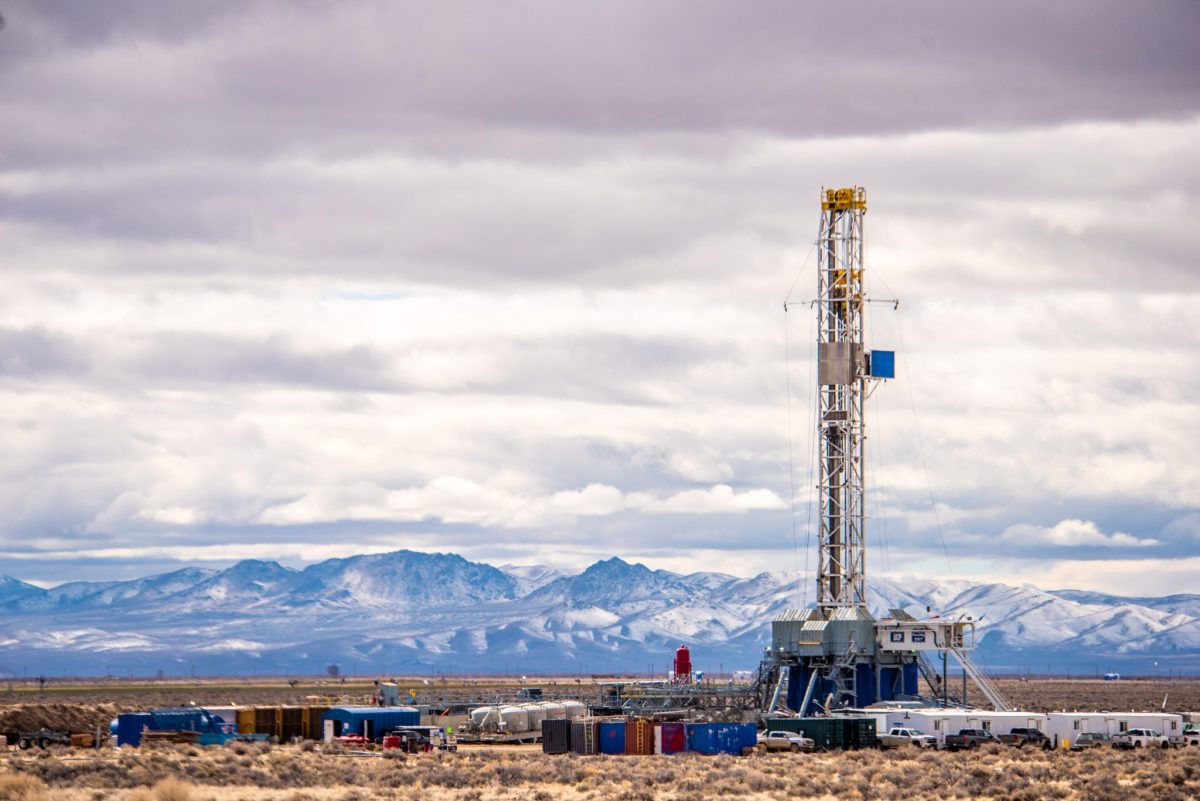
According to a report by TechCrunch, Fervo Energy announced a significant financing milestone today regarding its Cape Station power plant in Utah. The company secured a $421 million loan categorized as non-recourse debt. This move signals a critical transition from early-stage development to scalable commercial operation. The announcement addresses long-standing investor concerns regarding the financial viability of enhanced geothermal systems.
Unlike traditional startup funding, this loan ties liability strictly to the specific project. Default on the payment would affect the facility rather than endangering the parent company. Such financing structures are rare for first-of-a-kind facilities in the energy sector. Fervo Energy confirmed the deal terms while highlighting the reduced risk for lenders.
The Cape Station project will begin operations within the current calendar year. Initial capacity targets reach 100 megawatts by early 2027 before expanding further. Full construction aims for a total output of 500 megawatts upon completion. Buyers have contracted all electricity generated at the site.
Data centers drive the current demand for reliable, baseload electricity sources. This specific energy requirement has created favorable conditions for geothermal developers. Tech companies increasingly seek carbon-free power to meet sustainability commitments. Fervo Energy positioned its technology to meet this growing market need.
A specific measure of success involves whether a startup can raise project finance debt that is not tethered to the startup itself. Many ventures fail to secure the necessary project finance debt to bridge this gap. Fervo Energy reportedly raised debt previously, yet this latest deal differs in structure. Moving past this stage indicates a maturity often missing in early-stage clean energy firms. Industry analysts note this distinction is crucial for long-term viability.
Lenders likely relied on technical data showing 12 wells drilled at the site. This dataset provided confidence despite the facility not being fully developed yet. Fervo Energy pointed out that non-recourse financing typically avoids first-of-a-kind sites. The company managed to secure the deal by demonstrating substantial drilling success.
Investors view this transaction as validation of the enhanced geothermal business model. It suggests that private capital is willing to fund large-scale renewable infrastructure. The deal structure reduces exposure for the startup if project delays occur. This financial stability allows management to focus on execution rather than immediate fundraising.
The broader implications extend beyond a single power plant in the western United States. Successful scaling of this technology could lower costs for renewable energy globally. Industry observers will track whether other geothermal startups can replicate this financing path. The outcome may influence future capital allocation toward deep geothermal resources.
Upcoming milestones include the first grid connection and subsequent capacity expansions. Early 2027 marks a key checkpoint for the 100 megawatts phase. Stakeholders will monitor whether the plant meets performance guarantees under load. Continued success here could unlock further investment for the wider sector.
This development highlights a shifting dynamic in the clean energy investment landscape. Fervo Energy now stands as a potential one leader in utility-scale geothermal power. The company must maintain operational performance to satisfy debt obligations. Future announcements will likely focus on construction progress and power delivery metrics. Stakeholders expect these updates to validate the broader energy transition goals within the region.