Venture capitalists have poured over half a trillion dollars into artificial intelligence startups over the past five years. However, a new analysis suggests the most viable investment opportunity now lies in energy technology rather than software. Power access has emerged as the primary bottleneck for deploying new artificial intelligence data centers globally.
A recent report by Sightline Climate indicates that up to 50% of announced data center projects face potential delays. Researchers found that only five gigawatts of the 190 gigawatts tracked are currently under construction. Approximately 36% of projects in the database experienced timeline slips during 2025.
Major technology corporations are responding by allocating significant balance sheet resources to power generation. Google and Meta have committed to developing solar, wind, and nuclear projects to secure their infrastructure needs. These companies also support emerging storage technologies like Form Energy through direct investments.
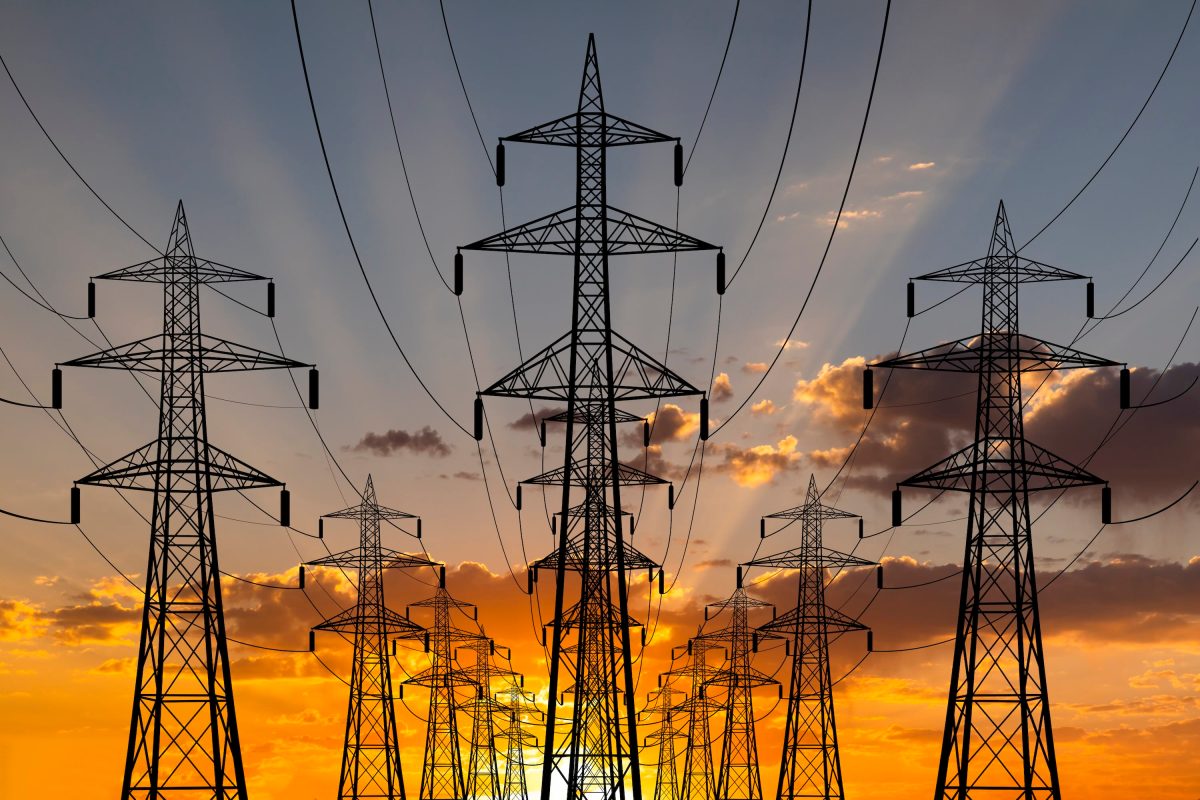
Goldman Sachs projects that artificial intelligence will drive data center power consumption up by 175% by 2030. This supply-demand squeeze creates a unique opening for investors in the energy sector. Utilities and tech firms are collaborating to accelerate the adoption of new grid technologies.
Grid alternatives are becoming increasingly common as shortages drive up electricity prices across the nation. Less than a quarter of identified projects will use on-site or hybrid power, yet they represent 44% of total capacity. Google recently blended wind and solar with a massive 30 gigawatt-hour battery for a Minnesota facility.
Grid-scale batteries are poised to capture a significant portion of the power market this year. The U.S. Energy Information Administration expects nearly 65 gigawatts of battery storage capacity by the end of the year. Form Energy plans to raise a 500 million dollar round ahead of an eventual initial public offering.
Energy supplies are only part of the equation, as power management remains a critical challenge for operators. Most transformers rely on iron and copper technology that is approximately 140 years old. Experts warn that equipment will occupy twice as much space as server racks by the time power density hits one megawatt.
Investors are flocking to solid-state transformer startups hoping silicon-based electronics can replace older methods. These devices are more expensive but flexible enough to replace multiple pieces of equipment in a data center. The scale of investment remains smaller than blockbuster artificial intelligence rounds.
As the world electrifies transportation and heavy industry, the need for power will continue to grow significantly. This trend provides investors with a hedge against a potential artificial intelligence market correction. The best artificial intelligence investment might not be in artificial intelligence at all.
The Trump administration has urged tech companies to build their own power sources or pay higher rates. Most had already made plans to do so before the political pressure intensified. This regulatory environment reinforces the necessity for independent energy solutions.