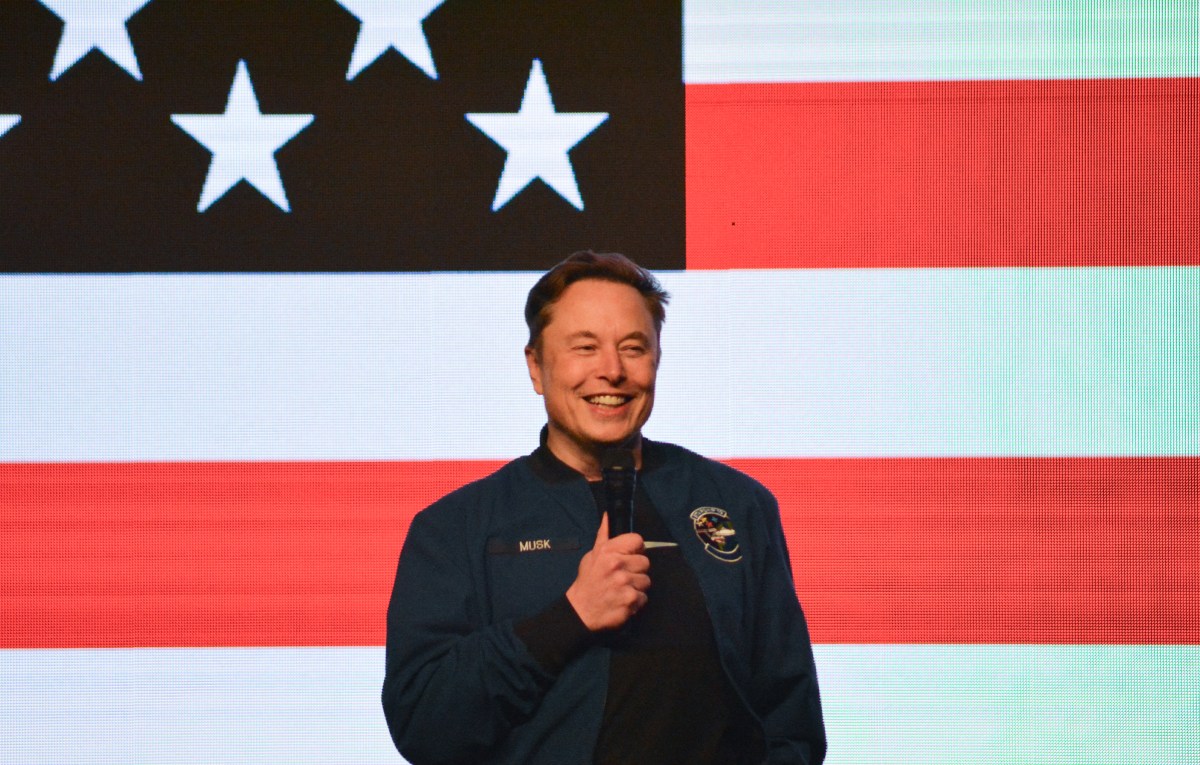
Elon Musk revealed comprehensive plans to construct a custom chip manufacturing facility for Tesla and SpaceX during a presentation in Austin on Saturday night. The proposed facility, named Terafab, aims to address critical semiconductor shortages hindering artificial intelligence and robotics development across both organizations. Musk stated the initiative is necessary because external manufacturers cannot produce chips quickly enough for the accelerating needs of his companies.
According to Bloomberg, the project will be located near Tesla’s existing headquarters and Giga Texas facility in downtown Austin. A photograph shared during the event suggests the site will integrate directly with the current industrial complex to share resources. This proximity allows for significant logistical coordination between the automotive manufacturer and the aerospace company.
Musk explained the urgency of the project by emphasizing the demand for high-performance computing in self-driving cars and robotic systems. He remarked that the company faces a binary choice regarding production capacity, stating he would build the facility if suppliers could not meet demand. This direct quote highlights the frustration with current supply chain limitations and reliance on third parties.
The stated objective involves manufacturing chips capable of supporting 100 to 200 gigawatts of computing power annually on Earth. Additionally, Musk outlined an ambitious target of one terawatt in space, potentially for satellite constellations or deep space missions. These figures dwarf the output of typical commercial semiconductor plants currently in operation worldwide.
Despite the ambitious goals, Musk did not provide a specific timeline for the construction or operational launch of the Terafab. Industry observers note that he lacks a formal background in semiconductor manufacturing, which adds uncertainty to the schedule. Past projects have occasionally faced delays due to similar timelines being set without technical validation from experts.
The semiconductor industry is currently dominated by specialized foundries like TSMC and Intel, which serve multiple global clients simultaneously. Building a private fab requires significant capital investment and access to rare materials that are not easily sourced in the open market. This move represents a significant shift toward vertical integration for consumer technology and aerospace sectors. It challenges the established supply chain models that have defined the electronics industry for decades.
Critics argue that managing chip fabrication while maintaining vehicle production and rocket development stretches resources too thin for either division. However, supporters suggest that controlling the supply chain protects against geopolitical disruptions and export controls on advanced nodes. The decision reflects a broader trend of tech giants seeking autonomy in hardware production to ensure security. Internal competition for engineering talent could become a significant challenge for the combined entity.
Regulatory approval will likely be required for the environmental impact and land use changes associated with a new fabrication plant. Local authorities in Texas must weigh the economic benefits against the potential strain on regional energy grids during peak construction. Construction permits typically take years to secure for large-scale industrial projects in the United States. Environmental groups may raise concerns regarding water usage and waste disposal at the site.
Investors will watch closely to see if Tesla and SpaceX secure the necessary funding to support such a massive undertaking without dilution. The success of the Terafab could influence other companies to pursue similar in-house manufacturing strategies for AI hardware. Market reactions will depend on early announcements regarding equipment procurement and hiring plans for engineers. Financial analysts will scrutinize the balance sheet impact of this new capital expenditure.
This announcement signals a potential restructuring of how high-tech companies approach hardware supply chains in the near future. Whether the facility meets its power targets will determine the long-term viability of Musk’s robotics and space ambitions. The industry will await further updates on technical specifications and partnership agreements with equipment vendors. Success could redefine the boundaries between software and hardware development globally.