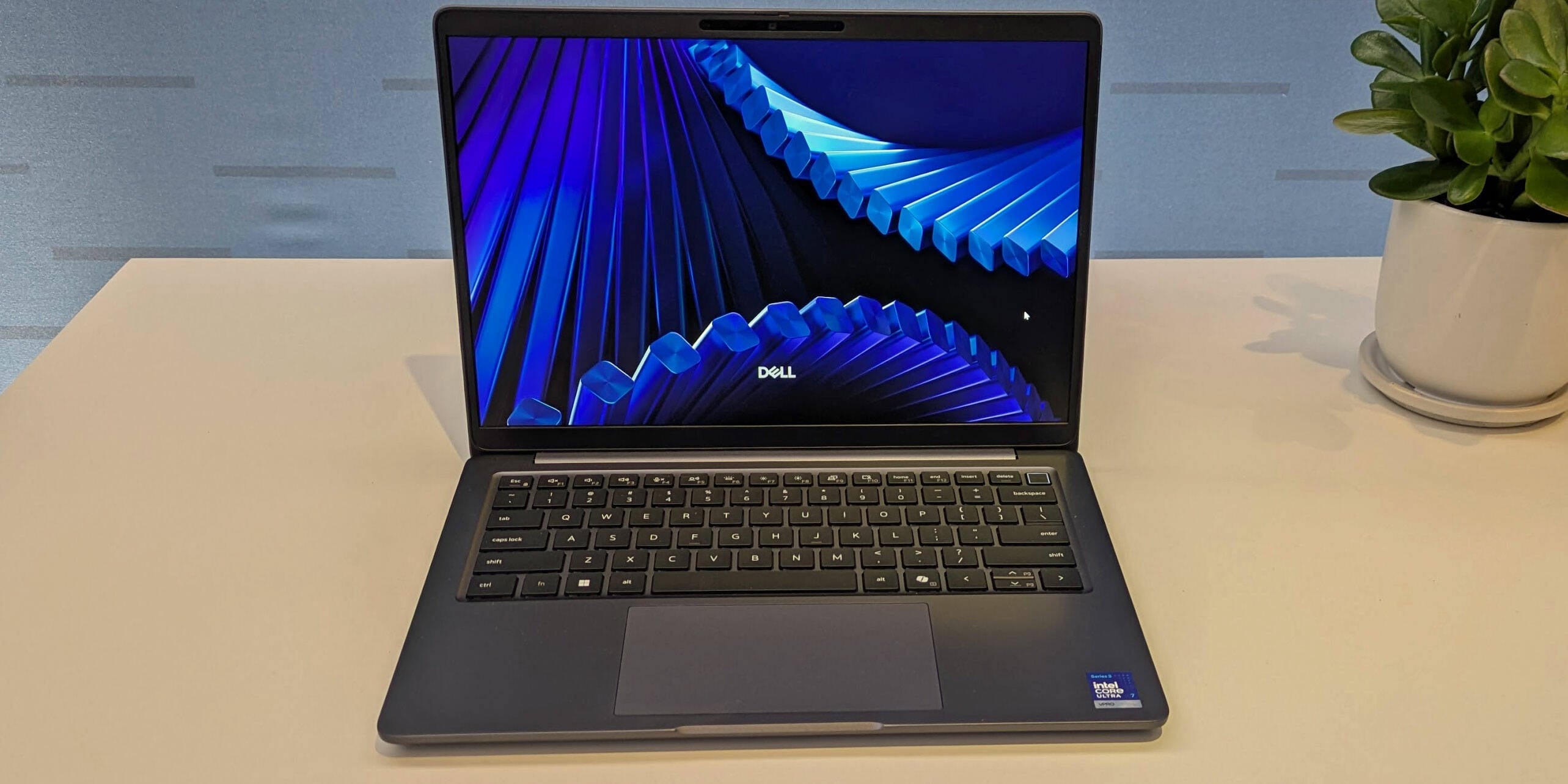
Dell has officially unveiled its 2026 commercial laptop lineup, introducing significant design refinements and a revised naming structure for its Pro series. The upcoming devices feature slimmer chassis, enhanced cooling solutions, and larger batteries designed to support extended mobile workloads. According to The Register, this release aims to address previous confusion regarding model tiers while offering meaningful hardware upgrades over the 2025 generation.
The top-tier Dell Pro 14 Premium adopts an all-magnesium chassis that weighs just 2.54 pounds and measures 0.66 inches thick. This model represents a seven percent reduction in thickness compared to last year's equivalent unit. Internal specifications include Intel Series 3 Core Ultra CPUs paired with up to 64 GB of LPDDR5X memory.
Dell has consolidated its branding to simplify the purchasing decision for enterprise clients across various regions. The Pro 7 series now replaces the previous Pro Plus line and is 18 percent thinner than its predecessor. Available in 13 and 14-inch form factors, the Pro 7 features an all-aluminum build and supports both clamshell and 2-in-1 configurations.
The Dell Pro 5 serves as the workhorse of the collection, balancing price and performance for general business use. This series now utilizes an all-aluminum chassis and offers up to 50 percent better airflow than the previous generation. Dell claims the fans operate 31 percent quieter while maintaining thermal efficiency with Intel or AMD processors.
Entry-level business users will find the new Pro 3 designed to deliver enterprise features at a lower cost point. The 14-inch model represents the lightest version of the series at 2.89 pounds and includes a touchpad 17 percent larger than before. Buyers can select between AMD Ryzen AI 400 or Intel Series 3 Core processors for this segment.
For mobile workstations, the Precision Pro 5 and Precision Pro 7 models offer discrete graphics options up to Nvidia RTX Pro 2000 or RTX Pro 3000 cards. The new Precision Pro 5S 14 and 16-inch models utilize integrated graphics from Intel Arc Pro or AMD Radeon PRO. Dell states these integrated solutions deliver approximately 70 percent of the performance of discrete Nvidia RTX Pro 500 cards for certain tasks.
Security remains a critical factor for enterprise buyers following recent reports of actively exploited vulnerabilities in Dell hardware. Recent disclosures indicate China-linked actors exploited a Dell 0-day since mid-2024 using ghost network interface cards. CISA recently issued a directive requiring federal agencies to patch an actively exploited Dell bug within three days.
The shift toward thinner designs raises questions about repairability and component longevity within the commercial sector. Integrating larger batteries into slimmer profiles without compromising thermals requires significant engineering precision from the manufacturer. This balance reflects the industry trend toward portability without sacrificing power for mobile professionals. Reliability concerns often accompany such aggressive slimming strategies in the enterprise hardware market.
Dell’s updated lineup signals a continued focus on satisfying diverse enterprise requirements through specialized hardware tiers. The clear distinction between Premium, Pro, and Precision lines should streamline procurement processes for IT departments. Competitors will likely need to respond with comparable thin-and-light business devices to maintain market share. This competitive pressure drives innovation across the broader commercial notebook sector.