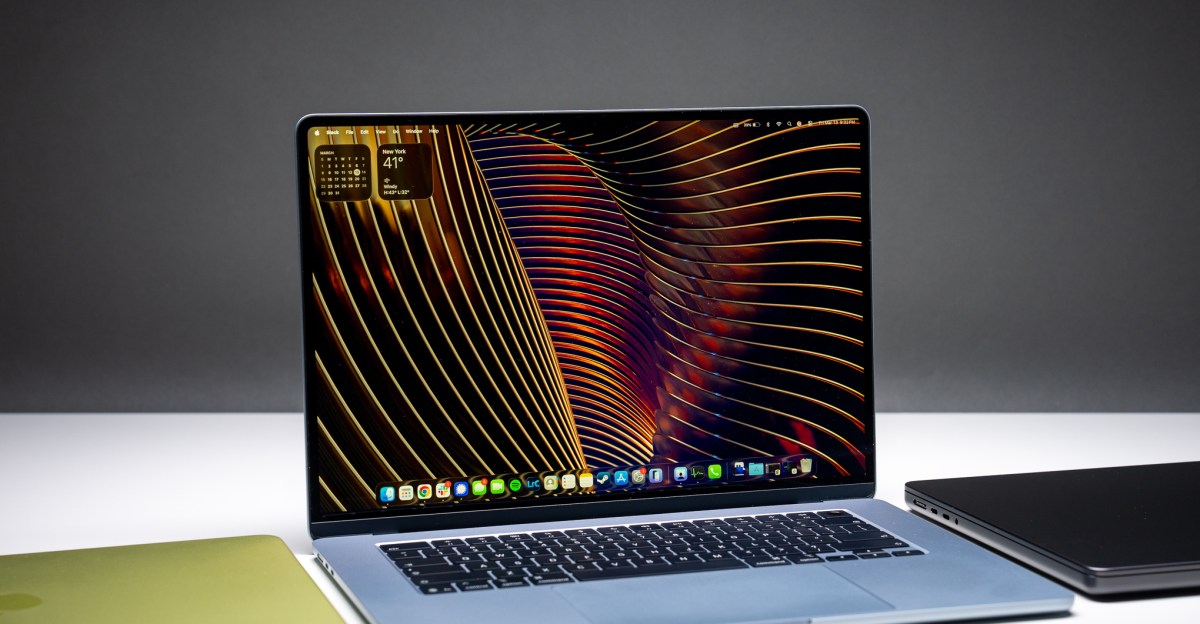
Apple released the 2026 MacBook Air M5 this week, introducing incremental upgrades to its popular laptop lineup for the coming year. The new model features the M5 chip and Wi-Fi 7 connectivity while adjusting storage configurations significantly for modern needs. According to The Verge, the device retains the core identity of previous generations while addressing specific performance needs. This release marks the next phase in the company’s annual refresh cycle for portable computing devices.
Pricing starts at $1,499, representing a $100 increase over the M4 generation despite minor specification changes. Base storage now begins at 512 gigabytes rather than 256 gigabytes, doubling the entry-level capacity for all users immediately. This adjustment aims to futureproof the machine for users handling larger local datasets and heavy multitasking sessions. The extra capacity ensures smoother operation over several years without requiring external drives.
Benchmarks indicate the M5 chip delivers modest improvements over the previous M4 model across various workloads and applications. Multi-core scores in Cinebench tests show roughly a 15% gain in rendering tasks compared to last year. Storage read and write speeds reportedly double compared to the M4 Air, reaching nearly 7,500 megabytes per second. These speeds bring the Air on par with the M5 MacBook Pro in many daily tasks and file transfers. The enhanced SSD performance reduces wait times during large file operations.
The product lineup has shifted with the introduction of the MacBook Neo at $600 for entry-level buyers. This lower-cost option positions the Air as the mid-tier choice between budget devices and high-end Pros. A reviewer noted the Air remains the step-up upgrade for those needing more power than the Neo offers. It fills a specific gap between entry-level and professional models effectively for most users.
Battery life remains a standout feature, lasting 13 to 14 hours during mixed usage tests without external power sources. The 15.3-inch display offers accurate colors suitable for light creative work and professional video editing on the go. Six speakers provide ample volume for a chassis of this thinness, outperforming many competitors in the industry. A reviewer confirmed the webcam quality is the best built-in option around for video calls and meetings. This screen brightness reaches 500 nits for outdoor visibility.
Existing M4 owners have little reason to upgrade immediately unless they require Wi-Fi 7 or faster storage capabilities for specific tasks. Users with M1 or older Macs find the new chip provides a significant leap in longevity and speed. The device promises up to 10 years of support for most workloads, extending its lifecycle significantly for businesses. This stability makes it a sound investment for long-term users planning ahead. The battery life ensures all-day productivity without frequent charging.
This lineup reflects Apple’s strategy to segment the market across three distinct price points for different user types. The Neo targets first-time buyers while the Pro accommodates heavy content creators and professionals. The Air serves as the balanced option for general professionals and students needing portability. This structure ensures the company captures revenue at every customer segment level consistently. Each tier addresses specific performance and budget requirements.
Industry analysts suggest the Air remains a safe choice for the majority of consumers seeking reliability and performance. It avoids the awkward middle-child status by offering a complete feature set without fan noise or heat issues. The company continues to refine its silicon roadmap to maintain performance leadership in the industry globally. Future updates will likely focus on further efficiency gains rather than raw power increases. This strategy prioritizes thermal efficiency and user experience.