Amazon recently invited industry observers to tour its Austin chip lab following a major cloud partnership announcement. AWS CEO Andy Jassy confirmed a 50 billion dollar investment deal with OpenAI that utilizes the facility. This exclusive access highlights the strategic importance of the Trainium processor in the current AI infrastructure market. The tour provided a rare look inside the engineering team responsible for challenging global competitors.
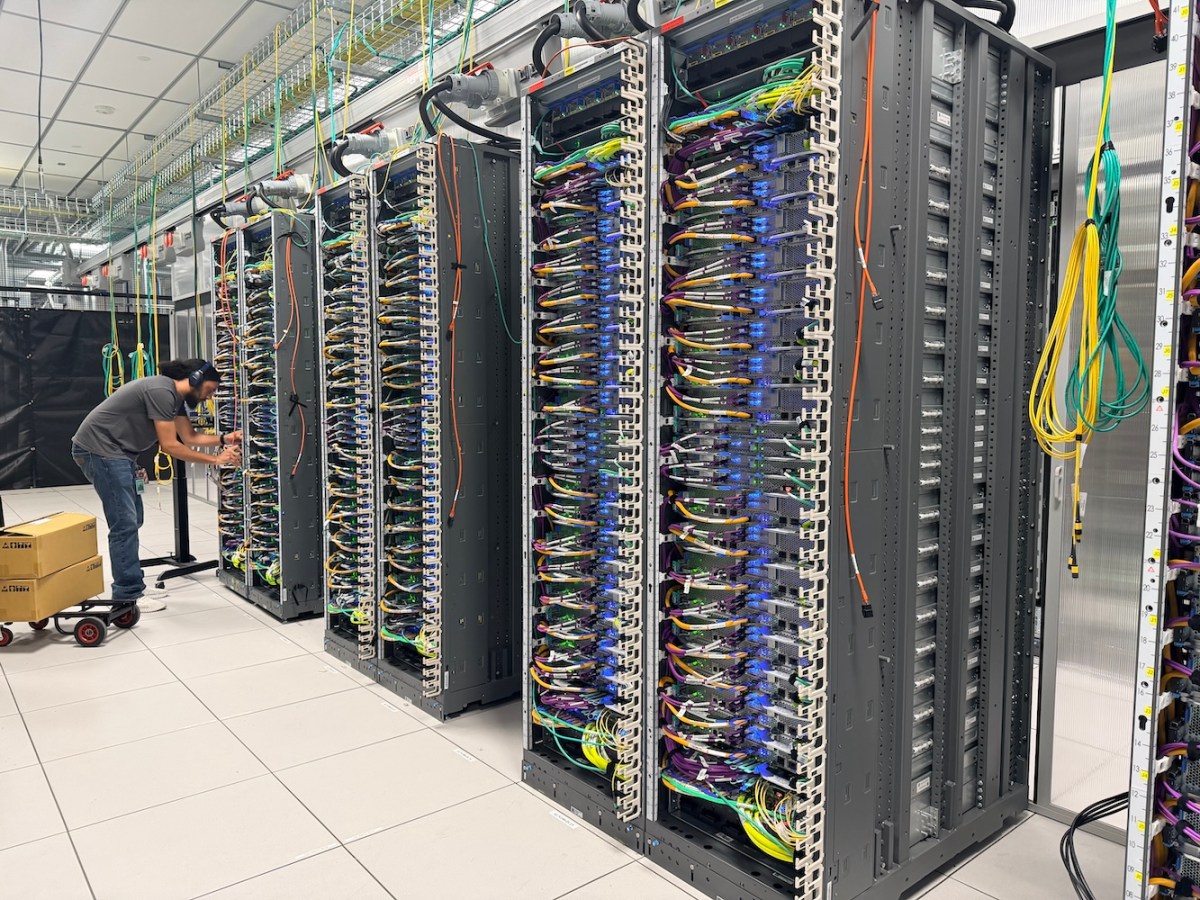
Under the terms of the agreement, Amazon agreed to supply two gigawatts of Trainium computing capacity to the model maker. This commitment is significant given that existing partners like Anthropic already consume chips faster than production lines can fulfill demand. Industry sources state that the facility currently houses 1.4 million Trainium chips across three generations. The scale of this deployment suggests a massive shift in hardware procurement strategies for major AI developers.
Anthropic’s Claude service reportedly runs on over one million of the specific Trainium2 chips deployed at the site. While the architecture originally targeted model training, engineers now prioritize inference for customer applications. This shift addresses the current industry bottleneck where running models consumes the most resources. Data indicates that inference traffic now drives the majority of power consumption in large data centers.
Kristopher King, the lab director, noted that customer demand expands as quickly as capacity can be manufactured. He suggested that the Bedrock service could eventually rival the scale of traditional EC2 compute offerings. The new Trn3 UltraServers claim to cost 50% less than classic cloud servers for comparable performance. This pricing advantage could force other cloud providers to rethink their hardware procurement policies.
The engineering team introduced new Neuron switches alongside the Trainium3 processor released in December. These switches enable a mesh configuration that reduces latency between every chip in the system. Mark Carroll, director of engineering, stated this combination is transformative for price per power metrics. When trillions of tokens are involved, such improvements add up to significant operational savings.
Apple publicly lauded the AWS chip team in 2024 for contributions to its own AI infrastructure. The company specifically mentioned Graviton CPUs and Inferentia chips designed for inference tasks. This rare acknowledgment underscores the growing reliance on third-party custom silicon within major tech firms. It also signals that Amazon’s internal tools have reached a level of maturity recognized by rivals.
Historically, switching from Nvidia hardware required significant re-architecture work that discouraged developers. AWS now supports PyTorch, allowing for a one-line change when migrating models to Trainium. This compatibility effort aims to lower barriers for enterprises adopting alternative hardware solutions. The transition process requires recompiling code before it can run on the new silicon architecture.
The physical lab is located in Austin’s The Domain district within a modern office building. Engineers conduct silicon bring-up in a noisy industrial space equipped with welding stations and testing tools. The team recently demonstrated the ability to modify cooling components on the fly during prototype testing. This hands-on approach allows for rapid iteration even when prototype dimensions do not match specifications.
Some reports suggest Microsoft may believe the exclusivity violates its own agreements with OpenAI. Despite legal uncertainties, the engineering team focuses on projects like Project Rainier which deployed 500,000 chips. Security remains tight at the private data center used for quality and testing purposes. These facilities ensure that proprietary technology does not leak to unauthorized external parties.
The unit has operated for over a decade since acquiring Israeli designer Annapurna Labs in 2015. Engineers are currently designing the next version of the processor known as Trainium4. The broader implication is a potential dent in Nvidia’s near monopoly on AI hardware supply chains. Continued investment in this area will determine if custom silicon can sustain long-term market dominance.