Amazon has officially acquired Rivr, a Zurich-based startup specializing in autonomous robotics capable of climbing stairs. CEO Marko Bjelonic confirmed the deal on March 19, 2026, via a detailed LinkedIn post. This acquisition marks a significant strategic step for the e-commerce giant in automating last-mile delivery operations globally. Amazon intends to reduce its heavy reliance on human drivers for final package delivery scenarios in complex neighborhoods.
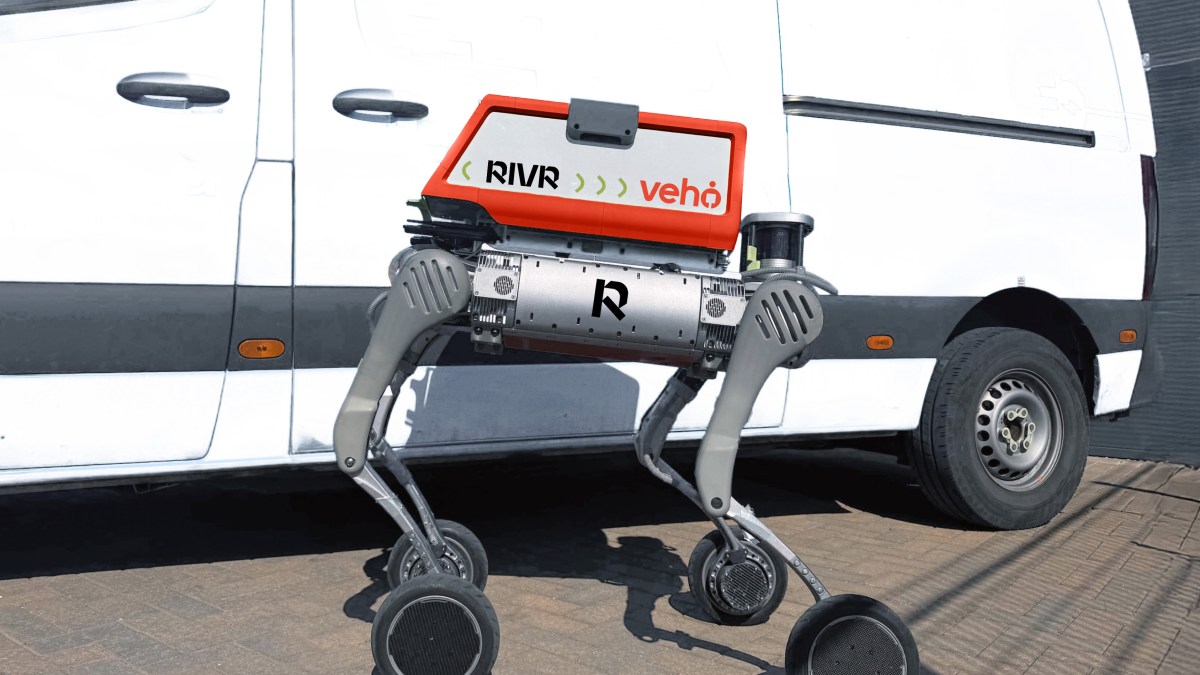
Amazon kept terms of the financial transaction undisclosed according to public records and standard corporate protocol. The Information originally reported the details of the negotiation process before the official announcement reached wider audiences. Rivr has developed a unique quadrupedal robot designed to navigate complex environments without human intervention. This technology addresses a persistent bottleneck in residential delivery logistics that traditional vehicles cannot solve efficiently. Market analysts expect the disclosure of more details as regulatory reviews proceed.
Bjelonic stated that the acquisition will accelerate their vision of building General Physical AI through doorstep delivery mechanisms. He explained that bringing robotics and artificial intelligence closer to real-world deployment at scale is the primary operational goal. Rivr intends to utilize Amazon's vast resources to distribute the robots across more locations much faster than before. This strategy focuses on moving hardware from limited pilot programs into widespread commercial operation immediately.
The startup previously launched a pilot program in Austin last year in partnership with Veho delivery services. Bjelonic expressed hope to learn from the collaboration and scale the fleet to 100 bots by 2026. Reports indicate it remains unclear if the company reached that specific milestone prior to the sale event. TechCrunch contacted Rivr officials for additional comment regarding the pilot outcomes and current status.
Amazon showed interest in the Swiss company long before the recent pilot program concluded successfully. The Amazon Industrial Innovation Fund and Bezos Expeditions invested in Rivr during a seed round. That capital injection totaled 22.2 million dollars and closed in 2024 based on PitchBook data. The relationship began with financial backing before evolving into a full corporate acquisition deal. Investors tracked the funding closely to assess the startup's trajectory.
Industry observers note that Rivr raised a total of 25 million dollars across its funding rounds before this sale. The company held a valuation of 100 million dollars at the time of the transaction. This price point suggests Amazon values the proprietary software and hardware integration highly. Investors likely saw the potential for automation in the competitive delivery market. The deal reflects confidence in the startup's intellectual property.
The acquisition fits a broader trend of technology companies investing heavily in physical automation systems. Competitors in the logistics sector often seek proprietary hardware to gain operational advantages over rivals. Stair-climbing capability specifically solves issues common in apartment buildings and multi-story homes. This functionality allows packages to reach locations trucks cannot access directly. Such innovation is critical for reducing emissions in urban delivery routes. The move could influence competitor strategies significantly.
Marko Bjelonic once described the four-legged wheeled robot as a dog on roller skates. That vivid imagery highlights the unique mobility features distinguishing Rivr from standard delivery vehicles. Such mechanical versatility allows the unit to traverse steps and uneven terrain effectively. This design choice underscores the engineering challenges involved in autonomous physical delivery.
Upcoming steps will likely focus on integrating these robots into Amazon’s existing logistics network. The company must now demonstrate the safety and reliability of autonomous units in public spaces. Regulatory approvals and public trust will play critical roles in the rollout schedule. Success here could redefine how consumers receive packages in urban environments. Market analysts expect further announcements regarding deployment timelines within the next 12 months. This rollout will test the scalability of autonomous delivery systems.