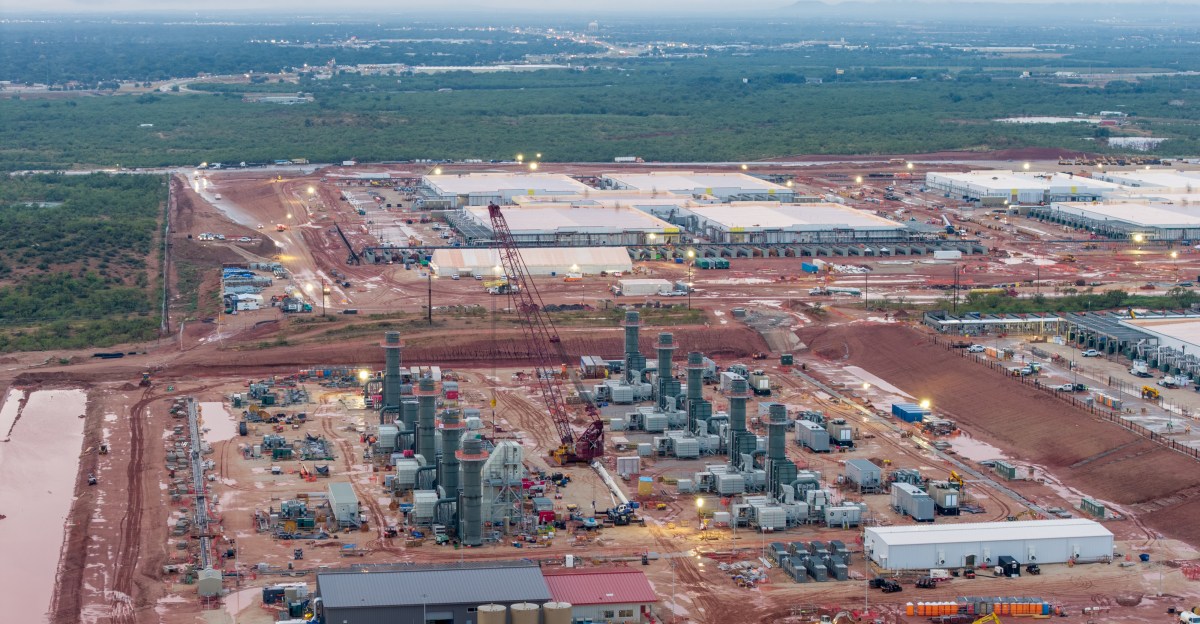
The United States is spearheading a global uptick in the construction of new natural gas power plants, a development directly correlated with the soaring energy demands of artificial intelligence infrastructure. According to a recent analysis from the nonprofit Global Energy Monitor (GEM), gas-fired power generation capacity under development worldwide rose by 31% in 2025. This surge signals a significant reliance on fossil fuels to power the next era of computational processing.
Nearly one quarter of this newly planned capacity is slated for deployment within the US, positioning the nation ahead of China for the largest country-specific increase in gas power. GEM reports that more than one third of this projected US growth is specifically earmarked to service data centers. This correlation highlights the immediate, tangible energy drain imposed by large-scale AI model training and deployment.
Generative AI requires increasingly powerful hardware, leading energy analysts to forecast dramatically escalating electricity consumption across the sector. While the long-term integration of AI into daily life remains uncertain, the current rush to build dedicated gas plants risks creating stranded assets if demand forecasts prove overly optimistic. Jenny Martos, GEM project manager, noted the risk of locking in future emissions based on current projections.
If all proposed projects materialize, 2026 is positioned to be a record-setting year for new gas capacity additions, potentially exceeding the previous peak set during the shale gas boom of 2002. Although natural gas burns cleaner than coal and is currently cost-competitive, its production releases methane, a greenhouse gas considerably more potent than carbon dioxide in the short term.
This expansion represents a notable deviation from international climate objectives established under the Paris Agreement, which necessitates phasing out fossil fuels for renewable sources to achieve net-zero emissions by mid-century. The US, being both the world's foremost gas producer and a hub for data center operations, nearly tripled its planned gas-fired capacity additions last year, according to the GEM report.
Further complicating decarbonization efforts, recent US policy has actively promoted fossil fuel infrastructure to support data center buildout, counteracting prior downward trends in overall national greenhouse gas emissions. The immediate operational requirements of advanced AI are currently prioritizing energy availability over climate transition timelines.