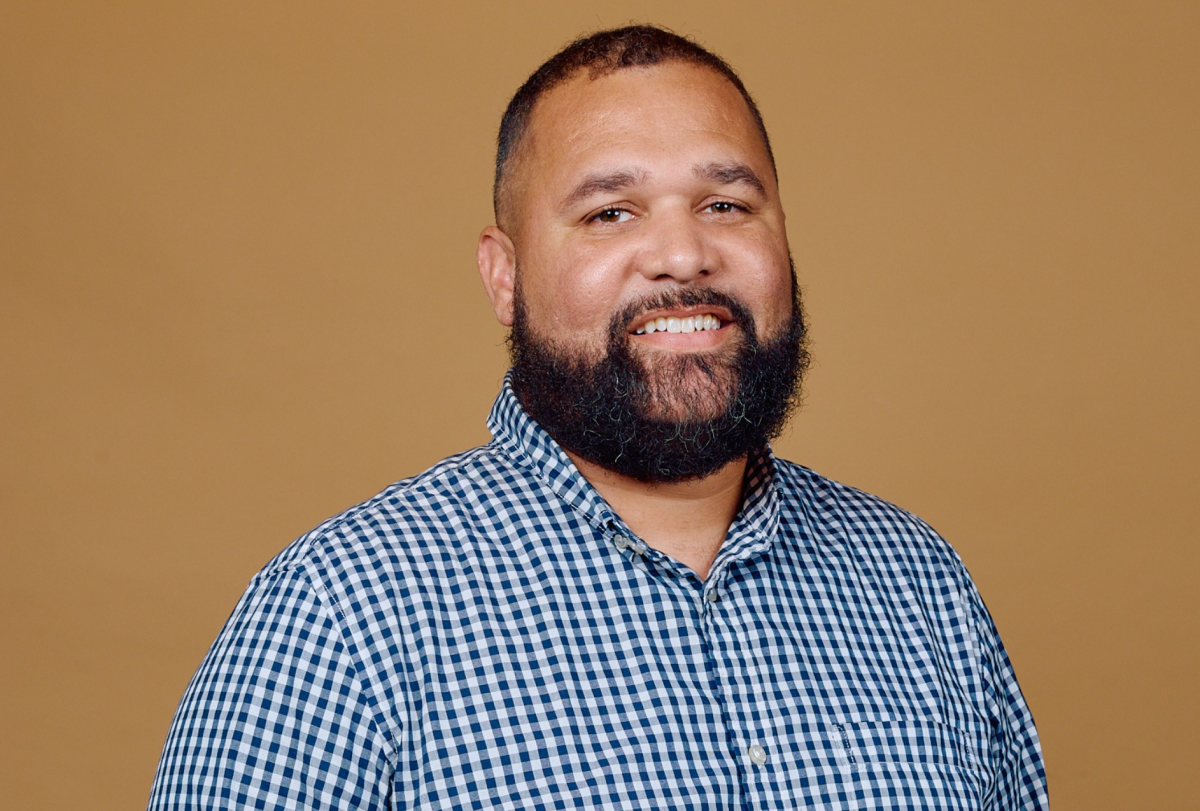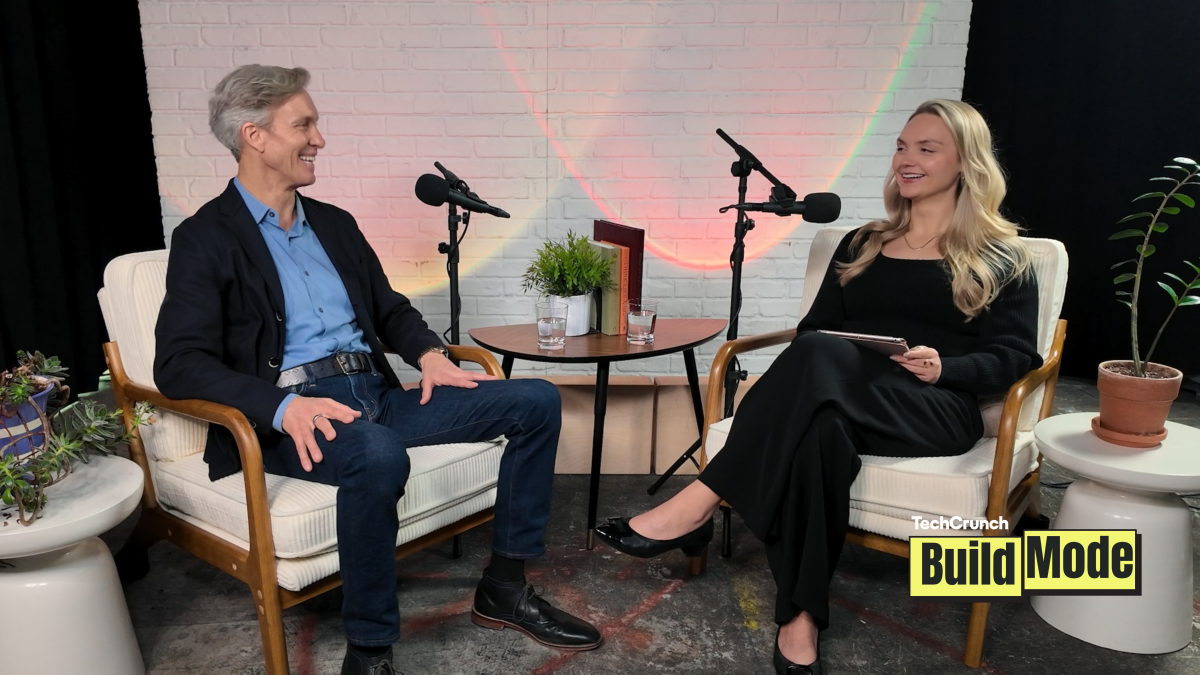
In a recent episode of the Build Mode podcast, strategic adviser Ian Schmidt outlined specific methods for founders to navigate interpersonal conflict effectively. Published on March 19, 2026, the discussion highlights how leadership teams must treat human dynamics with the same strategic rigor as product development cycles. Schmidt argues that unresolved friction within founding teams often derails growth potential before significant market traction occurs in emerging sectors.
Schmidt serves as a strategic adviser at Trimergence, a consultancy dedicated to coaching leaders to become more effective from the inside out. He proposes that businesses operate on a human operating system that requires an upgrade process over time, similar to software patches. Leaders must map their thinking patterns and management styles to identify friction points before they escalate into public disputes.
The first step of his framework involves pausing to conduct an internal 360 degree review immediately after a conflict arises. Founders must take a second to self-audit their reactions, name what happened, and imagine how it may have impacted their colleagues negatively. Rushing to a solution often masks the underlying emotional damage that requires immediate attention and acknowledgment.
This reflection phase connects the specific incident to a broader behavioral pattern that exists within the leader. Schmidt suggests asking how the situation relates to something known about oneself or feedback received in previous years. Understanding the root cause prevents the same unproductive fighting from recurring in subsequent high-stakes negotiations.
After personal reflection, the framework requires leaders to go to team members who were impacted by the outburst. In this conversation, it is most helpful to state what you think happened and explicitly own your part in the disruption. Asking others how it landed for them invites feedback that leads to a necessary recalibration of team dynamics.
Company culture is built on real reactions and interactions, not the values posted on the office wall. If team members see co-founders falling into unproductive fighting, that does not set a respectful or growth-minded tone for the organization. Repairing this dynamic is possible when leaders commit to learning how to navigate conflict in a healthy way consistently.
Founders can create these frameworks for working through conflict when the team is just two or three people. If done correctly, these systems can scale with the company as it grows into a larger enterprise structure. Early adoption of these protocols prevents toxic culture from becoming entrenched during rapid scaling phases.
That openness and ownership will lead to more trust on the team and more constructive conflict down the line. Trust functions as a currency in high-pressure environments where decision-making speed is critical for survival. Teams that master conflict resolution often outperform peers who avoid difficult conversations to maintain surface-level harmony.
Listeners can access the full episode of Build Mode for more tactical advice for building their team. The podcast is produced and edited by Maggie Nye, with host Isabelle Johannessen leading the conversation. Audience Development is led by Morgan Little within the TechCrunch ecosystem.
The broader implication suggests that founder wellness is becoming a critical metric for venture capital evaluation. Investors are increasingly scrutinizing the interpersonal health of founding teams during due diligence processes. This shift marks a departure from the old model where personal friction was considered a secondary concern to product milestones.