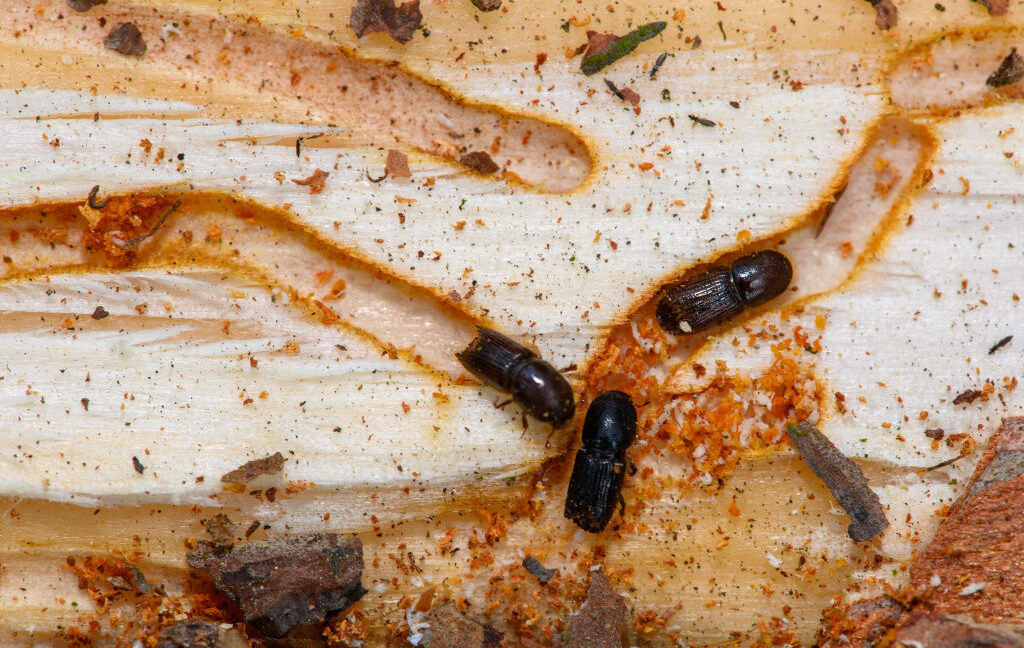
Researchers at the Max Planck Institute for Chemical Ecology in Jena, Germany, have identified a biological mechanism to combat destructive bark beetle populations using a specific fungus. Led by biochemist Ruo Sun, the team detailed how certain strains of the entomopathogenic fungus Beauveria bassiana can infect and kill Eurasian spruce bark beetles (Ips typographus). This investigation addresses the growing threat these pests pose to temperate forests, particularly as infestations have recently expanded due to shifting climate patterns.
Bark beetles ingest phenolic compounds from spruce bark, which function as natural antioxidants and antimicrobials protecting the trees. The beetles further enhance these defenses by metabolizing the compounds into substances that are significantly more toxic to fungal invaders. This metabolic process historically rendered the pests effectively immune to fungal pathogens, presenting a significant obstacle for biological control agents.
However, the research team demonstrated that specific strains of B. bassiana possess the capability to circumvent these acquired dietary defenses. As Dr. Sun stated in the PNAS study, while insect herbivores frequently accumulate plant defense metabolites, these fungal pathogens can still successfully cause disease. This finding challenges the assumption that specialized insect metabolism creates impenetrable chemical barriers against natural enemies.
Norway spruce trees (Picea abies), a primary food source for these beetles, produce secondary metabolites like stilbenes and flavonoids. These compounds are naturally antifungal and antibacterial, but the beetles modify them by cleaving attached sugars through hydrolysis. This process yields aglycones, which exhibit heightened toxicity against microscopic threats.
Despite the beetles' sophisticated chemical engineering, the documented wild presence of B. bassiana killing these pests hinted at a viable countermeasure. The scientists focused their efforts on understanding which fungal strains could overcome the beetles’ boosted toxicity mechanisms.
This development holds considerable relevance for integrated pest management strategies in forestry. Traditional reliance on broad-spectrum chemical insecticides carries ecological risks, making targeted, biologically derived controls increasingly valuable as forest health faces climate-related stressors.
The successful identification of these effective fungal strains opens avenues for developing novel, spore-based treatments specifically tailored for bark beetle control. Future work will likely focus on optimizing the application and efficacy of B. bassiana in field conditions to manage these escalating ecological disturbances.