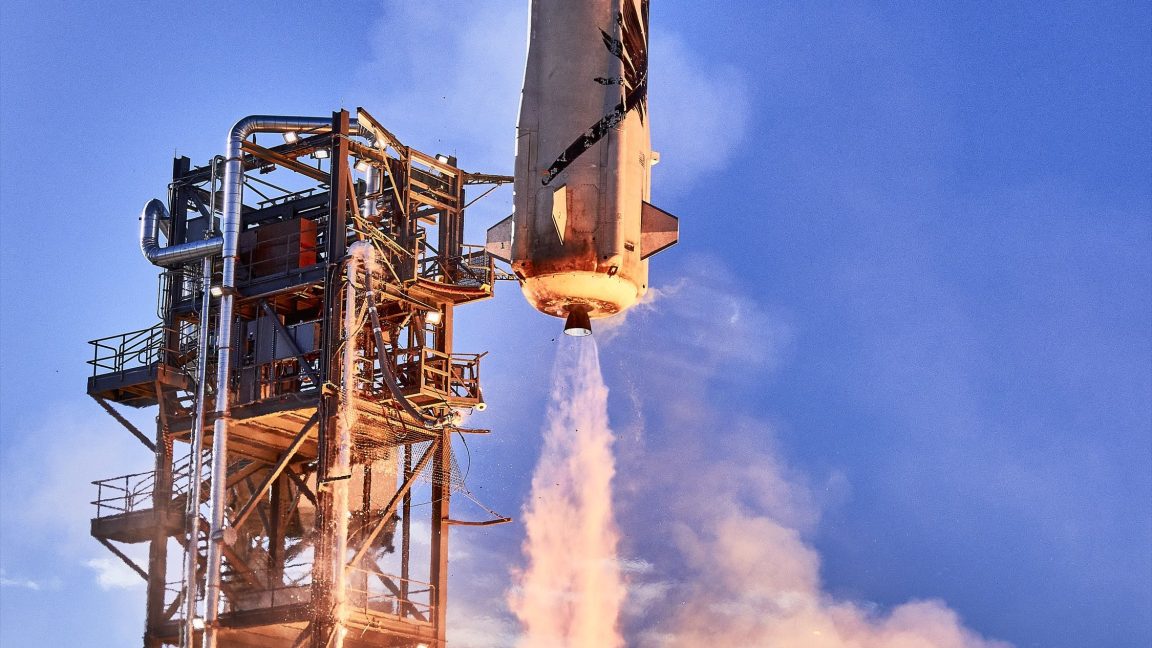
Blue Origin has suspended operations for its New Shepard suborbital rocket system for the next two years, a move widely interpreted as the permanent conclusion of its space tourism effort, according to reports Friday. The New Shepard program, which began flying in April 2015, logged 38 launches and carried 98 individuals briefly into microgravity.
Company CEO Dave Limp confirmed the redirection of personnel and capital in an internal communication, stating the focus shifts to accelerating human lunar capabilities, specifically mentioning the development of the New Glenn rocket. This strategic pivot prioritizes Blue Origin’s larger ambition of contributing to a sustained human presence on the Moon.
This announcement surprised some within the organization, as Blue Origin executed its most recent crewed flight only eight days prior to the directive. Furthermore, the company reportedly has four new boosters and two new capsules in active stages of manufacturing and development.
While tickets for the suborbital flights commanded a price near $1 million per seat, the program has long faced scrutiny regarding its financial sustainability. Sources previously indicated that while the program neared breakeven status, it constituted a significant drain on overall corporate resources.
Over 500 employees devote some or all of their time to the New Shepard effort, resources that the company now seeks to reallocate. Blue Origin’s long-term vision centers on constructing off-world settlements and relocating industrial activity into orbit.
Ending the suborbital program frees up engineering talent and capital to concentrate on orbital-class hardware and deep space objectives. This reassessment underscores the significant capital requirements necessary to compete in heavy-lift launch systems like New Glenn.
This strategic shift aligns Blue Origin’s immediate activity more closely with national goals for lunar return and permanent exploration infrastructure. The company seeks to solidify its role in the Artemis generation of space exploration, demanding singular focus on its orbital assets.