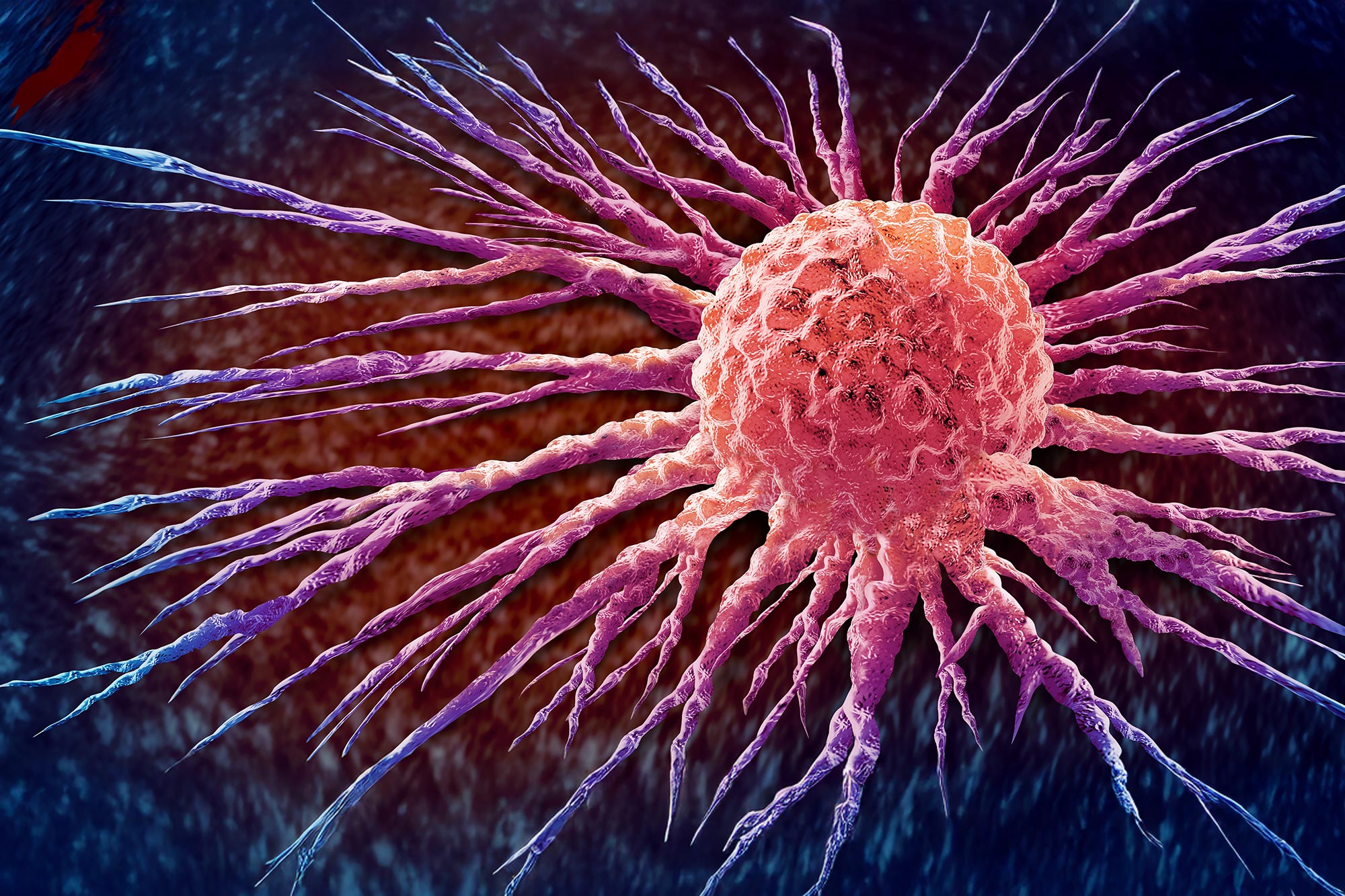
Scientists at Umeå University announced the discovery of an unexpected anti-cancer mechanism utilizing a natural bacterial molecule to inhibit colorectal tumor progression. The research, detailed in the journal Cell Death & Disease, focuses on MakA, a cytotoxin secreted by Vibrio cholerae, the bacterium responsible for cholera.
This purified compound demonstrated a marked reduction in tumor growth during mouse experiments when administered systemically. Crucially, the toxin appeared to localize its activity within the tumor mass, modulating the local immune response instead of inducing widespread inflammation, according to the research team.
Lead author Professor Sun Nyunt Wai stated that the substance not only appears to kill cancer cells directly but also reshapes the tumor environment to aid the immune system against the malignancy. Colorectal cancer remains a significant global health burden, prompting urgent interest in treatments offering greater precision than conventional surgery or chemotherapy.
The mechanism involves MakA accumulating specifically in tumor tissue, leading to increased tumor cell death and reduced proliferation capacity. Simultaneously, the toxin altered the tumor microenvironment by increasing innate immune cells such as macrophages and neutrophils, thereby supporting tumor inhibition.
Safety assessments in the mouse models yielded encouraging results, showing no adverse effects on body weight, general health, or vital organ function even with repeated dosing. This suggests a highly localized action, stimulating immune mediators that promote cell death while maintaining regulatory mechanisms that protect surrounding healthy tissue.
Saskia Erttmann, another lead author, noted that these results present an interesting pathway for developing therapies that utilize bacterial creations to both eliminate cancer cells and bolster the body's intrinsic defenses. Further preclinical investigation is necessary to fully validate MakA's anti-cancer potential across different models and assess its eventual clinical viability.
These findings underscore a growing trend in biotechnology where molecules originally associated with pathogenesis are being repurposed as precise therapeutic agents. The ability to selectively target the tumor microenvironment without systemic toxicity represents a significant technical objective in oncology research.