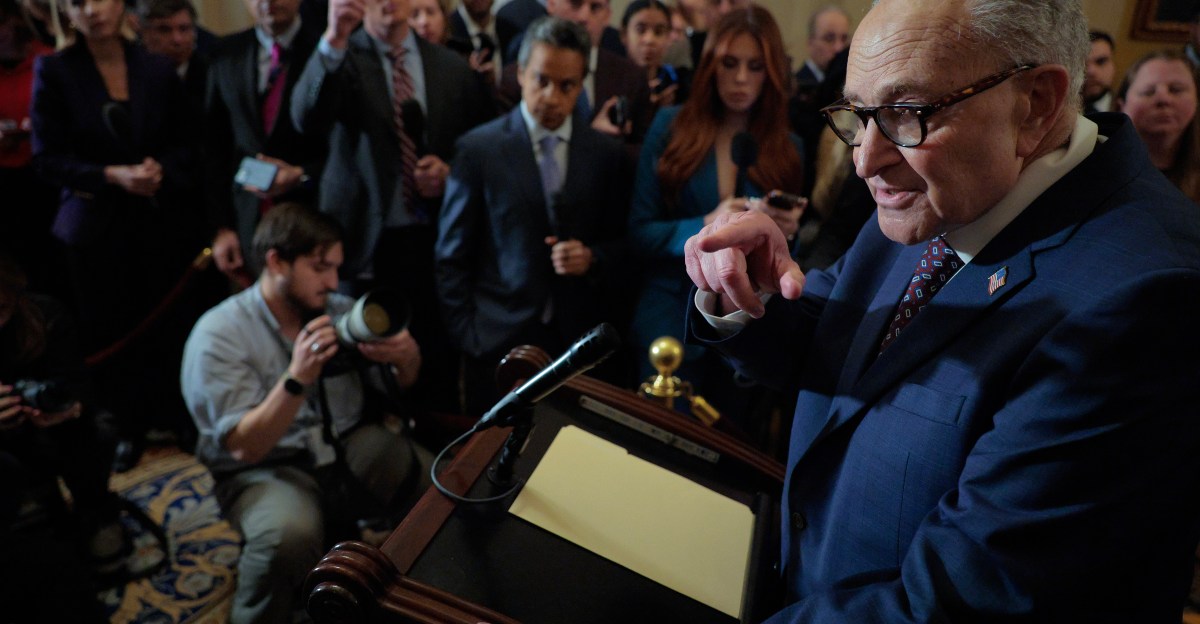
The US Senate voted seventy-one to twenty-nine on Friday evening to pass a stopgap federal budget that funds all agencies except the Department of Homeland Security (DHS). DHS received a two-week funding extension to allow for further negotiation regarding new guardrails for Immigrations and Customs Enforcement (ICE) operations. This action narrowly averts an immediate lapse in operations for the department.
Despite passing the Senate, DHS funding remains temporarily paused over the weekend because the House of Representatives must reconvene on Monday to approve the stopgap legislation. The agreement followed intense negotiations between the unified Senate Democratic caucus, Republican counterparts, and the White House. This outcome represents a significant policy pivot from earlier expectations.
Earlier, the DHS funding bill was anticipated to pass with minimal Democratic support, despite ongoing opposition to ICE funding levels. However, following a fatal incident involving federal agents during a Minneapolis protest, Senate Democrats unanimously announced they would block funding without substantive ICE reforms. This unified front compelled the administration to engage in talks to avoid a second government shutdown within the year, according to reports.
Political calculations appeared to favor the Democrats in this standoff, as internal polling suggested voter support for forcing a partial shutdown over ICE reforms. A survey commissioned by the Democrat-aligned Senate Majority PAC indicated that a majority of voters would assign blame to Republicans should the government remain closed. This data provided political cover for the caucus’s strong stance.
This temporary funding extension pushes the critical deadline for comprehensive DHS appropriations to the immediate future. Analysts suggest the administration yielded ground due to the unified opposition and unfavorable public sentiment regarding the agency's enforcement actions.
For technology policy watchers, these budgetary maneuvers highlight the ongoing intersection of government operations and emerging regulatory scrutiny surrounding federal data collection and enforcement technologies used by agencies like ICE.
The focus now shifts entirely to the coming two weeks, where negotiators must finalize language acceptable to both parties concerning ICE’s operational parameters. Failure to secure a resolution will revert the funding situation to a critical impasse.