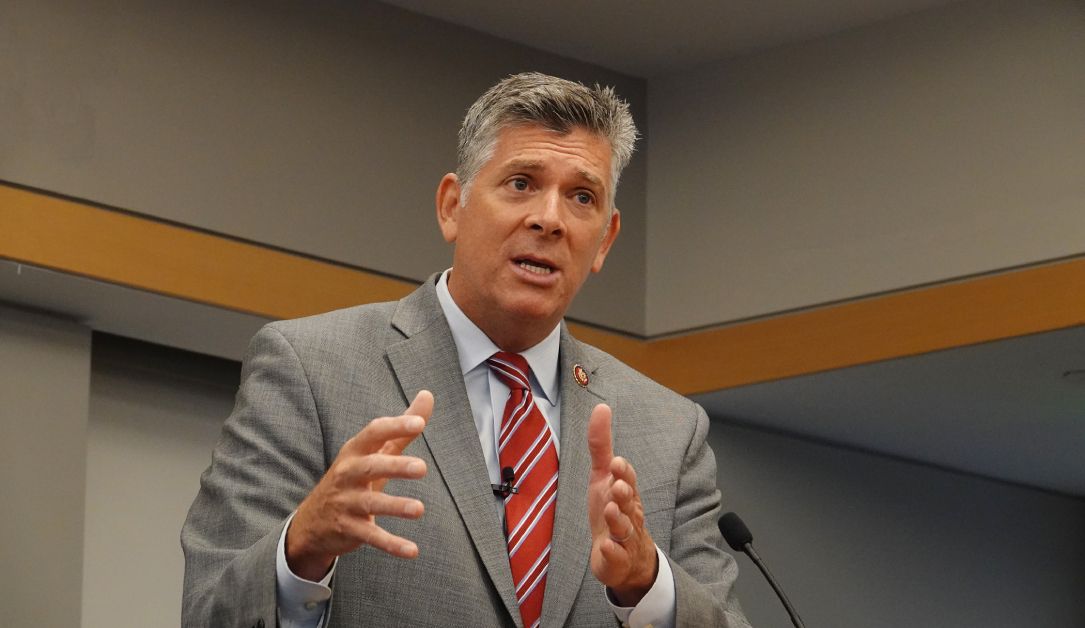
Next week stands as a pivotal moment for extending a major federal surveillance program that has faced months of inaction. Section 702 of the Foreign Intelligence Surveillance Act will sunset on April 20 without specific congressional action. Representative Darin LaHood stated that achieving renewal requires significant political pressure from the White House to succeed. He conducted the interview with Recorded Future News following the public portion of the hearing.
LaHood, chair of the Intelligence panel’s NSA subcommittee, advocated for an 18-month clean reauthorization during a House Intelligence Committee hearing. This plan aligns with President Donald Trump’s directive to avoid imposing new warrant requirements on intelligence collection activities. Lawmakers pushed the vote on renewing FISA to the week of April 14 since this interview was initially published.
The Representative emphasized that the authority remains indispensable to national security across multiple critical domains for the nation. He cited specific successes including the recovery of hostages in Israel and complex operations in Venezuela. Troop protection in Iran through Operation Epic Fury also relied heavily on this surveillance capability for real-time intelligence.
LaHood highlighted reforms implemented through the Reforming Intelligence and Securing America Act two years ago. He noted that the number of FBI personnel authorized to query U.S. citizens dropped from 7,500 to 3,500 significantly. Criminal liability for unlawful queries has also changed under the new framework to ensure accountability for agents. He believes the 56 reforms have been properly implemented and are working to hold the FBI accountable.
Recent data showed FBI searches of the Section 702 database rose by approximately 35% compared to the previous year. LaHood attributed some increases to technical mistakes and an expanded focus on fentanyl cartels and drug precursors. Officials from the NSA and FBI provided explanations that satisfied the committee chair regarding the recent spike in activity.
Passing the renewal will require the President to weigh in publicly on the specific legislative language and timing. LaHood indicated that Republican colleagues must listen to the commander-in-chief to secure necessary support from the party. He admitted that some members who previously opposed the measure need to be persuaded to vote yes on the floor.
The absence of a warrant requirement distinguishes this proposal from previous debates over privacy rights and civil liberties. LaHood argued that adding such a requirement would compromise intelligence gathering efficiency for foreign targets abroad. He prefers a 10-year extension but accepted the 18-month interim decision made by the administration for stability.
Failure to pass the legislation would leave the program without legal authority in less than 30 days of inaction. The House Speaker Mike Johnson plans to bring the measure to the floor next week for a final vote on the renewal. LaHood expressed confidence that the necessary political muscle will result in passage by the statutory deadline.
This renewal process reflects broader tensions between intelligence capabilities and civil liberties protections within the government. Intelligence officials continue to defend the necessity of warrantless collection for foreign targets located outside the United States. Congressional oversight remains a central component of the ongoing debate regarding surveillance powers and privacy.
Observers will watch for the President’s public statements to gauge the likelihood of legislative success in Congress. The outcome of this vote could shape intelligence gathering protocols for the next decade of national security operations. Continued implementation of reforms will be critical for long-term trust in the intelligence system and public confidence. LaHood noted there has not been a public statement from the president on Truth Social regarding the measure yet.