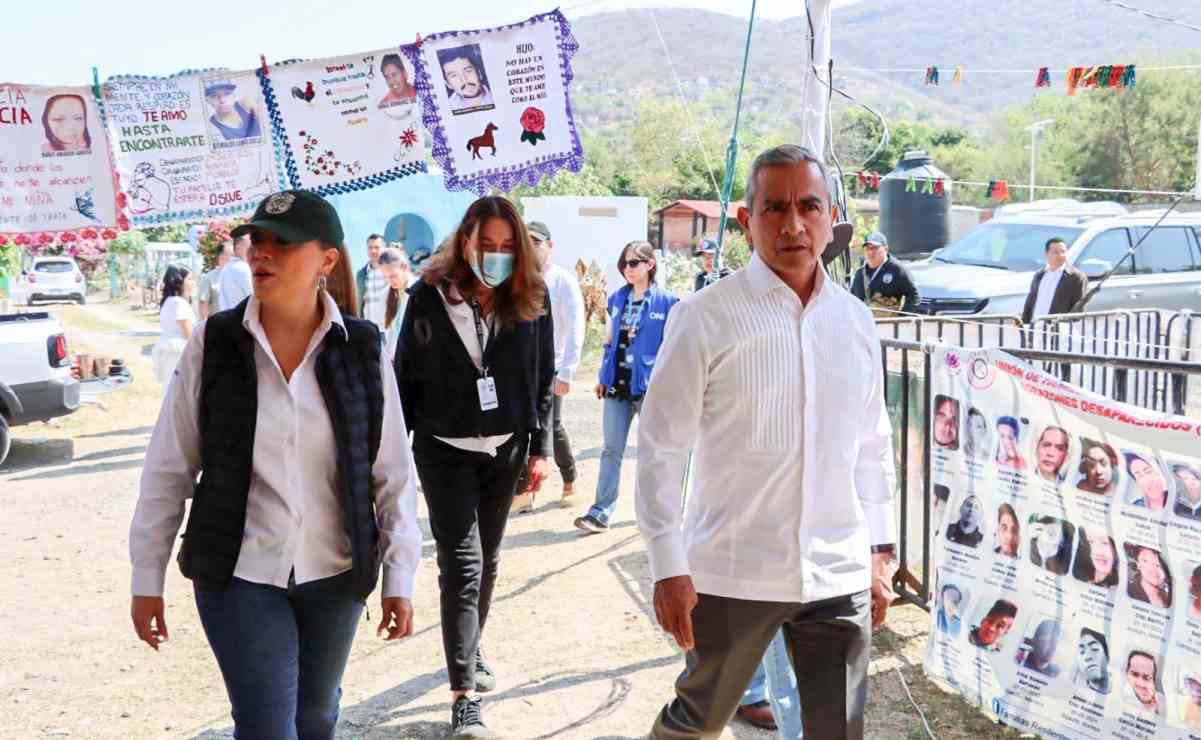
Fernando Blumenkron Escobar, Attorney General of Morelos, oversaw the fifth phase of exhumations in Jojutla on Tuesday. Representatives from search collectives met with the official to demand specialized experts for identifying recovered remains. The event took place at the Pedro Amaro cemetery in the southern municipality where disappearances have persisted for years.
Families expressed frustration regarding the significant backlog at the Forensic Medical Service, where remains have accumulated since 2022. One representative stated they require an extraordinary plan dedicated solely to identification processes to prevent further delays. They emphasized uncertainty regarding the condition of the bodies currently stored at the facility without proper preservation.
Blumenkron responded that the coordinator of Pericial Services has received specific instructions to proceed with immediate priority. He highlighted federal support from the Attorney General of the Republic for specialized personnel needed for complex cases. This collaboration aims to address the technical challenges of the ongoing investigation within the state jurisdiction.
The Attorney General's presence marks a significant deviation from previous protocols regarding official oversight of the site. For the first time in eight years, the state prosecutor visited the exhumation site during active work phases. Officials noted this visit responds directly to demands from mothers and brothers of the missing persons regarding transparency.
Legal representatives instructed the administration coordinator to cover funeral expenses for identified remains to assist grieving families. This measure ensures families receive the bodies without financial burden during an already traumatic process. Families also requested greater sensitivity during the handling of recovered remains to respect cultural and emotional needs.
Several organizations participated in the judicial diligence, including Buscadoras del Sur and Regresando a Casa Morelos. The presence of groups like the National Brigade indicates widespread community engagement across the region. These collectives represent thousands of families affected by violence in the state of Morelos over the last decade.
This development occurs against a backdrop of ongoing challenges in the Mexican justice system regarding human rights compliance. High-profile cases in Morelos often require federal intervention to ensure transparency and adherence to legal standards. The outcome of this identification phase could influence public trust in state institutions and foreign investment confidence.
Observers will monitor whether the promised extra funds and personnel materialize in subsequent months to restore faith. Continued delays could exacerbate tensions between civil society and government authorities regarding accountability mechanisms. The situation remains a critical component of Mexico's broader human rights agenda and rule of law stability.
The location in Jojutla has historically been a focal point for violence and unresolved disappearances in the region. Local authorities must now demonstrate capacity to manage the technical and logistical aspects of the exhumation phases. Failure to deliver timely results could deepen the crisis of impunity affecting the southern state significantly.
Future developments depend on the coordination between state and federal bodies to ensure resources are allocated correctly. Journalists and civil society groups will track the progress of identification reports released to the public. This case serves as a barometer for the effectiveness of current security and judicial policies in Mexico.