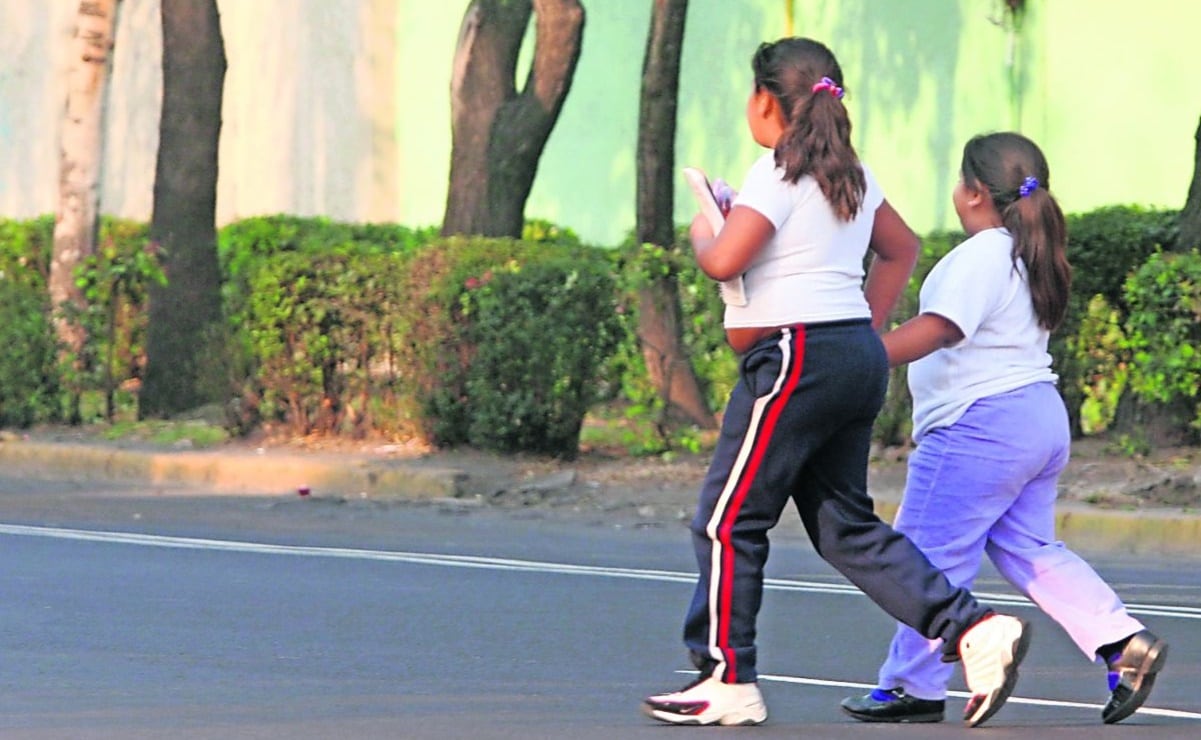
According to the World Obesity Atlas 2026, Mexico ranks eighth globally regarding childhood obesity among children aged five to 19. The report indicates that over 13 million minors in the country suffer from elevated body mass index or obesity in 2025. This significant health crisis places the nation behind only China, India, and the United States in raw numbers. Experts warn that the current trajectory will worsen without immediate policy adjustments from federal authorities.
Detailed statistics reveal that three million nine hundred sixty six thousand children between five and nine years old carry excess weight. Additionally, nine million one hundred sixty one thousand adolescents aged ten to 19 face similar health challenges within the same year. These combined figures highlight a widespread public health emergency affecting nearly one in three Mexican minors. The data underscores the urgent need for targeted interventions in both urban and rural communities.
The World Obesity Federation published the document titled World Obesity Atlas 2026 Childhood Obesity in its two edition. It notes that ten countries concentrate more than 200 million children and teenagers with elevated body mass index globally. China, India, and the United States lead the ranking, grouping more than 10 million youths with obesity alone. These nations represent the most populous areas where the crisis is most acute according to recent studies.
Global health trends show a dramatic increase, moving from four percent in 1975 to nearly 20 percent in 2022. Researchers estimate that these numbers will continue rising by 2040 without significant intervention strategies. The World Health Organization confirms that obesity rates are increasing at an unprecedented pace among school-aged children. This rapid escalation challenges existing healthcare infrastructure across multiple developing economies.
Medical consequences for affected minors include hypertension, hyperglycemia, and elevated triglycerides. Many patients also develop fatty liver disease associated with metabolic dysfunction attributed to body mass index. These conditions often persist into adulthood, creating long-term burdens on the healthcare system. Early detection remains difficult due to the asymptomatic nature of many early-stage metabolic issues.
Historical data from the World Health Organization shows that 31 million youths were obese worldwide in 1990. By 2022, eight percent of global children and adolescents were obese, totaling approximately 160 million youths. This surge represents a fundamental shift in global pediatric health metrics over the last half century. The correlation with processed food consumption remains a primary driver of this demographic shift.
Psychosocial impacts are equally severe, affecting school performance and overall quality of life for young patients. Affected children face significant risks of stigmatization, discrimination, and intimidation within educational environments. Such social barriers can lead to reduced participation in physical activities and further weight gain. Mental health professionals report rising cases of depression linked to weight-related bullying incidents.
The economic implications for the Mexican economy are substantial, given the healthcare costs associated with non-communicable diseases. A less healthy workforce could reduce future productivity and increase social security expenditures significantly. Policymakers must address this issue to protect the long-term fiscal stability of the nation. Economic analysts project that healthcare spending on obesity-related conditions will double by 2030.