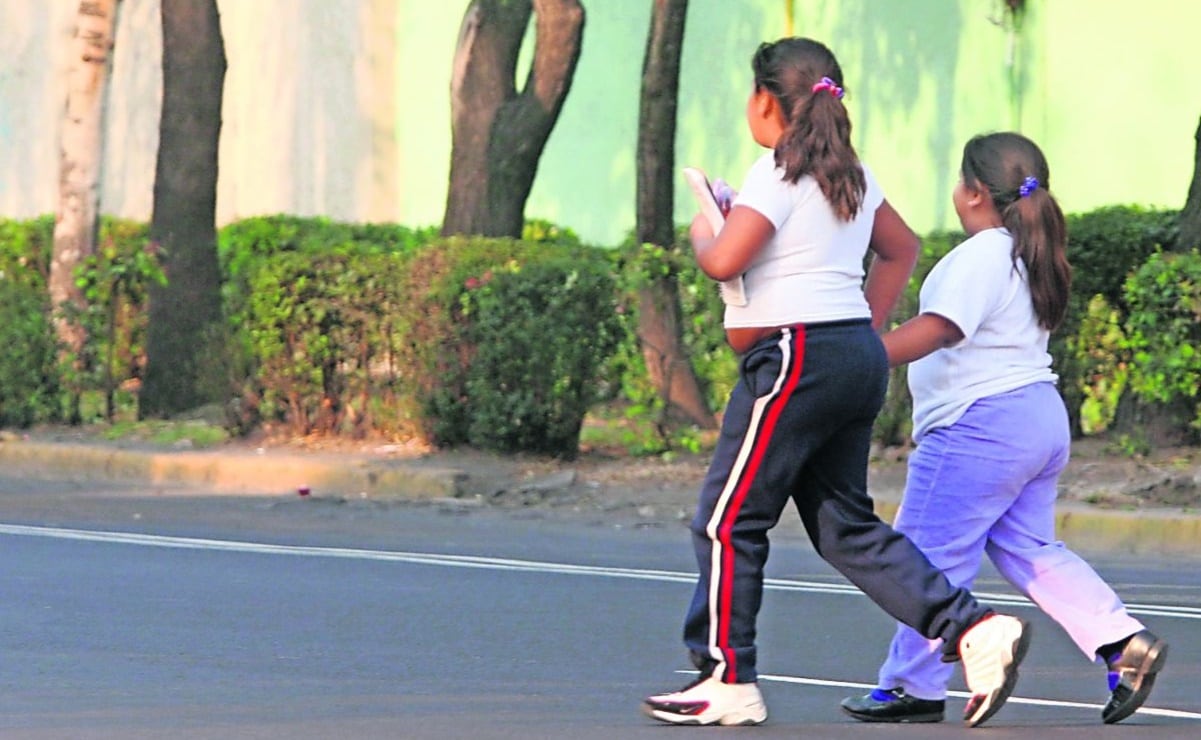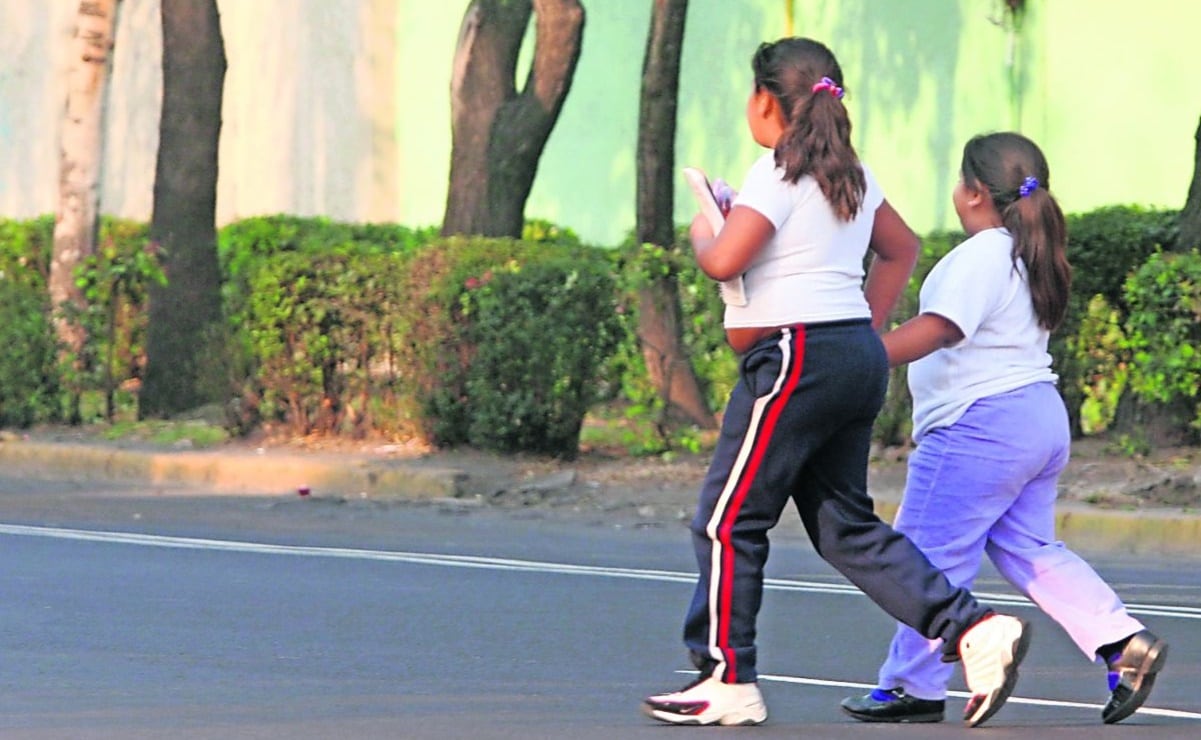
Mexico has secured the eighth position globally regarding childhood obesity rates, according to the recently released 2026 World Obesity Atlas report.
This study reveals that more than 13 million minors across the nation currently suffer from elevated body mass indices or obesity.
The findings underscore a pressing public health emergency that demands immediate attention from federal authorities.
Detailed breakdowns show that approximately three million children between the ages of five and nine are affected by weight-related health risks.
Furthermore, the number climbs significantly to over nine million adolescents aged 10 to 19 within the same demographic bracket.
These statistics place Mexico below major powers like China and India but remain higher than nations such as Nigeria.
The top 10 countries worldwide collectively account for more than 200 million school-aged children carrying excess weight or diagnosed with obesity.
This concentration highlights a systemic issue prevalent across the most populous developing nations rather than isolated national failures.
Experts warn that similar trends are emerging throughout Latin America and parts of Asia during this period.
Historical analysis from the Federation reveals a dramatic increase, rising from just four percent of children in 1975 to nearly 20 percent in 2022.
Projections indicate that these alarming figures will continue to escalate steadily through the year 2040 without substantial intervention.
The momentum suggests that current policies are insufficient to curb the rapid growth of this health crisis.
Medical consequences for these minors include hypertension, hyperglycemia, and elevated triglycerides linked to metabolic dysfunction.
Additionally, many children suffer from non-alcoholic fatty liver disease associated with their body mass index levels.
These physical ailments often persist into adulthood, creating a lifelong burden on the individual and the family unit.
Beyond physical health, the World Health Organization warns of severe psychosocial consequences that impact school performance and daily life quality.
Children facing obesity frequently encounter stigma, discrimination, and intimidation from peers within educational and social environments.
Such negative experiences can lead to long-term mental health challenges that compound the physical risks.
From an economic perspective, the crisis threatens future national productivity and increases the financial strain on public healthcare systems.
Policymakers must address the rising costs of treating non-communicable diseases while balancing immediate health needs with long-term economic sustainability.
Failure to act now could result in significant fiscal deficits related to chronic disease management in the workforce.
Addressing this epidemic requires coordinated efforts between government agencies and international bodies like the World Obesity Federation to implement effective strategies.
Without decisive policy shifts, the economic and social costs associated with childhood obesity will escalate dramatically in the coming decades.
Continued monitoring and data collection will be essential to track progress and adjust public health interventions accordingly.