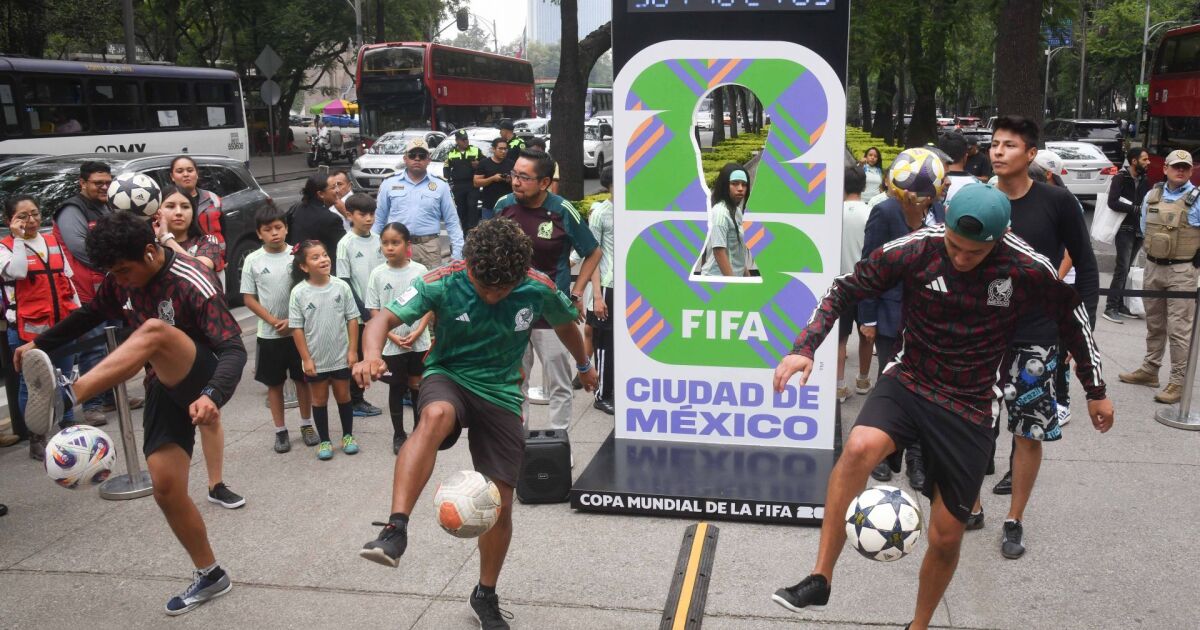
Small hospitality enterprises across Mexico stand at a critical economic juncture ahead of the 2026 FIFA World Cup. The upcoming tournament presents a massive influx of international visitors that could transform local revenue streams significantly. However, experts warn that benefits may not reach smaller operators without strategic preparation.
Establishments such as cafes, restaurants, and boutique hotels generate substantial employment across the national economy. These venues also construct urban identity by acting as gathering spaces for residents and tourists alike. Their role becomes particularly visible when major events mobilize thousands of visitors into specific districts.
Sporting competitions or concerts can activate entire sectors within the urban economy through increased foot traffic. Hotels fill to capacity while restaurants operate at maximum throughput during these specific periods of high demand. Services related to tourism multiply rapidly to meet the sudden surge in requirements from outside guests.
Despite this potential, economic windfalls do not always distribute equitably among all market participants in the region. Many small businesses operate with limited resources that hinder effective competition against larger national corporations. Consequently, a significant portion of spending often concentrates in the hands of few large actors within the industry.
Strengthening these enterprises becomes relevant for the years immediately following the 2026 announcement of host cities. Mexico will host one of the most important global sporting events when millions of visitors arrive from abroad. Spending in hospitality, food, and transport sectors will increase significantly during this extensive period of activity across the country.
The central question regarding the tournament is not whether consumption will occur among the attendees from other countries. Rather, the inquiry focuses on which businesses will capture that specific spending power effectively in the local market. Local hospitality providers possess a significant opportunity to participate in this economic dynamic if they adapt.
To succeed, these companies must professionalize and improve their product offerings to meet international service standards. Adaptation to new consumption patterns is necessary for long-term survival in a competitive market. Ownership should not rely on public solidarity to drive sales through local stores alone.
Competitiveness requires the ability to offer experiences capable of meeting rigorous market standards consistently over time. The economy continues to become more demanding for all service providers throughout the region. Preparation now ensures viability when global attention turns to the host nation for the tournament.
According to reporting by expansion.mx, the path forward involves adapting to new consumption patterns quickly. This shift requires a move beyond traditional models to meet the expectations of an international audience. Stakeholders must focus on operational efficiency to remain viable during peak seasons.
Industry watchers will monitor how local governments support small business access to major event contracts and subsidies. The outcome will determine if local economies benefit from the global influx or remain peripheral to the main events. Success depends on early investment in training and infrastructure upgrades before the games begin.