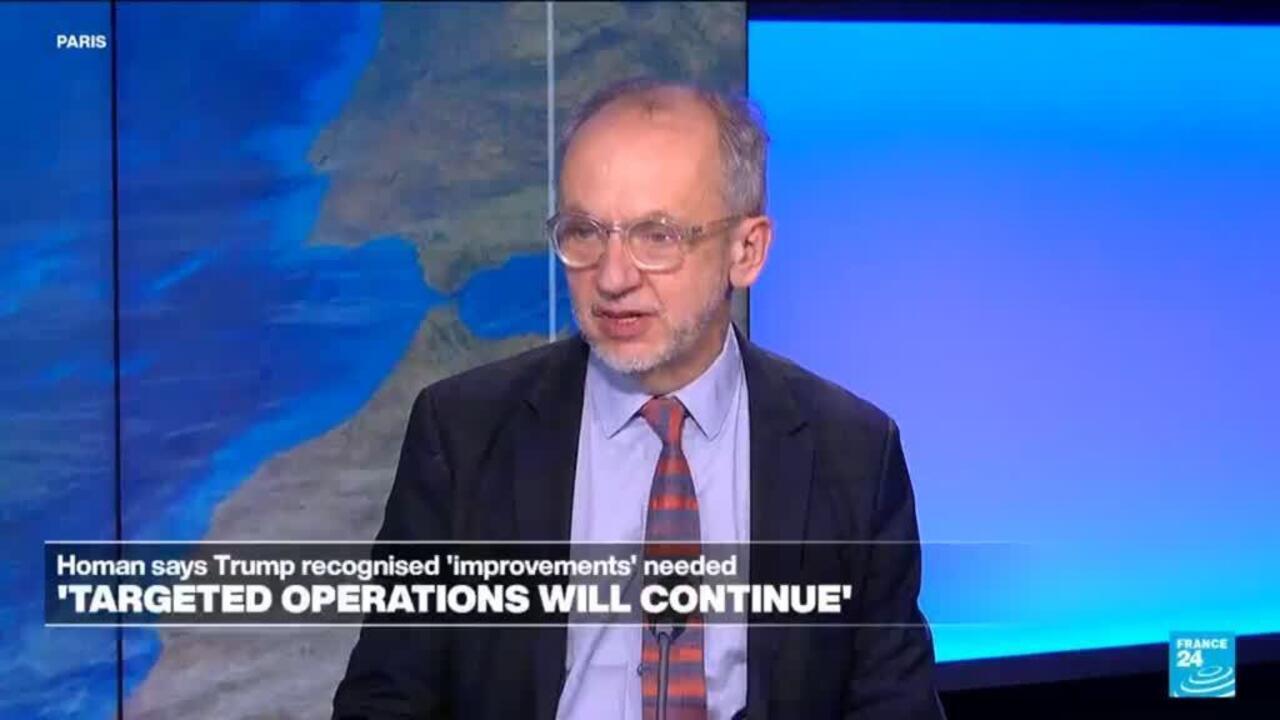
Immigration enforcement coordinator Tom Homan confirmed that the number of federal officers deployed in Minnesota could decrease, linking the reduction directly to the level of cooperation received from state and local authorities. This statement came during Homan's initial press briefing since assuming oversight of Immigration and Customs Enforcement (ICE) operations in the Minneapolis area.
Homan reportedly maintained the administration's core strategy regarding removals while introducing what observers termed a 'change of tone' in his delivery. The official emphasized that any reduction in federal presence would be conditional, suggesting a transactional approach to federal-local immigration partnerships.
Crucially, Homan reiterated the administration's strong insistence that local correctional facilities must honor ICE requests to detain individuals slated for deportation proceedings. This demand for cooperation centers on the communication of custody status for non-citizens arrested on other charges.
According to reports from FRANCE 24’s Philip Turle, Homan focused on the mechanics of enforcement rather than signaling a substantive policy reversal. The coordination effort appears aimed at maximizing efficiency under existing protocols rather than altering the scope of immigration law enforcement.
The assertion that officer presence correlates with local compliance introduces a new variable into the operational dynamics within Minnesota. This conditional deployment strategy could test the political will of state and county officials regarding sanctuary policies.
Analysts suggest this nuanced approach may seek to reduce visible federal saturation while preserving the ability to execute deportations based on local notifications. The administration appears focused on institutionalizing cooperation rather than solely relying on large-scale deployments.
Future implications hinge on whether state officials view this conditional draw-down as an incentive or as pressure to comply with federal detainers. The dynamic between federal immigration agencies and Minnesota jurisdictions will define the next phase of enforcement posture in the region.