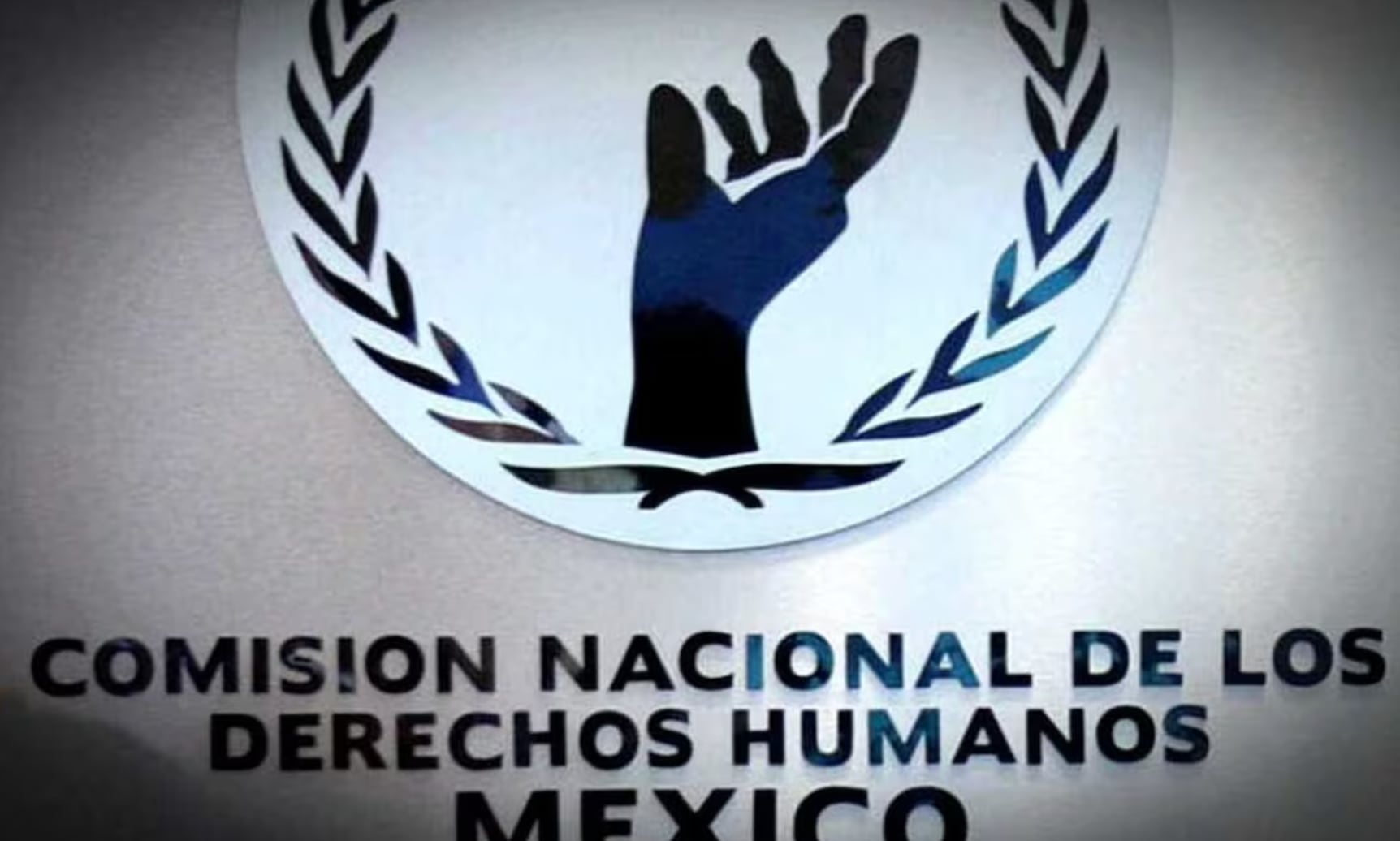
The Comisión Nacional de los Derechos Humanos announced Wednesday that it detected the illegal sale of certificates and diplomas associated with its free educational programs. The body stated that third-party actors are monetizing content from the "Educa CNDH" digital platform, which violates the integrity of its human rights training processes. This fraudulent activity undermines public trust in the institution's digital services and educational initiatives across Mexico.
According to a report by El Universal, the organization detailed that illicit transactions occur across various websites and digital platforms targeting citizens seeking credentialing. The fraudulent documents include certificates, diplomas, and answers to evaluation assessments provided by the agency to its students. Officials noted that these actions constitute a clear fraud that compromises the legitimacy of the training modules offered to the public.
This situation mirrors a similar incident that occurred in June 2020, when the commission successfully filed complaints to shut down involved accounts. Authorities had previously managed to eliminate the specific digital pages responsible for distributing these unauthorized documents during that period. The recurrence of this behavior prompted the institution to take stricter legal measures against the responsible parties this time.
In response to the ongoing issue, the CNDH announced plans to file criminal complaints against the digital platforms and individuals involved in the commercialization of these documents. The commission emphasized that these practices violate the legal framework governing public administration and education within the country. Legal action aims to deter future attempts to monetize the institution's public resources and educational goodwill.
The organization explicitly exhorted the general population and public servants to refrain from purchasing, selling, or utilizing these apocryphal documents. Officials warned that the improper use of such certificates could result in legal responsibilities for individuals involved in the scheme. This warning applies to both the vendors distributing the materials and the recipients seeking to gain unearned credentials.
The commission reiterated that all courses, diplomas, and educational activities offered through its network remain completely free of charge for the citizenry. The primary objective of these programs is to foster a culture of respect for human rights rather than to generate revenue through credentialing. Any attempt to commercialize these resources distorts the original educational purpose established by the state institution.
Experts suggest that the resurgence of such fraud highlights vulnerabilities in the verification systems of digital government platforms in Latin America. As public services migrate online, the risk of credential fraud increases for entities managing large-scale educational initiatives. Strengthening digital authentication methods becomes a priority for maintaining the credibility of government-backed certifications.
Looking ahead, the commission will monitor online marketplaces to identify new vectors for the distribution of fraudulent materials. Continued enforcement actions will be necessary to protect the integrity of the nation's human rights training ecosystem. The outcome of these legal proceedings will set a precedent for how digital fraud against state institutions is prosecuted in Mexico.