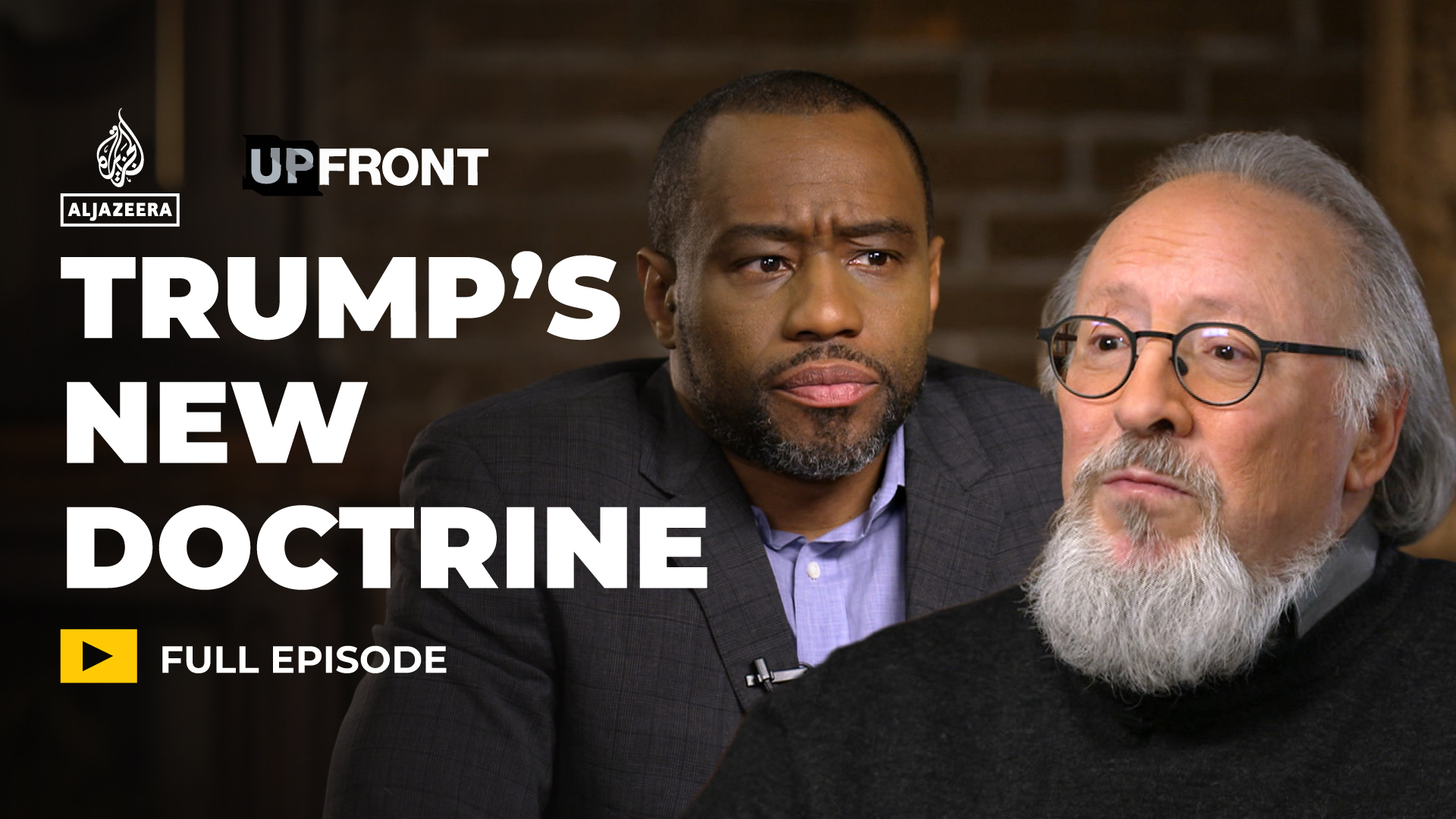
Peter Kornbluh, Senior Analyst at the National Security Archive, recently examined the ramifications of a hypothetical United States military action targeting Venezuelan leadership. The discussion, hosted by Marc Lamont Hill on Al Jazeera’s UpFront program, addressed concerns over escalating US power projection through direct intervention.
Kornbluh explored whether the reported abduction of President Nicolas Maduro signals a significant departure from established diplomatic norms or merely represents the latest iteration of long-standing US interventionist strategies in Latin America. The premise suggests a potential hardening of Washington's approach to regional adversaries.
This line of questioning directly impacts the geopolitical stability of the hemisphere, according to the analysis presented. The context involves past US actions in the region, framing the current situation as potentially more aggressive than recent administrations.
Furthermore, the analyst noted the administration’s renewed focus on Cuba, suggesting a broader strategic realignment targeting nations perceived as antagonistic to US interests. This dual focus raises concerns among regional allies regarding the scope of potential future actions.
The conversation sought to determine the limits of executive authority in employing military force abroad without explicit multilateral backing. Such unilateral action carries significant weight for international law and diplomatic relations.
Data from the National Security Archive often informs Kornbluh’s perspective, providing historical context for contemporary foreign policy decisions. This historical lens is crucial for assessing whether current tactics are truly novel or deeply rooted in Cold War-era doctrines.
Looking forward, the geopolitical implications hinge on how regional bodies, such as the Organization of American States, respond to overt US interference. The reaction of neighboring economies will be a key indicator of regional alignment.