A Michoacán control judge granted conditional freedom to 11 municipal police officers from Ecuandureo on Friday morning. The release follows their detention for alleged involvement in CJNG narcobloqueos after the death of leader Rubén Oseguera Cervantes. Authorities stated the decision was made after reviewing evidence regarding their operational role during the protests.
The court imposed strict surveillance measures during a six-month suspension of the legal process for all suspects. Officers must reside at a designated location and report weekly to the unit of cautionary measures for compliance. They face restrictions on foreign travel and mandatory abstention from alcohol or drug use throughout the probation period.
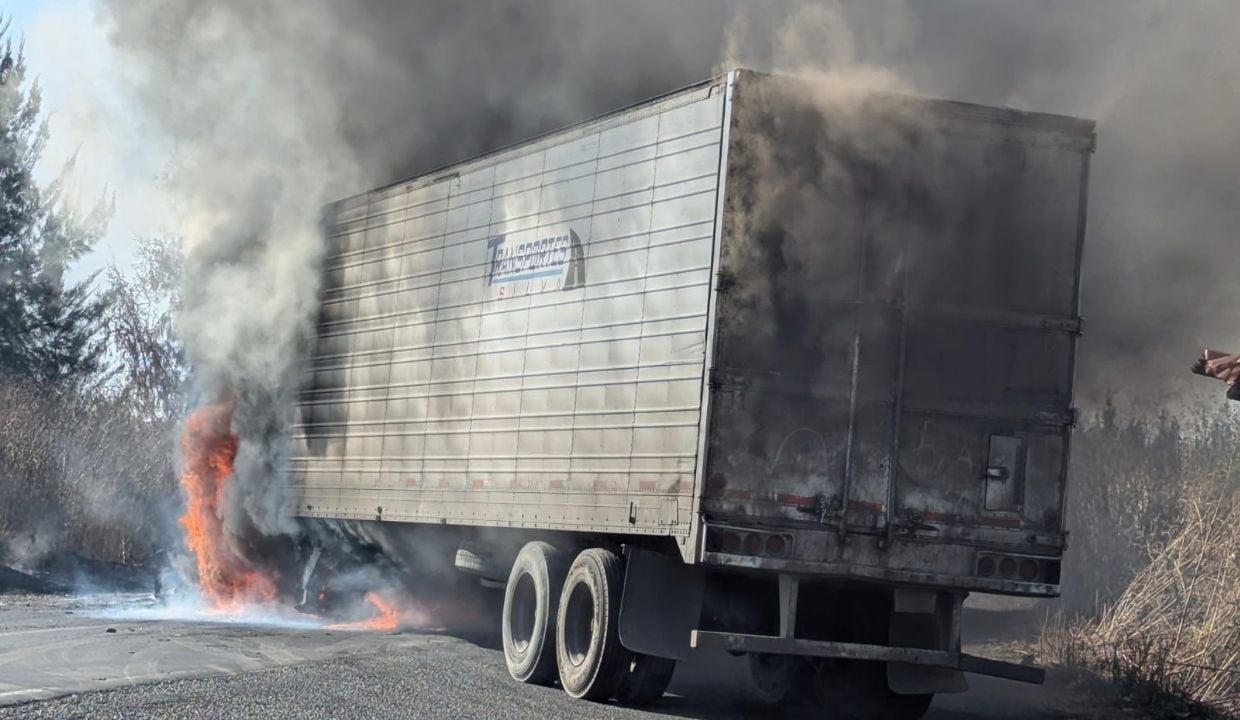
Police Chief Jorge Andrés N and 10 subordinates were initially detained on February 24 during a joint security operation. The arrest occurred as Civil Guard personnel responded to vehicle burnings and roadblocks in the municipality of Ecuandureo. Investigators found CJNG insignias and communication devices within the suspects' vehicles during the raid.
Surveillance devices revealed WhatsApp groups used to share operational data directly with the criminal organization leadership. These channels facilitated alerts regarding state and federal force mobilizations during the widespread unrest. According to El Universal, the group actively coordinated responses to the cartel leader's elimination in real time.
This incident highlights the deep infiltration of local law enforcement by organized crime groups in western Mexico. Similar patterns emerged during previous crackdowns on the Jalisco New Generation Cartel throughout the state. Corruption within municipal forces often undermines state security efforts significantly and delays justice for victims.
The release of these officers contrasts with the government's hardline stance against cartel collaborators nationwide. Critics argue that conditional freedom undermines the deterrent effect of prosecuting public servants effectively. Legal experts suggest the suspension aims to manage case backlog while maintaining oversight for future accountability.
Social service requirements mandate one weekly shift in the municipality of Zamora under strict supervision protocols. The judge ordered the Direction of Cautionary Measures to define specific activities and schedules for each officer. This arrangement ensures continued monitoring without full incarceration pending trial outcomes.
The General Attorney's Office continues to investigate links between regional police and the criminal network extensively. Additional arrests remain possible as investigations expand into broader financial and operational ties. Regional stability depends on resolving these systemic corruption issues effectively and swiftly to restore public trust.
Security analysts warn that loose enforcement could embolden other criminal elements within police ranks. Federal authorities must maintain pressure on local jurisdictions to prevent further collusion. The situation reflects ongoing challenges in Mexico's fight against organized crime and impacts regional investment stability.
Future developments will depend on the outcome of ongoing judicial reviews and evidence collection. Observers will watch for any violations of the imposed restrictions during the probation period. This case serves as a benchmark for accountability in Michoacán's security sector going forward.