Organized crime groups have intensified attacks on political figures during the 2023-2024 electoral cycle across Mexico. A new collaborative report details 2,009 incidents ranging from threats to assassinations involving public officials. The data spans from 2018 to June 23, 2024, highlighting a persistent security crisis that threatens democratic institutions nationwide. Experts warn this trend undermines the legitimacy of the entire political system.
These incidents include 2,009 specific events such as armed attacks, disappearances, and kidnappings targeting government facilities. Violence targets individuals serving in political, governmental, or party capacities throughout the nation consistently. Organized crime utilizes these tactics to influence public life within specific states and municipalities effectively. The methodology of these attacks has become more sophisticated over the last five years.
Criminal organizations have adapted their strategies to undermine electoral integrity directly during voting periods. Reports indicate they substitute polling officials on election day to manipulate results in contested areas frequently. Such interference compromises the validity of the vote and deters citizen participation in the process significantly. This tactic allows criminal groups to control local resources without holding formal office.
Regional hotspots show severe restrictions on campaigning and political activity for aspiring leaders seeking office. In Guerrero, experts describe democracy as effectively kidnapped by narco groups controlling the territory. Campaigning in Veracruz and Guanajuato carries significant risks that endanger candidate safety daily. Local activists face constant threats that limit their ability to serve constituents.
Sinaloa saw terror define an election outcome in 2021, while Jalisco faces silence from ongoing cartel wars. These regional dynamics demonstrate how violence shapes political competition in key territories across the country. Local governance often operates under the shadow of organized crime power and influence networks daily. Authorities struggle to maintain control in these contested zones.
Political parties frequently retain power in 12 municipalities where candidates were assassinated before voting occurred. This suggests that criminal influence extends beyond the initial selection of nominees to final administration of local power. The succession process often favors those acceptable to criminal structures over legitimate challengers for office. This continuity ensures criminal groups maintain control over local budgets and contracts.
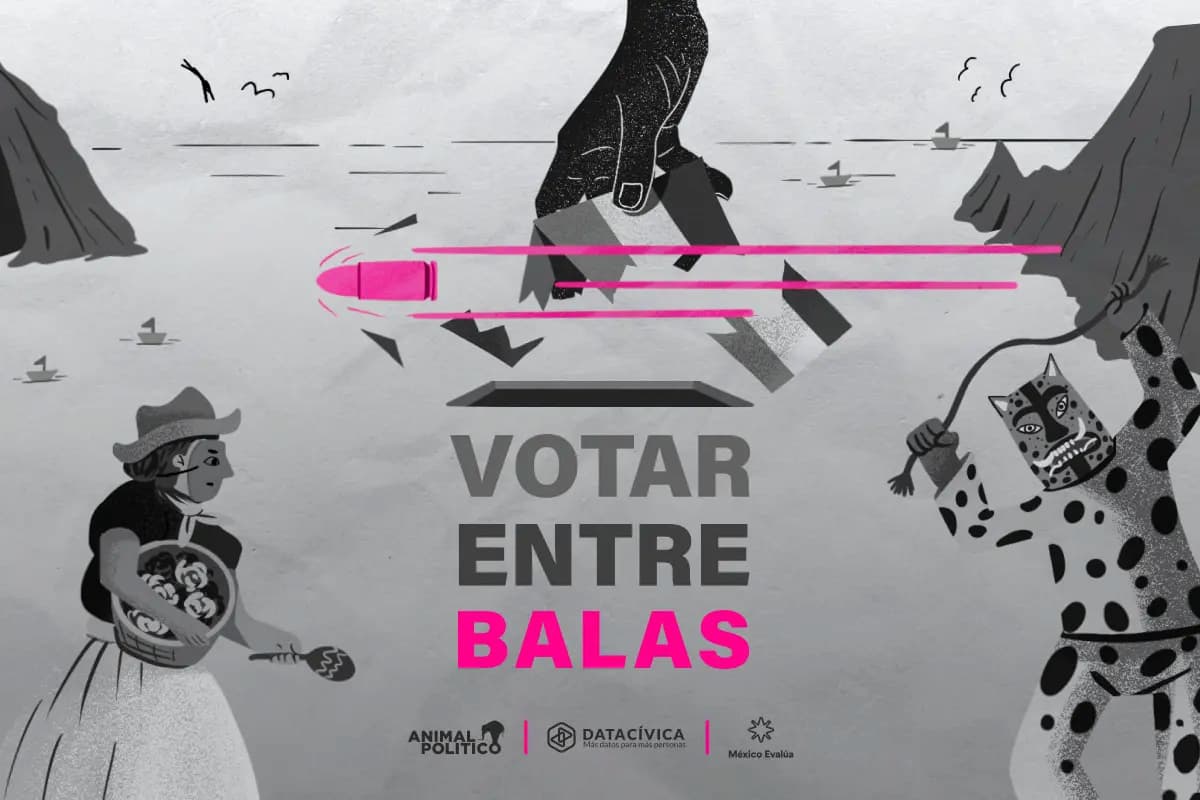
A coalition of organizations including Animal Político, Data Cívica, and México Evalúa compiled the findings for public release. They present this data to highlight the correlation between drug violence and political suppression in the region specifically. The report aims to inform voters and policymakers about the severity of the threat to their safety and democracy. Civil society groups are now calling for stronger federal intervention measures.
Economic stability concerns arise as investors monitor the security environment closely for market indicators and risks. Political violence creates uncertainty that can deter foreign capital from entering the market significantly and permanently. The rule of law remains a critical factor for long-term economic growth and stability in the region. Investors are now scrutinizing the safety of supply chains in states with high crime rates.
Future security remains uncertain as local elections continue under similar pressures from criminal groups operating openly. Government reforms may be necessary to address the root causes of impunity and judicial failure within the system. International observers will watch for improvements in judicial deterrence and state protection mechanisms for candidates. Law enforcement agencies face significant challenges in protecting elected officials effectively.
Threats against candidates increased by 15% compared to previous cycles according to preliminary analysis. This trend indicates that intimidation is becoming a more common tactic than direct assassination in some areas. The escalation requires immediate attention from state security forces and federal authorities. Political analysts warn that without intervention, the 2024 results could reflect criminal coercion.