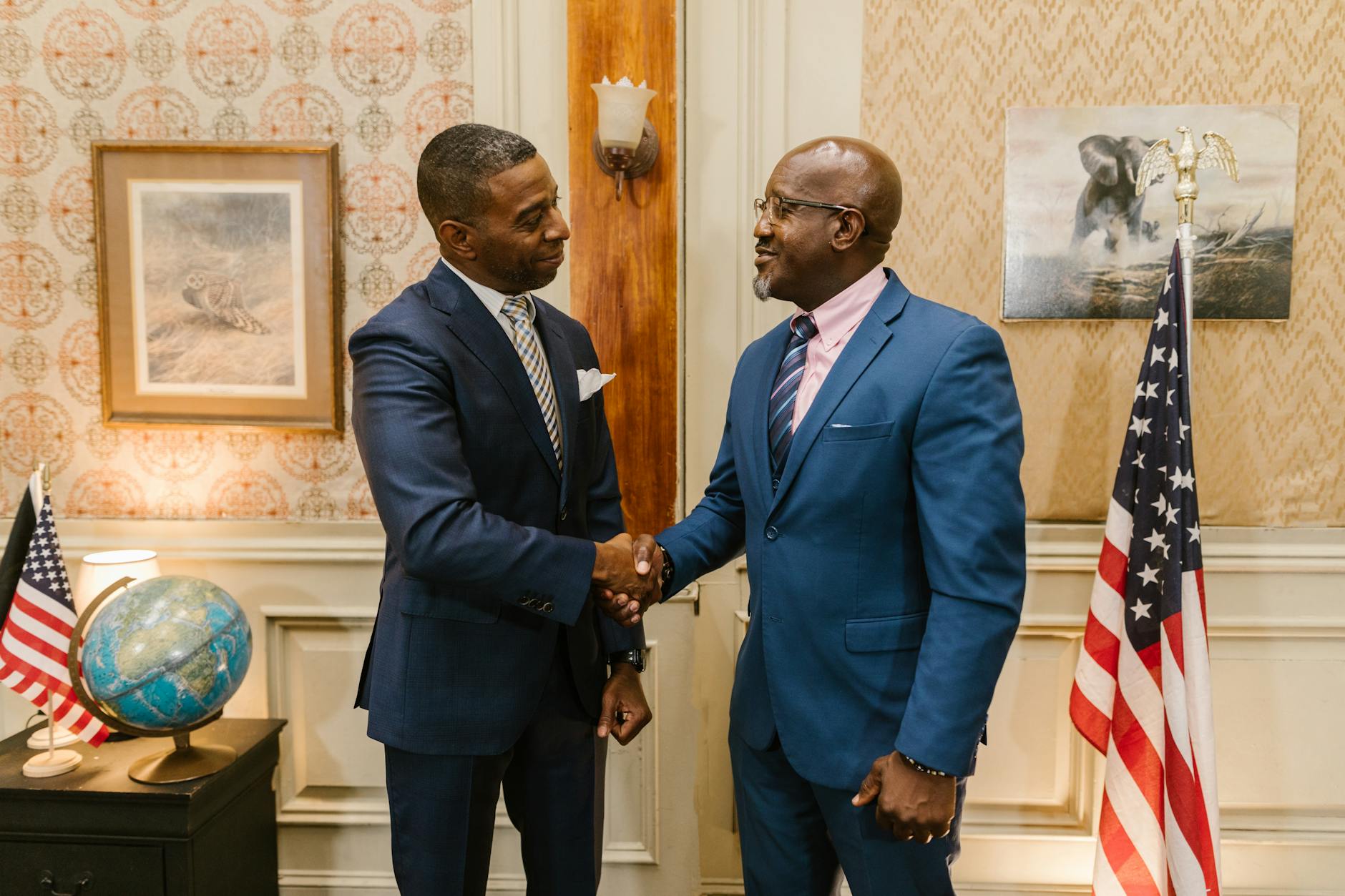
TOKYO. Japanese and German defense ministers discussed joint military cooperation. Shinjiro Koizumi and Boris Pistorius met in Yokosuka last week. They aim to sign a facilitation agreement amid escalating Middle East tensions.
Pistorius proposed the framework for troop movement. Kyodo reported the specific proposal details. Koizumi highlighted the complexity of the security environment.
Koizumi stated that unilateral responses are no longer viable. He emphasized cooperation between allied nations. This marks a shift in traditional defense postures.
The German Ministry of Defense issued a press statement. They plan to intensify military cooperation during crises. Preparation for future challenges remains a priority.
North Korea poses a growing regional threat. Pyongyang supports Russia in the Ukraine conflict. This alliance increases combat experience for Pyongyang.
Japan and Germany view strengthened ties as essential for deterrence. Both leaders agreed on the importance of regional stability. The meeting underscores shifting global security dynamics.
Chilean trade analysts are monitoring the situation closely. Disruptions in Middle East shipping lanes impact Chilean exports. Copper shipments rely heavily on stable global trade routes.
Santiago maintains neutrality but values security cooperation. Chilean economists warn of inflation risks from geopolitical shocks. Strategic alliances influence foreign policy decisions.
The agreement would facilitate training exercises between forces. Logistics support will improve for allied operations. This expands existing bilateral defense partnerships.
Officials plan to finalize details in upcoming months. Chilean markets watch for stability signals in the region. Global power dynamics continue to evolve rapidly.