Immigration and Customs Enforcement (ICE) is reportedly utilizing a mobile application, Mobile Fortify, to instantly capture facial and contactless fingerprint data from individuals during field operations. Court documents suggest that data gathered through these biometric scans is being used by the Department of Homeland Security (DHS) to initiate actions, including the termination of Trusted Traveler Program memberships, according to reports from View from the Wing.
Mobile Fortify allows agents to scan faces and collect biometric identifiers, which are then matched against law enforcement databases, reportedly including iris scans facilitated by BI2 Technologies. The agency has defended the deployment of this technology as lawful, though the scope of its application extends beyond traditional immigration enforcement targets to include U.S. citizens documenting or observing operations.
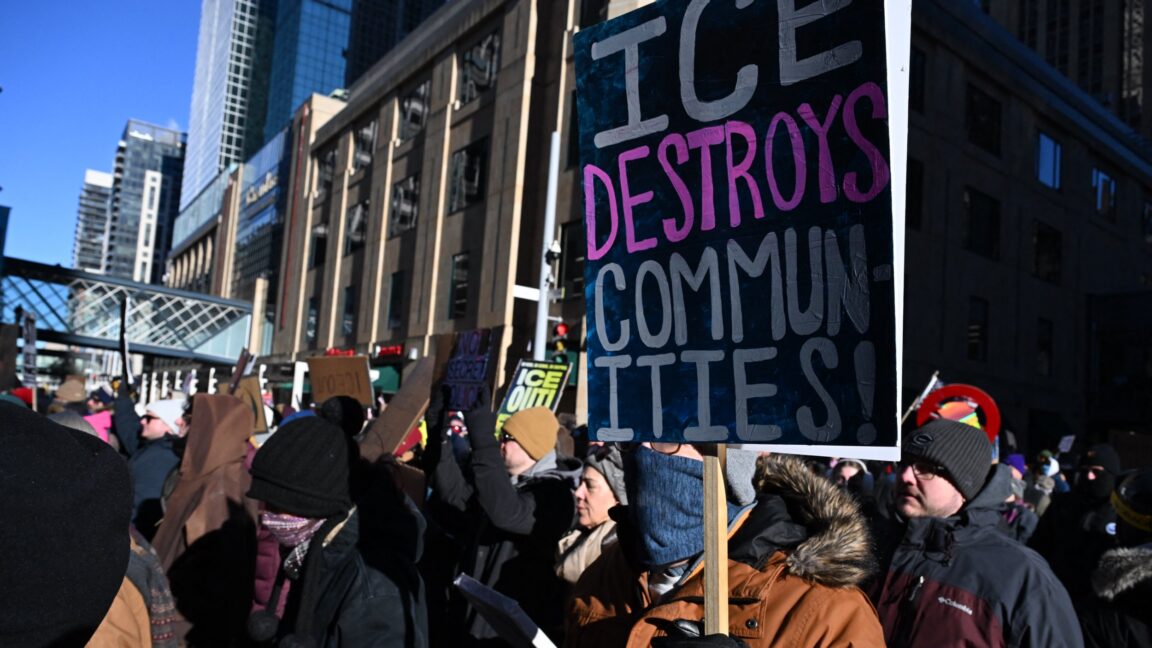
Specific court filings detail an instance where an agent allegedly addressed an observing citizen by name after a facial recognition scan, warning them against 'impeding' enforcement activities. Just three days following this encounter, the individual reportedly received notification that both their Global Entry and TSA PreCheck status had been revoked by DHS.
While protesting government policy is not an explicitly listed disqualifier for Global Entry, the system allows for revocation if an individual is deemed to be under investigation or found to have interfered with agency operations. DHS conducts continuous vetting of Global Entry members, meaning investigations stemming from field encounters can trigger status reviews.
This expansion of surveillance tools, which also reportedly includes license plate readers and commercial phone location data monitoring at protests, raises concerns regarding the chilling effect on public dissent. If citizens face administrative penalties for documenting federal activity, the willingness to engage in public oversight may diminish.
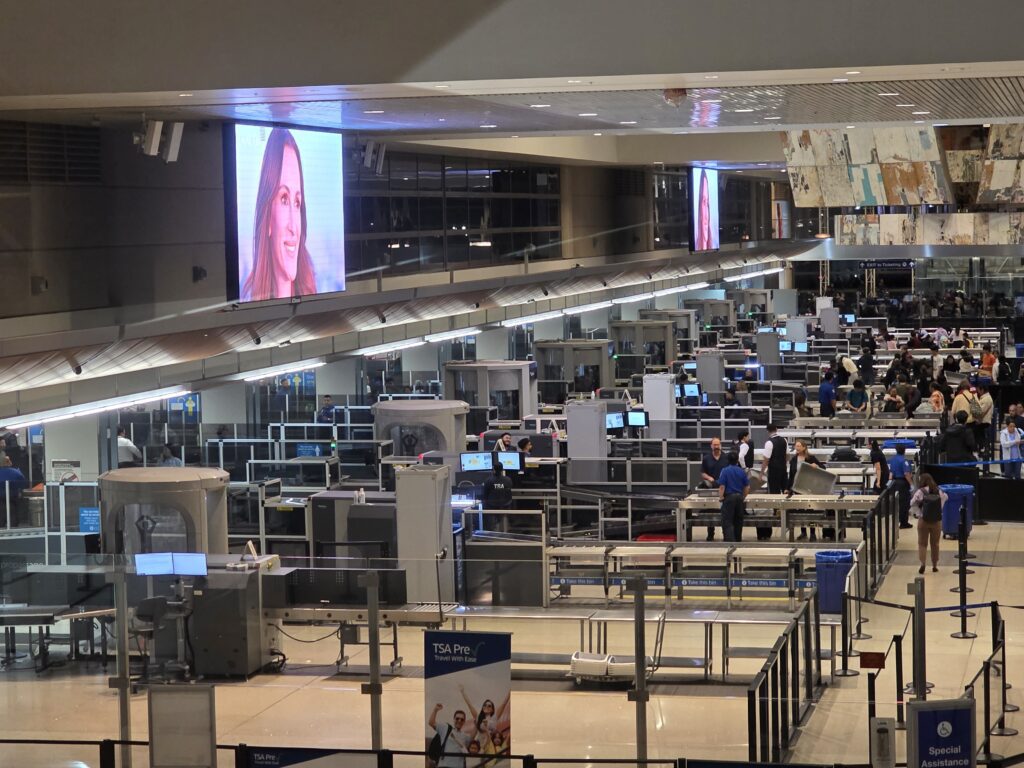
It is noted that DHS administers both the surveillance technology and the Trusted Traveler Programs, creating an integrated system where enforcement action can directly impact travel privileges. While revocation decisions are subject to appeal, with 39% of appeals reportedly succeeding, the initial loss of status presents immediate logistical challenges for affected travelers.
This situation highlights the intersection of advanced biometric identification technology and civil liberties within federal enforcement frameworks. The use of tools initially designed for security screening to potentially penalize protected First Amendment activities warrants close examination by oversight bodies.