Minnesota resident Nicole Cleland reportedly had her Global Entry and TSA PreCheck privileges revoked just three days following an interaction with federal agents, according to a court declaration filed in the US District Court for the District of Minnesota. Cleland, a director at Target Corporation, volunteers tracking Immigration and Customs Enforcement (ICE) and Customs and Border Protection (CBP) activity in Richfield.
The central element of the dispute involves an agent allegedly identifying Cleland using facial recognition technology during a traffic stop on January 10, as detailed in the filing. Cleland stated she was observing agents she believed were federal enforcement when her path was blocked by multiple vehicles, one driven by an agent who explicitly mentioned the use of 'facial recognition' and body camera recording.
Cleland's declaration, sourced by Ars Technica, outlines that the agent approached her vehicle, addressed her by name, and asserted she was impeding official work, issuing a verbal warning against future interference. The encounter concluded with the agent driving away after the warning, according to the court document filed on January 21.
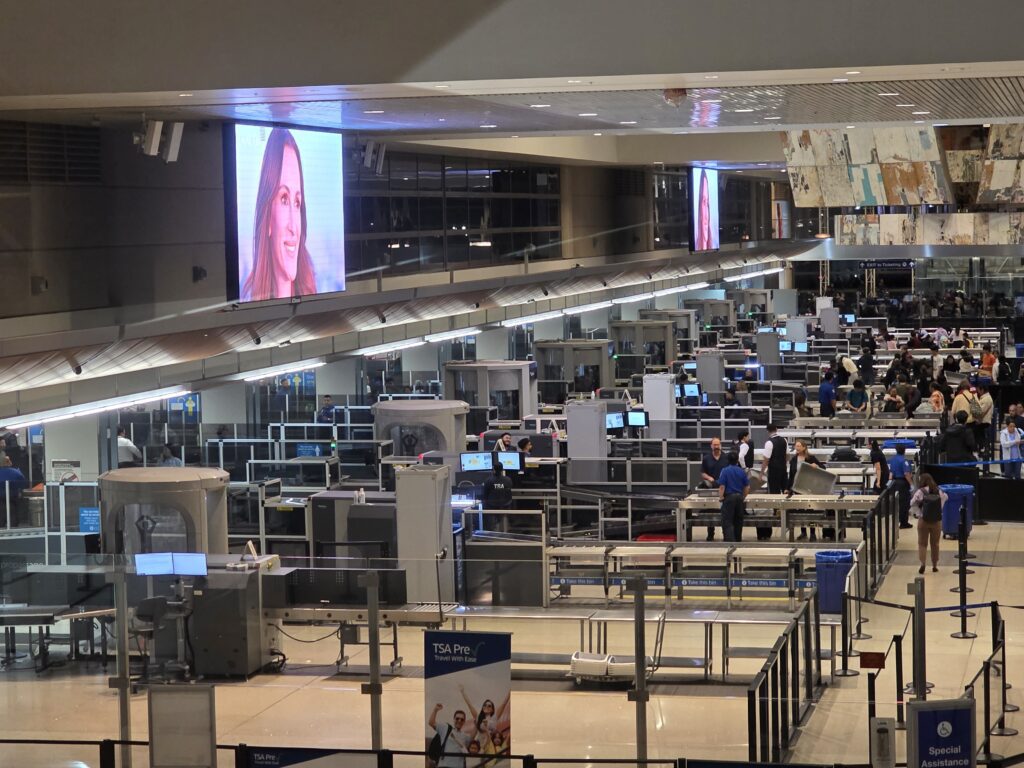
Global Entry and TSA PreCheck are trusted traveler programs that rely on pre-screening and vetted membership, offering expedited processing through security checkpoints. The immediate revocation of these privileges following an alleged biometric identification suggests a potential link between real-time database checks and administrative action.
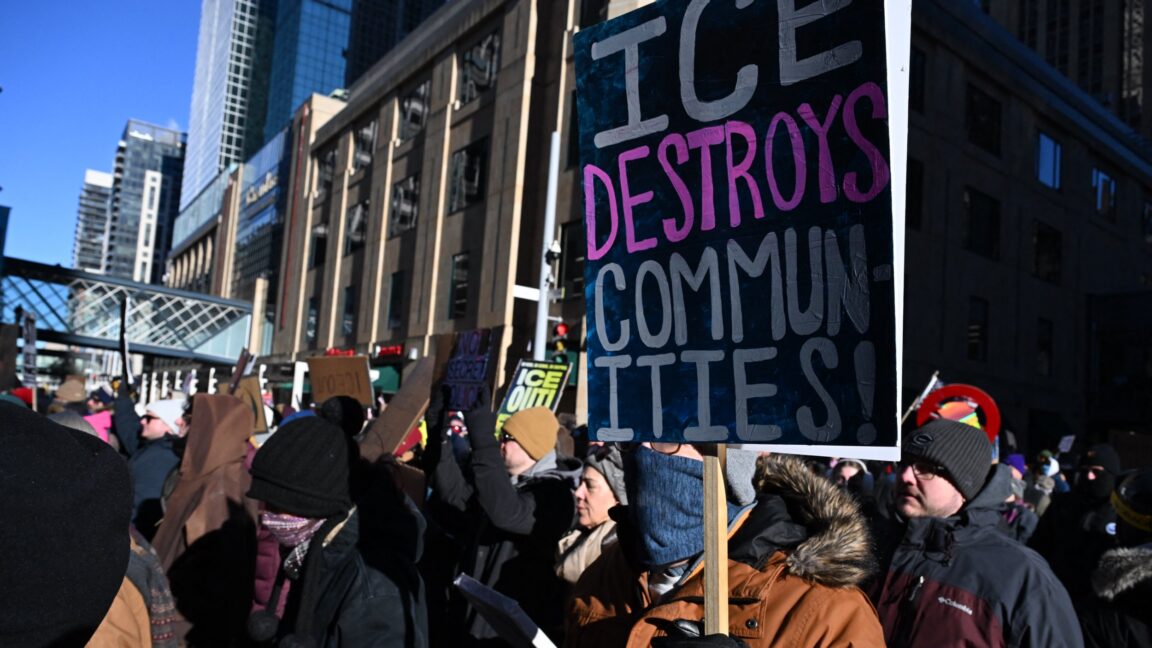
The incident is now part of a broader legal challenge filed by Minnesota residents against US government officials concerning the actions of DHS and ICE. Cleland’s affidavit gained further attention after being cited in a recent Boston Globe column discussing alleged intimidation tactics employed by federal immigration agents against local observers.
This case highlights the growing technical complexity surrounding individuals' rights when encountering federal enforcement agencies that possess sophisticated biometric identification capabilities. The use of facial recognition during routine or observational encounters presents novel regulatory challenges for DHS components.
Looking forward, the outcome of this lawsuit may establish critical precedents concerning the permissible scope of facial recognition deployment against US persons during non-arrest situations. Further judicial review will likely focus on the protocols governing the linkage between biometric identification and the suspension of federal benefits like Global Entry.