A personal account detailed how the author’s mother, a kidney transplant recipient in eastern China, now spends hours consulting the DeepSeek AI chatbot rather than receiving mere minutes with her physical physician in Hangzhou. This reliance stems from a healthcare environment where top specialists are scarce, often seeing over one hundred patients daily, leading to rushed, impersonal interactions.
According to the report published by restofworld.org, the 57-year-old patient found the AI system offered consistent, empathetic engagement, even interpreting uploaded lab results and suggesting lifestyle adjustments, such as modifying immunosuppressant intake. The chatbot’s immediate availability contrasts sharply with the arduous, multi-day travel required for specialist follow-ups in major metropolitan hospitals.
China's healthcare structure contributes significantly to this dynamic, as prestige hospitals operate under intense financial pressure, incentivizing speed over thoroughness, and historical distrust has been fueled by past scandals involving biased medical advertising on platforms like Baidu. This systemic strain pushes vulnerable populations, including the chronically ill and isolated, toward always-accessible digital caregivers.
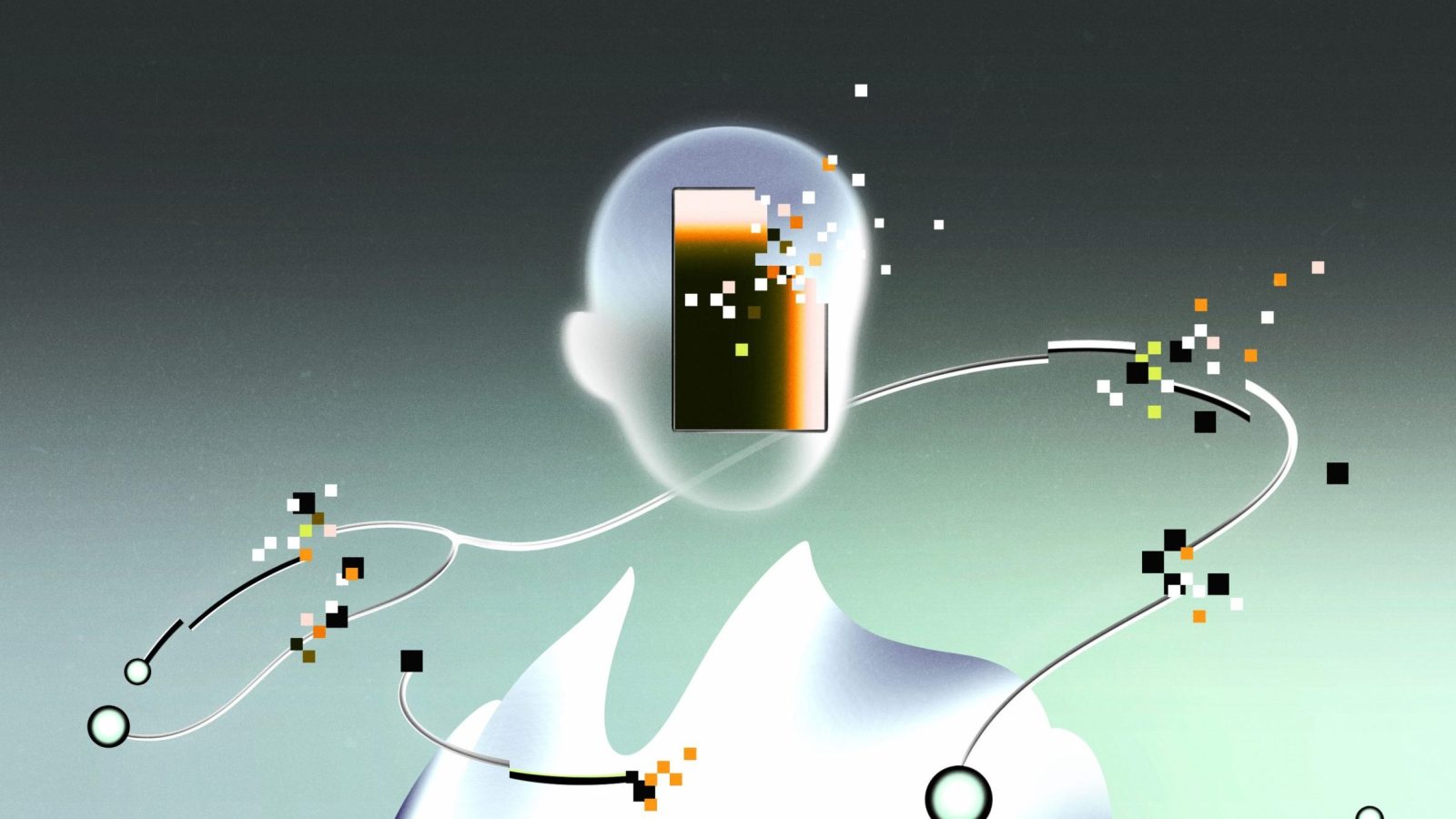
DeepSeek reportedly provided affirmation and detailed responses to complex queries about her chronic kidney disease, prompting the patient to describe the AI as "more humane" than human doctors. This emotional connection underscores a broader phenomenon where AI companions fill voids left by geographically distant family or time-constrained medical professionals.
Entrepreneurs and some clinicians champion AI as a necessary solution to mitigate overburdened public health infrastructure across the globe. However, this reliance is met with warnings from ethicists and researchers concerning the inherent risks of medical hallucinations and algorithmic bias when critical life decisions are involved.
The author expressed apprehension regarding the mother’s growing dependence on the chatbot, noting the lack of immediate human support following her parents' divorce and the author’s relocation to New York City. The situation exemplifies how technological solutions are being adopted to bridge gaps in deeply personal care needs exacerbated by socioeconomic and infrastructural limitations.
As LLMs become integrated into roles ranging from virtual physicians to elder companions, the case of the mother and Dr. DeepSeek illustrates the immediate, tangible impact of these systems on vulnerable populations seeking consistent, attentive care in underserved medical contexts.