The prevailing paradigm of mental health treatment is undergoing a subtle but significant shift, driven not by novel pharmaceuticals, but by rigorous statistical re-evaluations of established nutritional science. For decades, the focus in treating major depressive episodes has centered on psychotropic medication. However, recent deep dives into cumulative research suggest that common, accessible supplements might offer a more potent intervention than previously acknowledged.
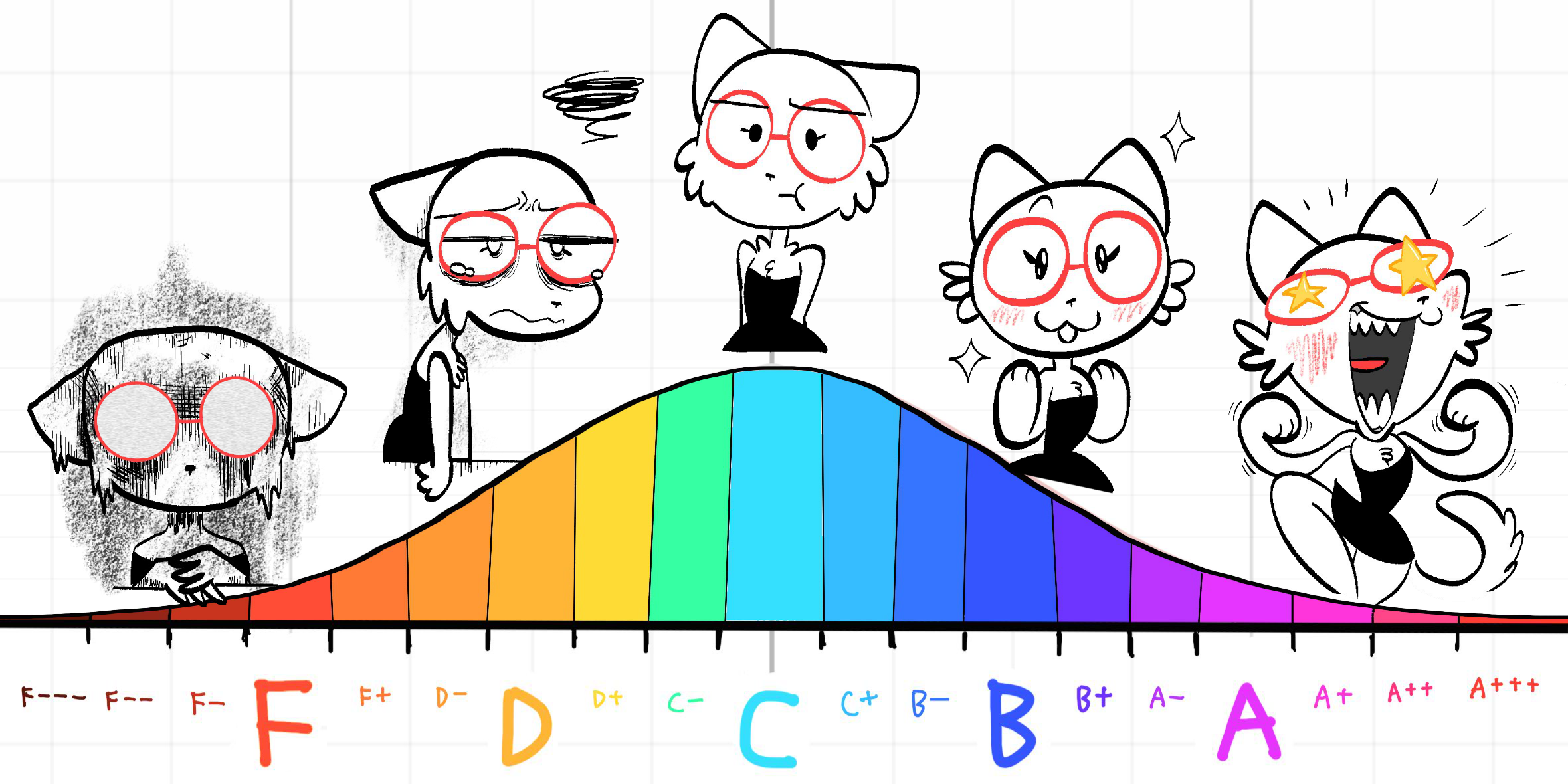
Analysts utilizing standardized effect sizes—a metric that contextualizes the impact of an intervention against inherent population variability, akin to translating statistical differences into familiar academic grades—are presenting compelling findings. The best-performing antidepressants, when measured against placebo, typically yield an effect size around 0.4, translating crudely to elevating a mental health baseline grade from a 'C' to a 'C+'.
In stark contrast, specific, high-dose interventions involving essential fatty acids and fat-soluble vitamins are showing statistically superior results. Omega-3 supplements, particularly those rich in EPA (around 1500 mg/day), demonstrated an effect size closer to 0.6 (C to B–). Even more strikingly, Vitamin D supplementation at 4000 IU/day exhibited an effect size near 1.0, suggesting a potential leap from a 'C' baseline to a 'B'—a magnitude of improvement twice that of the most effective antidepressants in current meta-analyses.
It is crucial to note the nuance: this research does not advocate for the wholesale abandonment of established pharmacotherapy. Instead, it strongly supports an additive model. These interventions are shown to be stackable, meaning patients can potentially enhance their treatment profile by supplementing prescribed medication with these low-risk nutritional supports. Furthermore, the efficacy of Vitamin D appeared significant even in populations not clinically deficient in the vitamin, though deficiency remains widespread.
As with any data suggesting 'easy wins,' skepticism is warranted. The source material itself cautions against the 'grifter' element often present in popular supplement discourse. However, the findings are derived from large-scale meta-analyses, synthesizing hundreds of trials. While policy and clinical guidelines often lag behind scientific consensus, the low-risk profile and accessibility of Vitamin D and high-grade Omega-3s position them as high-expected-value bets for proactive mental wellness management.
For individuals seeking to optimize their mental resilience, the takeaway is clear: review current dosage recommendations, which may be outdated and too low, and engage in informed discussion with healthcare providers. Unless specific contraindications exist (such as kidney issues or concurrent blood thinner use), exploring these evidence-backed nutritional avenues may offer a significant, low-cost enhancement to mental health strategies. This is a call for integrating robust nutritional biochemistry into the modern psychiatric toolkit, acknowledging that mental well-being is as much a product of systemic biochemistry as it is of neurological signaling. (Source: Analysis based on published meta-reviews cited in a recent statistical commentary on mental health interventions.)