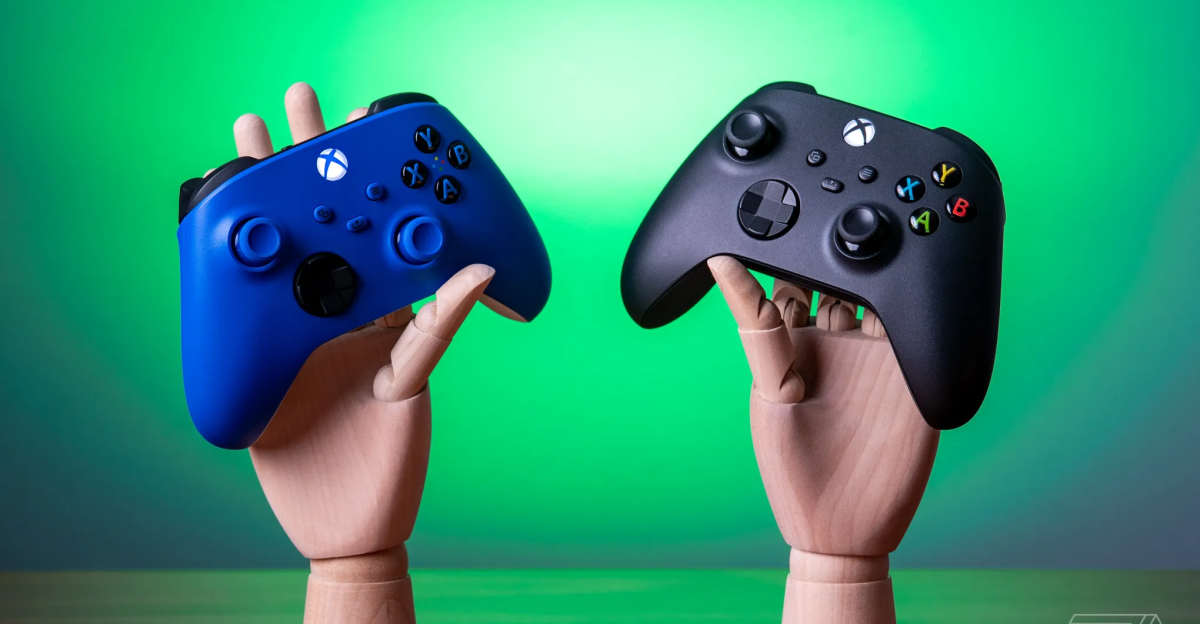
Microsoft’s Xbox Wireless Controller has reached its lowest market price this year during Amazon’s Big Spring Sale event. The gaming accessory dropped to $43.49 from its standard $64.99 list price across multiple major retailers globally. This significant discount provides consumers a timely opportunity to acquire a premium peripheral at a budget-friendly rate. The promotion targets both legacy console owners and new PC gamers seeking quality input devices.
According to The Verge, the black version currently holds the title for the lowest price seen at Amazon, Walmart, and Target stores. A white variant costs slightly more at $43.98, while a bundle including a USB-C charging cable sits at $44.99. These figures represent a reduction of 33% off the original manufacturing suggested retail price. Shoppers can find the deal across most major online retail channels. Inventory levels fluctuate daily based on purchase volume.
The hardware retains the textured grips and triggers that prevent finger slippage during intense gameplay sessions. Microsoft included a dedicated share button for saving clips and screenshots directly to the cloud or social networks. Such design elements remain crucial for maintaining comfort during extended gaming marathons. The button facilitates immediate content sharing without pausing the active session.
Connectivity options have expanded significantly since the initial launch of the Xbox Series X and Series S consoles. The controller now supports Bluetooth signaling alongside the proprietary Xbox Wireless protocol for console connections. Users can pair the device with PCs without requiring additional dongles or receivers. Low latency ensures responsive input during competitive multiplayer matches.
Compatibility extends beyond the Microsoft ecosystem to include the Steam Deck handheld gaming system. The peripheral functions identically on the handheld device as it does on the home console hardware. This cross-platform functionality increases the utility of the purchase for diverse gamers. Windows and Linux systems also recognize the input device natively.
Some users might utilize the controller with the upcoming Nintendo Switch 2 system through a third-party adapter. An 8BitDo USB Adapter 2 costs approximately $20 and allows the Xbox input device to connect to the dock. This solution supports only one paired controller at a time, limiting multiplayer options. Third-party accessories often bridge gaps between competing hardware ecosystems effectively.
Pricing strategies for gaming peripherals often fluctuate based on inventory cycles and seasonal promotions. Retailers frequently discount established hardware models to clear stock before new product launches occur. This sale aligns with typical patterns observed during major spring shopping events. Historical data suggests that discounts of this magnitude rarely appear outside of major holiday periods.
The inclusion of a USB-C port for charging indicates a shift toward modern power standards within the gaming industry. Older models relied on proprietary charging docks or AA batteries for power consumption. The new standard simplifies the charging process for owners of multiple devices. This change reduces the environmental impact associated with disposable battery waste.
Analysts suggest this pricing move could signal broader adjustments in Microsoft’s hardware margin strategy. Reducing peripheral costs might encourage wider adoption of the Xbox ecosystem across different platforms. Such tactics often aim to secure long-term service revenue rather than immediate hardware profit. Game Pass subscriptions frequently drive recurring income following hardware acquisition.
Consumers should monitor inventory levels closely as demand for discounted gaming gear often spikes rapidly. Availability may vary by region as the promotion progresses through the sale period. Future pricing trends will depend on the launch schedule for next-generation input devices. Comparison with Black Friday sales will reveal whether this represents a temporary anomaly.