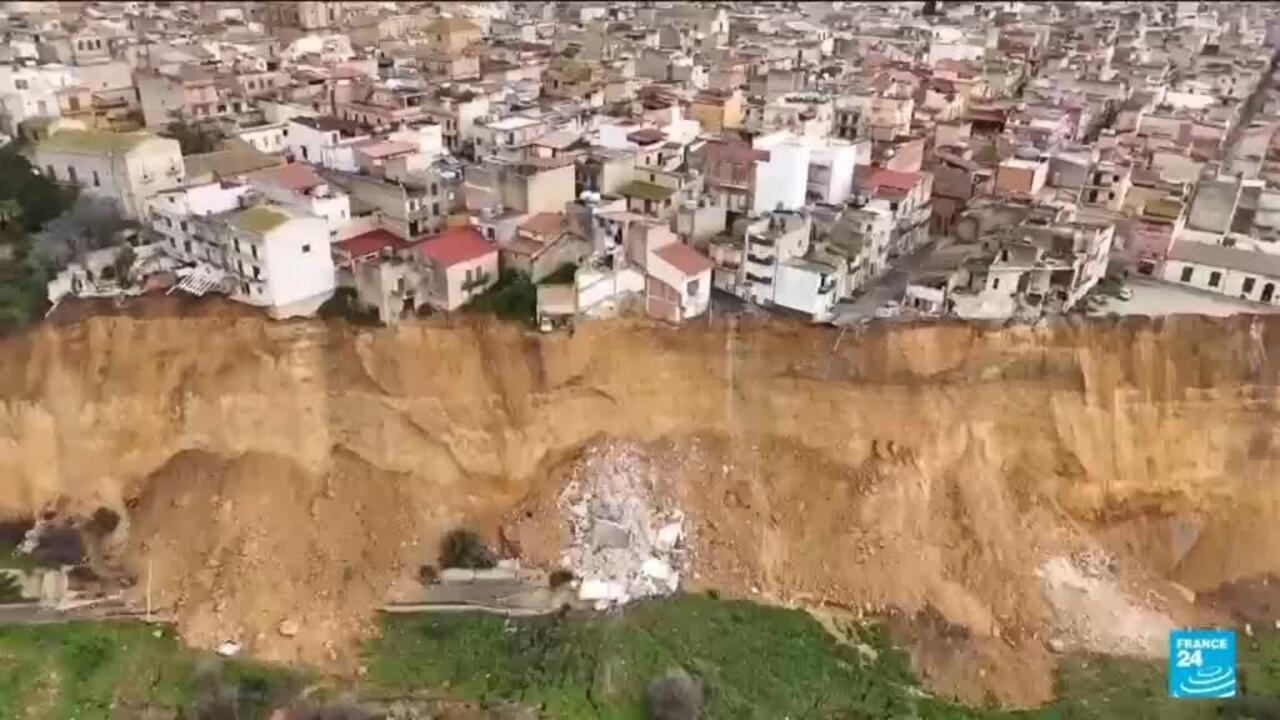
The Sicilian municipality of Niscemi entered a state of emergency after a significant portion of the hillside collapsed, stretching approximately four kilometres, according to reports from January twenty-fifth. This event necessitated the evacuation of around one thousand five hundred inhabitants, placing immediate pressure on local emergency services and infrastructure.
Geotechnical specialists have classified the affected area as a "red zone," indicating the immediate and unacceptable risk to human life and property. The town's location on inherently unstable terrain made it highly susceptible to failure following the intense weather system that recently battered the region.
While official reports confirm no fatalities or injuries resulted directly from the initial collapse, the primary concern now centers on the potential for secondary movements. Analysts suggest that subsequent rainfall could remobilize saturated soil, extending the fissure and threatening structures situated further up or down the slope.
Italian Prime Minister Giorgia Meloni traveled to the affected area on January twenty-eighth to assess the damage and coordinate national support efforts. The visit underscores the severity of the geological hazard and the immediate need for stabilization measures.
The economic fallout involves assessing the cost of reinforcing the terrain versus the long-term viability of rebuilding in the current location. Local governance faces complex decisions regarding urban planning and geological risk mitigation, issues common across vulnerable Mediterranean coastlines.
This incident highlights broader European vulnerability to increasingly extreme weather events linked to climate change, which saturate ground conditions and increase landslide frequency. International geological surveys often cite Southern Italy as a high-risk area for such catastrophic slope failures.
Authorities are currently monitoring ground movement continuously, utilizing specialized equipment to detect subtle shifts that precede major slips. The immediate focus remains on ensuring the safety of the evacuated population while engineers develop a strategy to secure the compromised hillside.