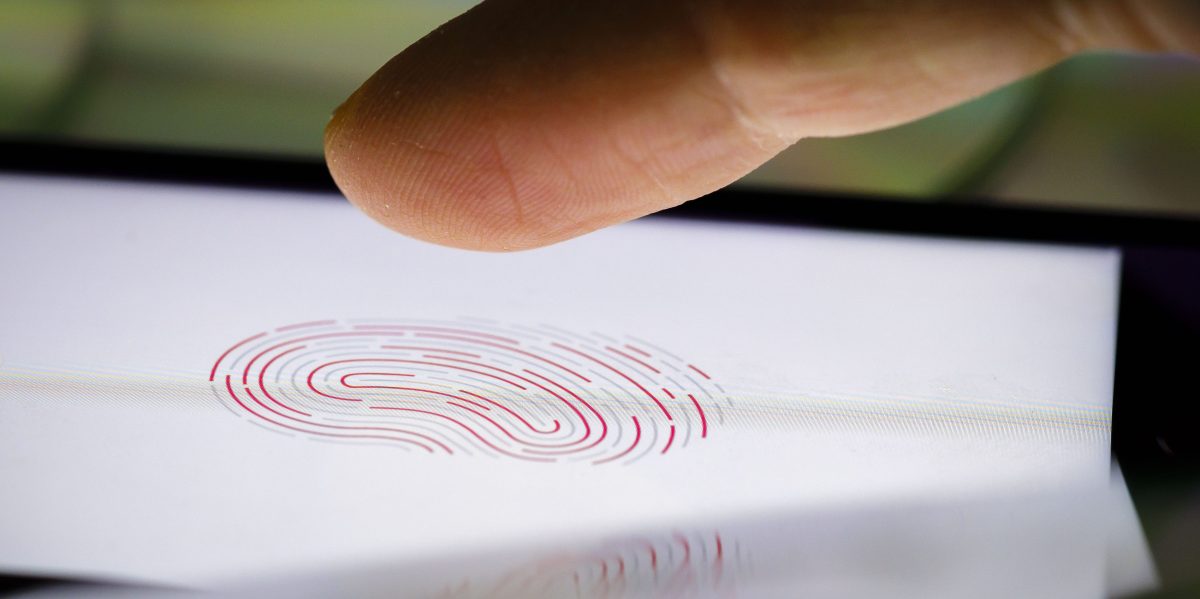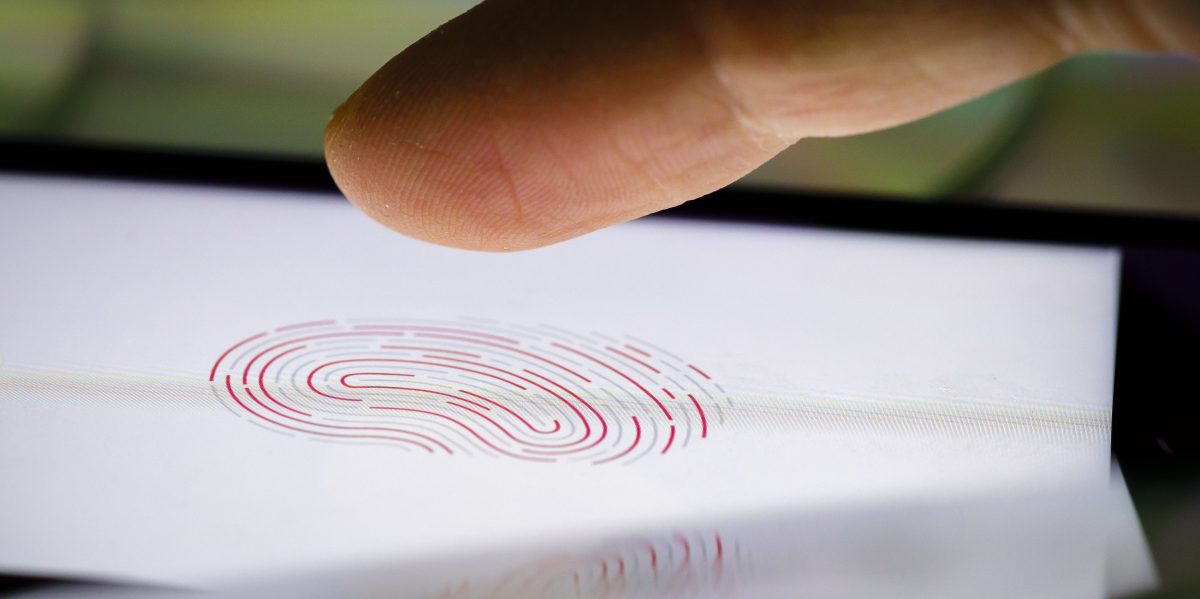
A federal search warrant executed on the home of Washington Post reporter Hannah Natanson included specific authorization for law enforcement to obtain her mobile phone and forcibly use her fingers or face to bypass biometric security, according to reporting by The Intercept. This provision grants federal agents permission to compel a person to unlock their device using physical characteristics, bypassing typical passcode requirements. The investigation stems from Natanson's alleged communications with government contractor Aurelio Luis Perez-Lugones, who faces charges related to retaining national defense information.
While the warrant permitted physical force to access biometric data, it reportedly included stipulations preventing investigators from inquiring about the specific type of biometric authentication Natanson utilized, such as which finger was registered. This nuance suggests an awareness by the authorizing body of evolving legal considerations regarding self-incrimination. The FBI declined to comment on the specific details of the warrant, and Natanson has not been charged with any crime.
Andrew Crocker, surveillance litigation director at the Electronic Frontier Foundation, noted that while compelling biometric access is not unprecedented, the specificity of the limitations may reflect recent case law developments. The D.C. Circuit Court reportedly held in a prior case that forcing biometric unlocking can constitute 'testimony' protected by the Fifth Amendment. This protection appears stronger when law enforcement must coerce the subject into demonstrating which specific biometric feature unlocks the device.
Crocker asserted that courts should ultimately treat biometric locks as constitutionally equivalent to traditional, complex alphanumeric passphrases. The current legal standing, he suggested, risks making fundamental constitutional rights dependent upon the technical convenience offered by modern security features. This ongoing legal debate centers on whether unlocking a phone via a scan constitutes providing knowledge versus simply providing physical access.
Journalists and activists have long been advised by security experts to disable biometrics when anticipating high-risk interactions, such as border crossings or protests, where device seizure is a possibility. Martin Shelton, deputy director of digital security at the Freedom of the Press Foundation, recommended disabling these features entirely in situations where device searches are anticipated. He advised reliance on a robust alphanumeric passphrase for superior constitutional protection.
Conversely, some privacy advocates point out specific scenarios where biometrics offer a marginal privacy advantage, such as preventing 'shoulder surfing' when entering a complex passphrase in a public area. However, the risk of forced physical compliance generally outweighs this benefit in scenarios involving law enforcement interaction. Turning devices completely off is another recommended safeguard, as it places the device into an encrypted state until the next manual passphrase entry.
The incident serves as a critical reminder of the divergence between user convenience and legal protections in digital forensics. As device encryption strengthens, law enforcement increasingly seeks avenues, such as biometric compulsion, to rapidly gain access to data. The outcome of ongoing legal challenges will significantly shape digital privacy rights in the context of physical searches.