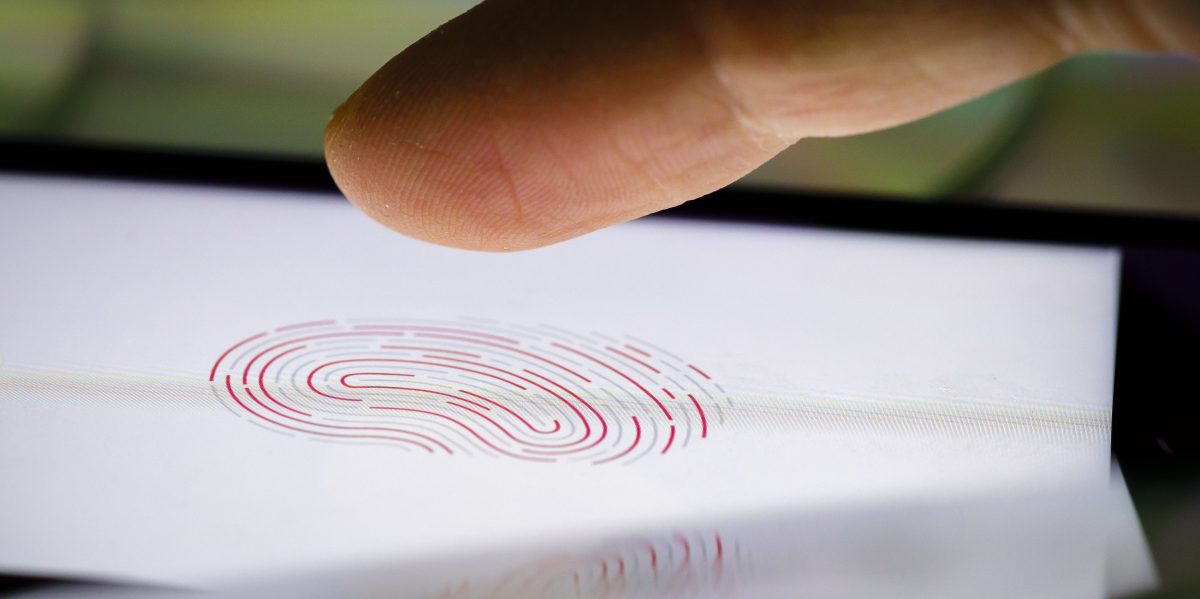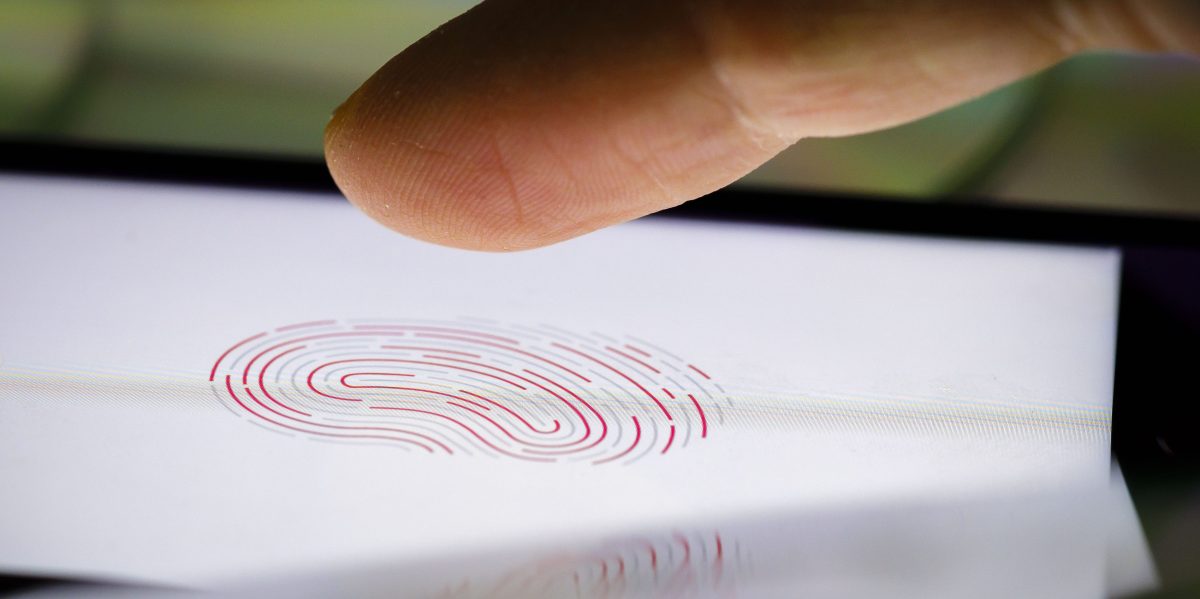
A federal raid executed on the home of Washington Post reporter Hannah Natanson included a search warrant section explicitly authorizing agents to use biometric means, such as fingerprint or facial scanning, to access her mobile phone. According to reporting by The Intercept, the warrant detailed permission to hold the device in front of her face or forcefully use her fingers to bypass security measures. This incident serves as a significant data point regarding the evolving legal treatment of biometric data during law enforcement seizures.
It remains unclear whether Natanson utilized biometric authentication on the seized devices or if federal personnel attempted to employ this authorization. The investigation reportedly centers on Natanson’s alleged communications with government contractor Aurelio Luis Perez-Lugones, who faces charges related to the unlawful retention and transmission of national defense information. Neither Natanson, the Washington Post, nor the FBI provided comment on the specific warrant execution.
The warrant introduced notable stipulations, specifically prohibiting investigators from questioning Natanson about the type of biometric authentication she employed, such as which specific finger was registered. Andrew Crocker, surveillance litigation director at the Electronic Frontier Foundation, suggested this limitation may reflect recent case law developments. He cited a D.C. Circuit ruling from the previous year which suggested biometric unlocking could constitute compelled 'testimony' protected under the Fifth Amendment.
Crocker further articulated the EFF’s position that biometric locks should receive constitutional protection equivalent to alphanumeric passcodes, arguing that self-incrimination rights should not hinge on technological convenience. While traditional passcodes offer stronger legal protection against forced disclosure, biometrics offer speed and convenience, which often encourages user adoption.
This event reinforces long-standing advice from digital security advocates directed at journalists and activists operating in high-risk environments, such as border crossings or protests. Martin Shelton, deputy director of digital security at the Freedom of the Press Foundation, previously advised that professionals expecting potential searches should disable biometric access entirely.
Instead of relying on fingerprints or facial recognition, security experts recommend using strong, complex alphanumeric passphrases for maximum protection against coercion. Additionally, powering down a device completely places it into an encrypted state until the next manual unlock, offering another layer of defense against immediate data access.
The implications extend beyond journalism, signaling to all technology users that the legal framework surrounding mandatory disclosure of biometric data remains contested territory. As device security features become increasingly integrated into daily life, legal precedents established in these high-profile seizures will shape future digital rights.