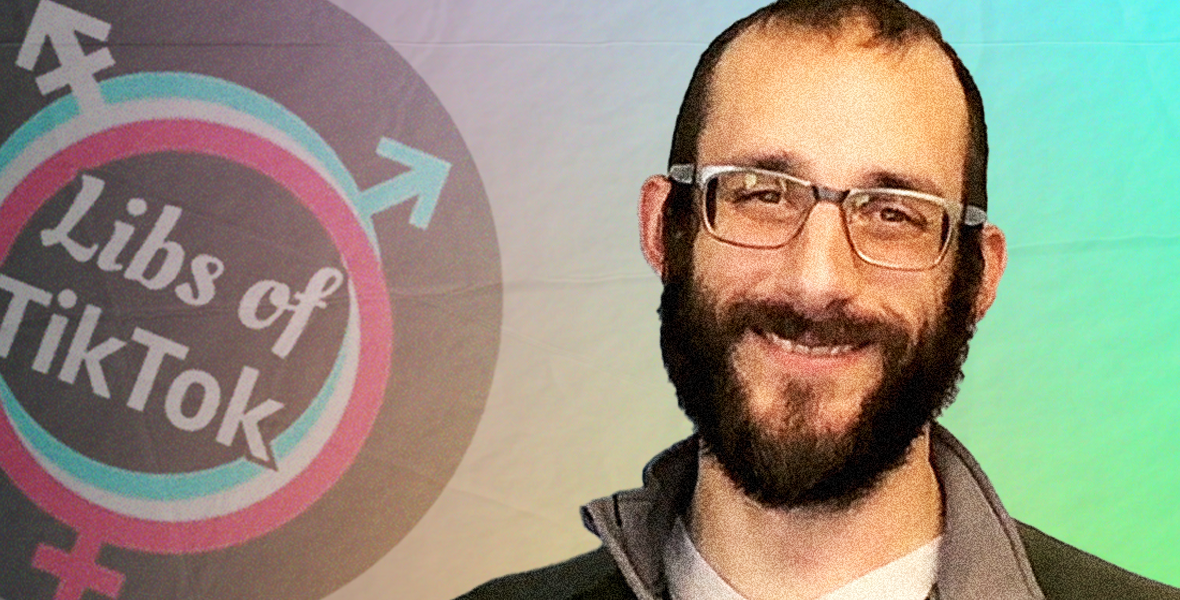
Chaya Raichik, who manages the social media platform Libs of TikTok, has reportedly targeted numerous working professionals across several states following the killing of Alex Pretti. The individuals targeted included teachers, nurses, and school board members who had voiced opposition to Immigration and Customs Enforcement (ICE) or shown solidarity with Pretti, according to a report by Media Matters for America.
Raichik’s methodology appears centered on disseminating identifying details—including names, photographs, and employers—of these individuals across social platforms. The stated intent, as suggested by the content shared, is to incite professional repercussions or public harassment against those whose political views diverge from the account's position regarding ICE or Pretti.
One Rhode Island educator reportedly referred to Pretti and Renee Good as "courageous heroes" in an Instagram post. Raichik allegedly reposted this content, tagging the educator’s school and questioning parental awareness of the teacher's sentiments, as detailed by Media Matters.
Similarly, an elementary teacher was targeted for participation in an anti-ICE Signal chat group. Raichik reportedly tagged the teacher’s school, questioning if parents condoned the teacher's alleged involvement in coordinating resistance against federal agents.
A Maine school board member faced scrutiny after suggesting the distribution of whistles at local protests. Raichik published the official’s profile and school contact information, implying the whistles were intended for use in disruptive anti-ICE demonstrations.
In North Carolina, a registered nurse reportedly commented that ICE agents better hope they never require hospital care following the incident. Raichik labeled this comment a threat against federal agents, tagging the nurse’s employer and petitioning the North Carolina Board of Nursing to revoke the individual's professional license.
This campaign of targeted publication extended to commercial entities, with Raichik reportedly urging followers to boycott a bakery producing anti-ICE themed cookies. The pattern suggests a strategy of applying professional or commercial pressure based on expressions of political dissent or sympathy.
The ongoing dissemination of private data onto public forums to induce employment action illustrates a growing vector of digital conflict. Observers are monitoring how institutions respond to these coordinated campaigns aimed at professionals based on their constitutionally protected speech.