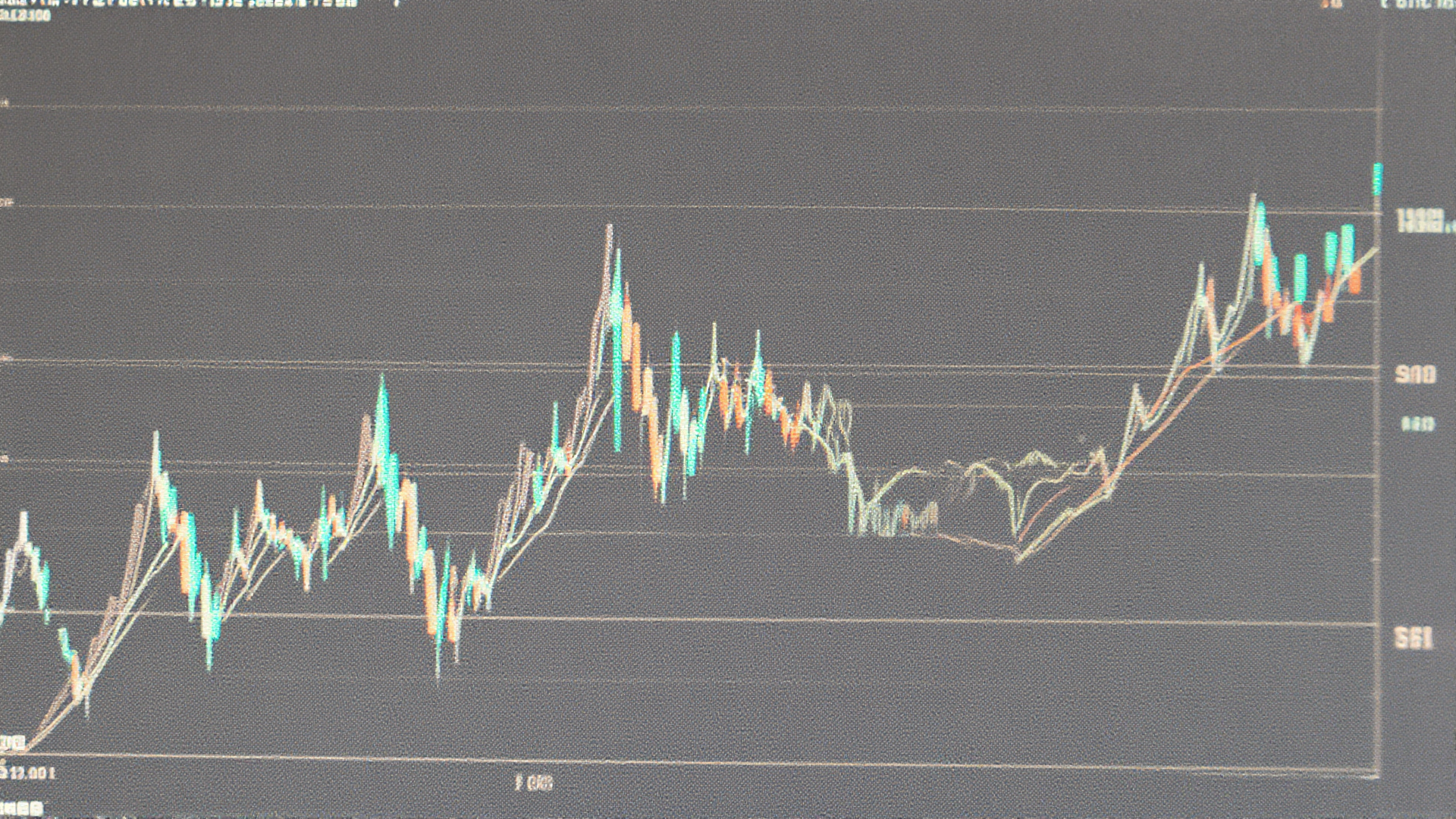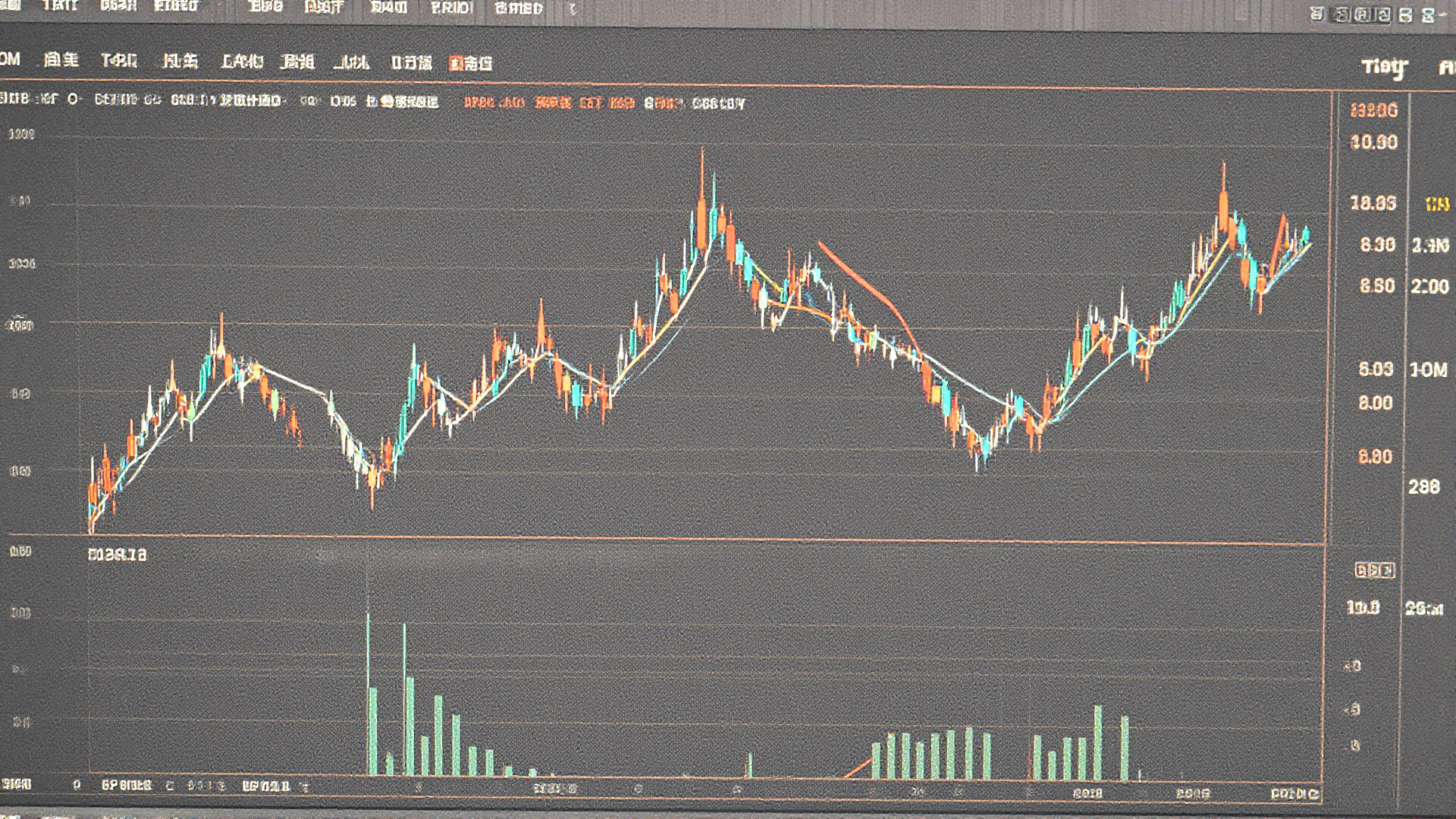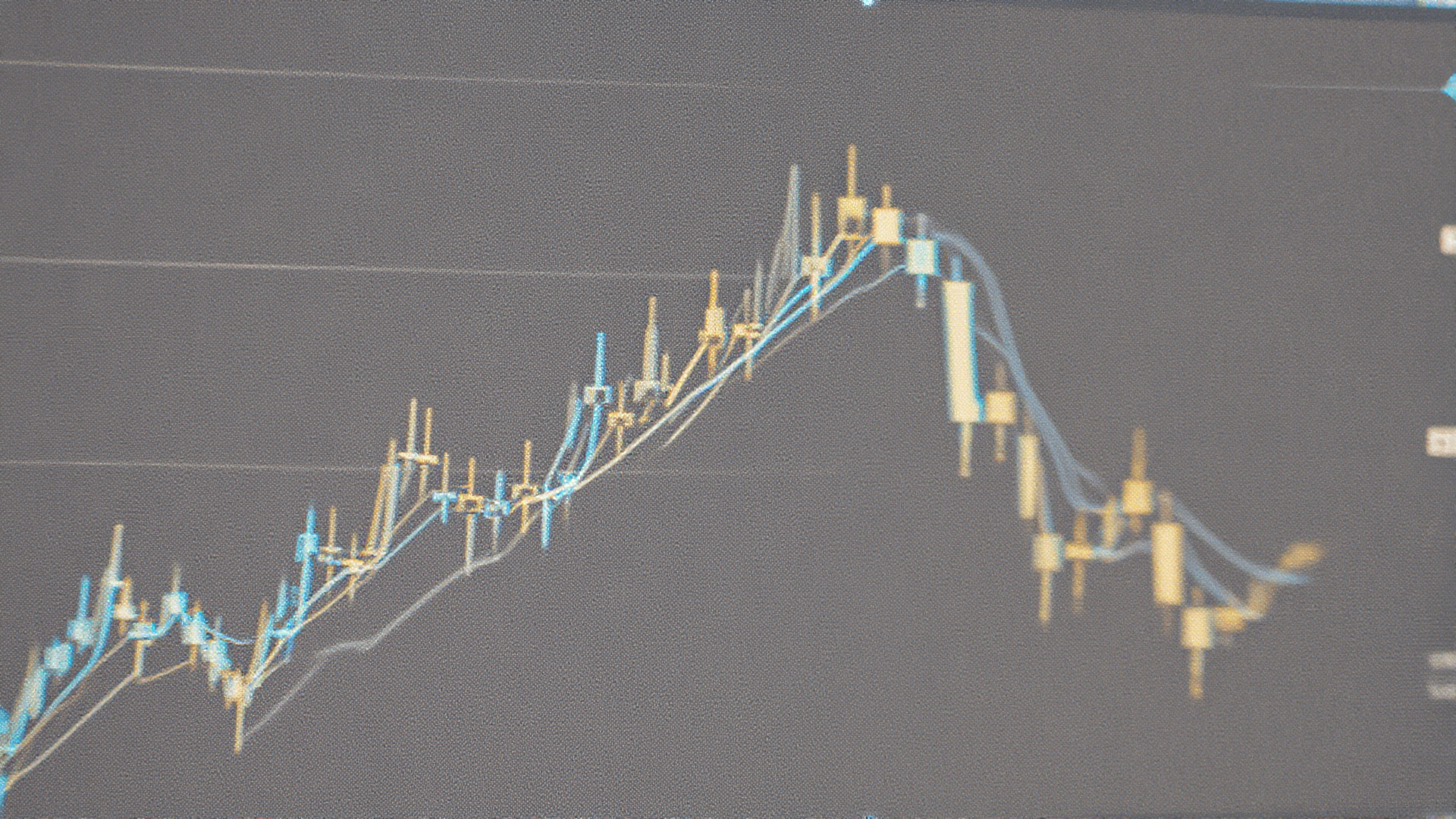
Ripple's native token XRP currently trades near $1.41 as market participants observe a tightening consolidation pattern that suggests a potential breakout. According to CoinDesk data published on March 25, 2026, price action remains strictly contained within a narrow band between $1.38 and $1.43. Neither buyers nor sellers have established dominant control over the order book, creating a compressed environment typical of a pre-breakout phase. Analysts note that the duration of this compression increases the probability of a subsequent sharp directional move in the coming days.
Traders are closely monitoring the $1.38 support level and the $1.42 resistance zone as critical inflection points for the asset's immediate future. Recent price action shows XRP gained approximately 0.6% during the session, moving steadily from the lower boundary toward the middle of the established range. Sellers continue to cap upside gains near $1.42, while buyers actively defend dips to form higher lows on the technical chart. This balance indicates a stalemate that requires external volume to resolve.
On-chain data reveals that whale wallets accumulated roughly 40 million XRP over the past seven days of trading activity. This accumulation activity suggests significant interest from larger holders during the current period of market consolidation and low volatility. Such behavior often precedes major price movements as capital positions itself ahead of anticipated volatility in the broader market. Large transactions are moving off exchanges, signaling a shift toward long-term holding strategies rather than immediate speculation.
Market sentiment remains tightly tied to broader macroeconomic conditions rather than specific token-specific catalysts or utility updates. The wider cryptocurrency sector reacts cautiously to shifting expectations regarding interest rates and global liquidity injections from central banks. XRP tracked the general market trajectory without major deviations from the performance of Bitcoin or Ethereum during this window. Analysts suggest that macro stability is currently the primary driver for the asset's lack of directional momentum in the short term.
Technical indicators suggest the structure resembles a compression setup where price coils tightly before a larger expansion occurs. Volume remains slightly elevated but lacks the necessary strength to confirm a definitive breakout at this specific moment in time. Higher lows indicate buyers are slowly stepping in despite the lack of strong follow-through momentum from institutional participants. Market structure analysis implies that patience is necessary to avoid false signals during this tightening period of price action.
Market observers anticipate a break above $1.42 to target price levels between $1.45 and $1.50 in the near future. Conversely, a failure to hold the $1.38 support could open downside risks extending toward $1.30 if selling pressure intensifies. Shaurya Malwa, the analyst covering the token for CoinDesk, noted that the next move depends on a decisive break on either side of this range. Traders should wait for confirmation before committing capital to long or short positions based on these projections.
This consolidation phase contrasts sharply with previous periods of high volatility seen in the digital asset space over recent years. Institutional demand continues to grow, as evidenced by platforms like STS Digital launching structured products for high-net-worth individuals globally. The current stability may reflect a maturation in how these assets integrate with traditional financial infrastructure and banking systems. BlackRock recently noted that artificial intelligence could drive the next bull phase despite fading altcoin interest among retail investors.
Investors should watch for upcoming market catalysts that could disrupt the current equilibrium and trigger a significant price shift. The upcoming Consensus 2026 conference in May may provide additional context for institutional adoption trends across the blockchain industry. Until a clear signal emerges, traders must remain prepared for potential swings in either direction based on volume spikes. Regulatory developments in the United States will also play a critical role in shaping future price action and market confidence.