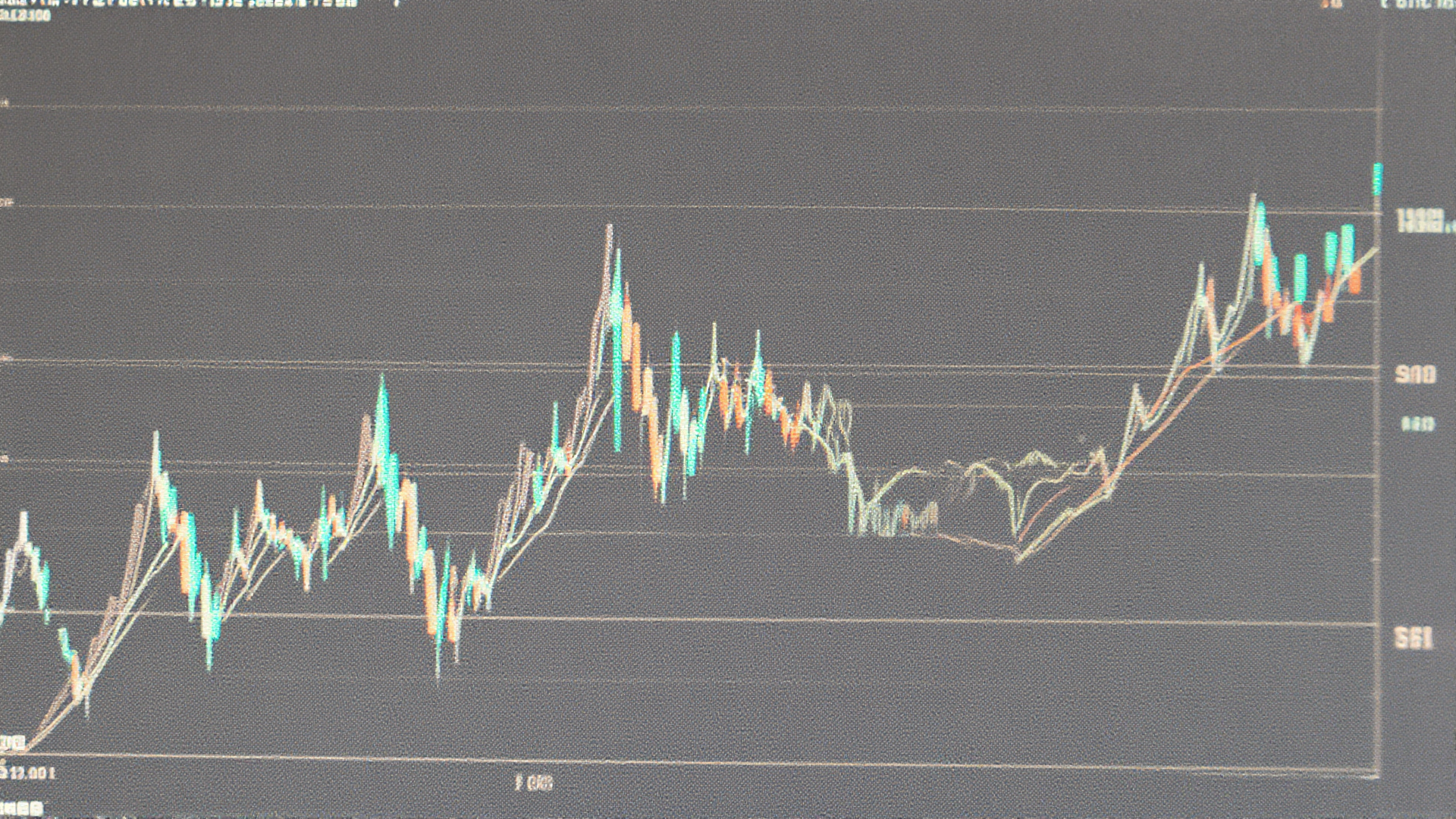
Market analysts suggest Bitcoin may have already bottomed near 60,000 following a period of extreme price turbulence across global crypto exchanges. Implied volatility indicators reached levels consistent with previous cycle lows as of late March 2026. Traditional finance markets continue to reel in uncertainty while crypto assets signal a potential turnaround for institutional investors.
Deribit’s Derivatives Volatility Index and Volmex’s Bitcoin Implied Volatility surged to 90% in early February during the sharp correction. These metrics reflect elevated expected price turbulence over the coming four weeks during the crash event. Historically, such spikes have coincided with peak panic and capitulation events where prices hit significant lows.
Bitcoin volatility peaked in February, whereas the VIX only surged weeks later to a one-year high of 35%. The traditional fear gauge remains below prior crisis highs seen during the April 2025 dislocation in global markets. This divergence indicates traditional markets are still adjusting to the shifting risk landscape and asset correlations.
Similar volatility patterns marked the August 2024 bottom near 50,000 and the November 2022 collapse following the FTX failure. In those instances, implied volatility jumped to 90% before prices stabilized below 20,000 for extended periods. Analysts from major financial firms view this current data as a strong signal that the downtrend from October highs has finally ended.
The introduction of spot Bitcoin exchange-traded funds in early 2024 altered market structure significantly for all major participants. Implied volatility has now emerged as a fear gauge similar to the VIX for long-term investors seeking alpha. This dynamic mirrors Wall Street strategies where high fear triggers systematic purchases to capture mean reversion.
Quantitative mean reversion funds use models where volatility deviating higher significantly triggers an automated increase in equity leverage. Many Wall Street strategies use the VIX as a background indicator to trigger these systematic equity purchases, according to quantitative fund managers. A super high index generally represents a strong contrarian buy signal for those watching the data closely.
Regulatory uncertainty simultaneously pressured Circle stock, which plunged 18% on March nine amid legislative fears. A new draft of the U.S. Clarity Act raised the prospect of strict limits on stablecoin rewards and yields. Coinbase shares dropped about eight% alongside Circle following the legislative announcement in Washington.
The proposed legislation would bar rewards on passive stablecoin balances and ban structures economically equivalent to interest. This change threatens a key incentive that has fueled USDC adoption throughout the digital asset sector. Rival Tether moved to bolster confidence by hiring a Big four accounting firm for a full audit of reserves.
If history serves as a guide, the Bitcoin downtrend that began in October at highs above 126,000 has already ended. Investors should monitor whether price action sustains above the 60,000 support level without significant retest. The confluence of technical bottoms and regulatory news creates a complex environment for capital allocation decisions.
Market participants will watch for sustained price action and further regulatory outcomes in the United States over the coming months. The alignment of crypto volatility with traditional finance suggests deeper integration is occurring between asset classes. Future moves in the VIX may provide additional confirmation of the broader market direction and sentiment.