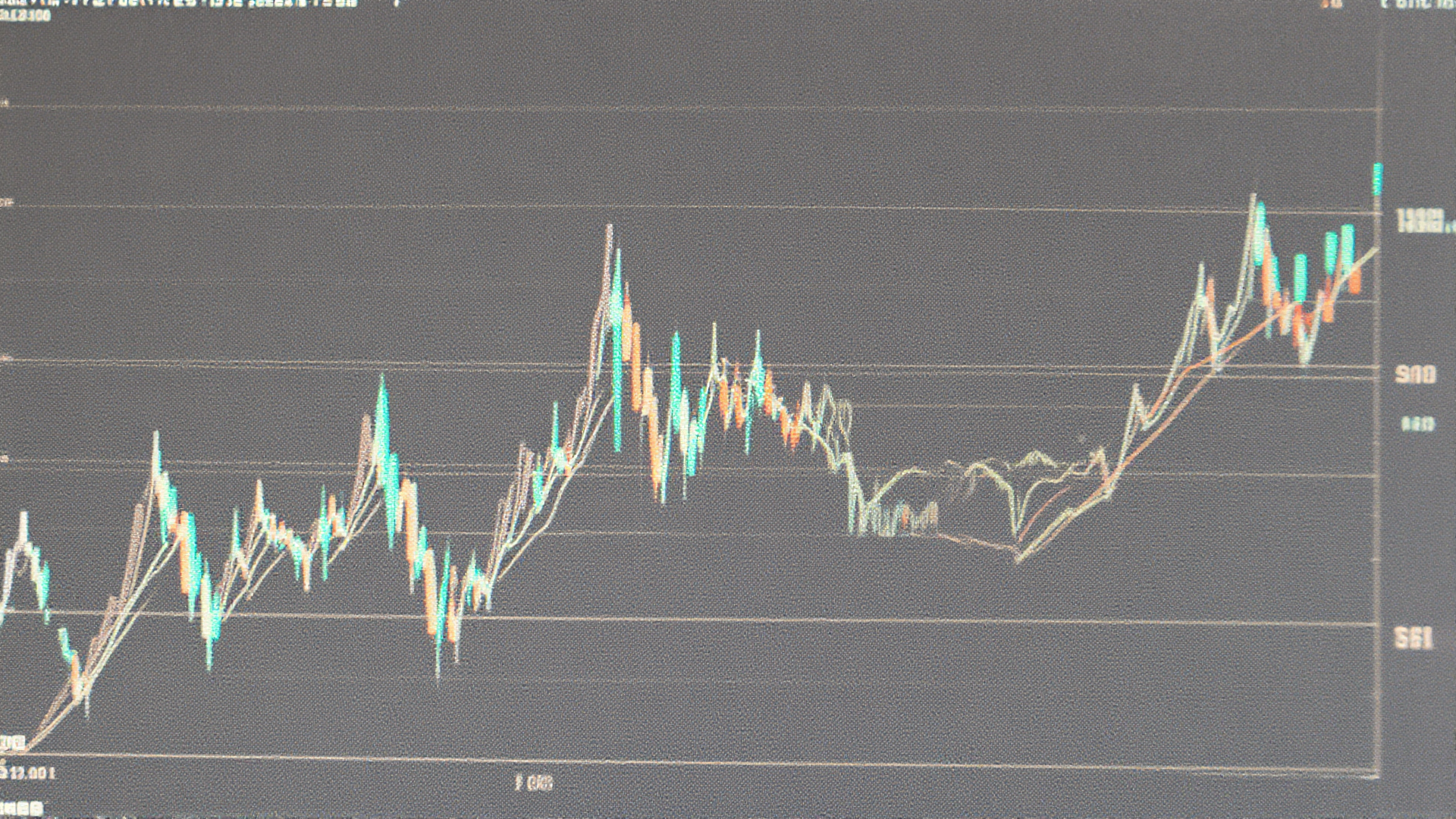
Bitcoin held above $70,000 on Monday following President Donald Trump’s announcement of a five-day pause on strikes against Iranian energy infrastructure. Markets reacted positively to the news, with digital assets and traditional equities rallying as investors anticipated reduced geopolitical friction. The stabilization attempt hinges on whether diplomatic talks between Washington and Tehran yield tangible results within the specified timeframe. This development marks a critical testing ground for risk assets in a volatile global economy.
Altcoins including ether, solana, and dogecoin rose approximately 5% during the trading session. Bitcoin hovered just below $71,000 later in the session, representing a 3.8% gain over the past 24 hours. This movement suggests that cryptocurrency markets remain highly sensitive to macro-level geopolitical developments. The correlation between energy conflict and digital asset performance continues to strengthen among institutional traders.
Crypto-linked mining stocks rallied alongside broader equity markets, with the S&P 500 and Nasdaq each closing roughly 1.2% higher. Hut 8 jumped more than 11%, while Bitfarms, Cipher Mining, and Riot Platforms advanced between 6% and 7%. These miners increasingly trade in line with artificial intelligence infrastructure plays, reflecting a shift in sector correlations. The broader market rally provided a tailwind that lifted all vessels in the digital asset ecosystem.
Jasper de Maere, an OTC trader at Wintermute, stated that the macro ceiling has shifted based on the temporary pause. He noted that how much room opens up depends on the next five days of diplomatic activity. Traders must monitor oil prices and shipping flows through the Strait of Hormuz to gauge market direction. Inflation risks remain a primary concern if energy supply chains face renewed interruptions during this window.
If oil stabilizes and shipping flows normalize, inflation concerns could ease, allowing rate-cut expectations to return. In that scenario, bitcoin could make another run at the $74,000 to $76,000 range, which has capped rallies in recent weeks. A breakdown in talks or renewed supply disruption would likely push prices back toward the mid-$60,000s. De Maere emphasized that the current price action is contingent on the duration of the cease-fire.
Iranian officials denied the existence of talks, yet markets largely brushed off the contradiction with risk assets holding firm. The temporary pause has eased immediate pressure in energy markets, though traders should treat the rebound cautiously. This volatility highlights the interconnected nature of energy pricing and digital asset valuation. Skepticism remains regarding the longevity of such diplomatic pauses without formal agreements.
Separately, a new venture capital firm called 5c(c) Capital is launching to invest in companies built around prediction markets. The fund aims to raise up to $35 million to back about 20 early-stage startups over two years. Backing includes the CEOs of Polymarket and Kalshi, signaling strong industry confidence in event-based trading. This capital injection targets the infrastructure layer rather than just speculative trading venues.
The fund focuses on infrastructure and services such as data tools, liquidity provision, and compliance systems rather than exchanges alone. Rapid growth in prediction markets has attracted more than 20 early investors, including a Millennium Management portfolio manager. This diversification indicates maturation within the crypto-adjacent investment environment. Venture capital is increasingly viewing prediction markets as a viable sector for long-term growth.
Investors should watch for confirmation of the diplomatic pause and how it impacts oil prices in the coming week. The prediction market sector also warrants attention as institutional capital begins to flow into specialized infrastructure plays. Both developments will influence risk appetite across the broader technology and financial sectors. Market participants will likely re-evaluate asset allocation strategies based on these evolving geopolitical and financial signals.