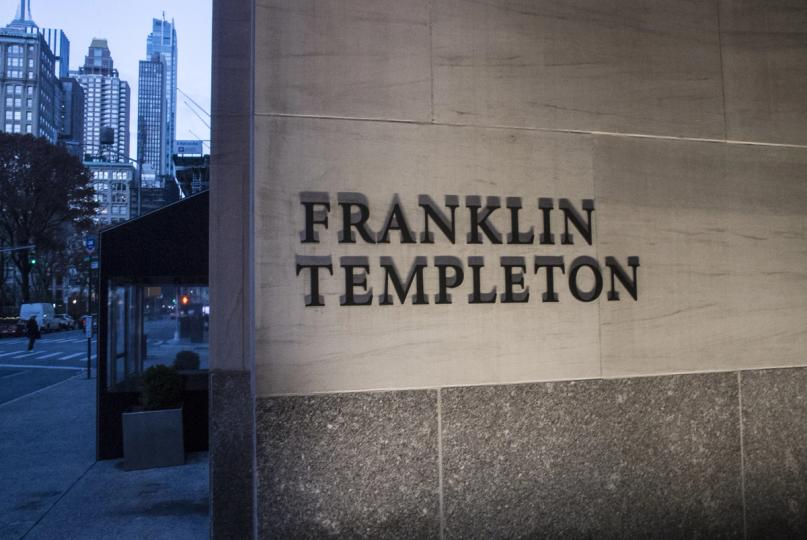
Franklin Templeton announced a strategic partnership with Ondo Finance to integrate traditional asset management with blockchain infrastructure. The collaboration aims to launch tokenized versions of stocks and exchange-traded funds for crypto-native investors seeking modern access to capital markets. This move leverages Franklin Templeton’s $1.7 trillion in assets under management to expand global market access significantly for digital users.
Ondo Global Markets will issue the blockchain-based tokens backed by real-world assets like publicly traded securities. Users can hold these tokens in digital wallets to gain exposure without opening a traditional brokerage account or dealing with complex paperwork. The tokens track the value of underlying securities to ensure accurate reflection of market prices at all times. This structure allows for direct ownership through wallets rather than relying on custodians.
Franklin Templeton supplies the investment products and provides education programs for users unfamiliar with portfolio strategies. The firm plans to support the rollout specifically for individuals seeking long-term financial growth outside standard banking hours. This educational component addresses the knowledge gap often found in decentralized finance adoption among retail participants globally. The initiative seeks to reduce risk for new entrants by providing guidance on asset allocation.
Ondo Global Markets launched in September 2025 and reports over $620 million in total value locked within its ecosystem. The platform has processed more than $12 billion in trading volume across 60,000 active users since its inception. These metrics indicate strong demand for seamless integration between crypto infrastructure and traditional finance markets. The growth suggests that traders are willing to embrace new technologies for accessing established financial instruments.
Demand stems from users wanting exposure to traditional markets without cross-border accounts or currency conversions limiting their options. Participants can trade around the clock rather than adhering to standard market operating hours found in legacy systems. This flexibility removes friction often associated with intermediaries like banks and clearing houses during settlement. Efficiency gains could lower costs for investors over time.
The partnership builds on a trend where large asset managers test blockchain rails to distribute products to a wider audience. BlackRock has previously explored tokenized funds and onchain settlement options to improve efficiency for clients. Several major financial players are now weighing how to defend their role as gatekeepers in a changing ecosystem. Industry observers note that institutional interest in digital rails is accelerating rapidly.
Tokenization could reshape how assets move and who can access them within the global economy moving forward. Regulatory bodies have yet to fully address how these instruments should be treated when they cross borders digitally. Compliance frameworks remain a critical hurdle for widespread institutional adoption in the sector over the next few years. Legal clarity is essential before these products can achieve true mass market penetration.
Competition is building as a growing list of firms now offer tokenized funds to retail and institutional clients globally. If blockchain-based distribution gains traction, it could challenge the advantage long held by banks and brokers. The outcome will depend on how regulators define the status of these digital securities in local jurisdictions. Market leaders must adapt quickly to maintain relevance in this shifting environment.
For Ondo and Franklin Templeton, the bet is that investors prefer a model blending familiar assets with new rails for settlement. The firms aim to prove that traditional finance can operate efficiently on decentralized networks without losing security. Future developments will likely reveal whether this approach scales beyond early adopters into the mainstream. Success depends on sustained user engagement and regulatory support.
Startale Group is also building blockchain tools for financial firms and retail users in the region recently. This broader ecosystem includes stablecoins and consumer apps designed for tokenized securities to improve accessibility. The expansion of such tools suggests a maturing infrastructure for digital asset management across the region.