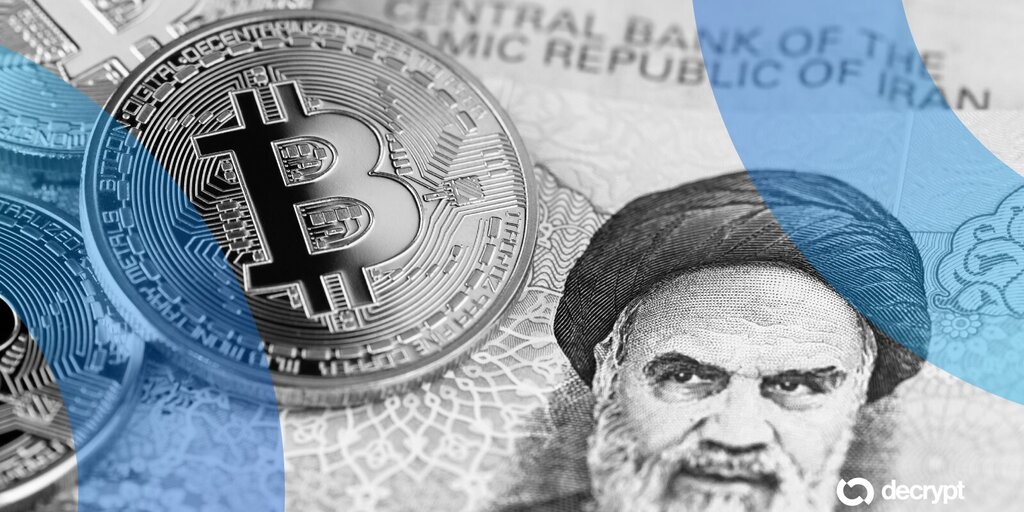
Bitcoin prices have declined over the past week, yet the asset has demonstrated notable resilience compared to broader equity markets amid escalating geopolitical tensions in the Middle East since the conflict began on February 28. The largest cryptocurrency by market cap remains a primary focal point as investors navigate the complex impact of the ongoing Iran conflict on global risk assets and capital allocation. This divergence highlights shifting dynamics in how digital assets interact with traditional financial instruments during periods of significant market stress.
Trading data from CoinGecko indicates Bitcoin hovered around $68,000 on Sunday, reflecting a 2% drop within the last 24 hours across major exchanges. Over the past seven days, the asset experienced a roughly 6% decline, marking a period of correction following recent volatility. These figures place the digital store of value in a precarious position relative to its recent highs, though the trajectory differs significantly from traditional stock markets experiencing sharper losses.
The broader market pullback coincides with the fourth week of conflict between Iran and international forces, driving crude oil prices upward toward $100 a barrel. Tensions escalated over the weekend after President Donald Trump issued a 48-hour ultimatum regarding the Strait of Hormuz shipping lane. Tehran responded by threatening to close the vital shipping lane and target energy infrastructure linked to the United States. This escalation creates a systemic risk for global trade that has historically correlated with volatility in both commodities and equities.
U.S. stocks have now fallen for four consecutive weeks, signaling deepening concern among Wall Street participants regarding future economic growth and stability. The S&P 500 recently broke below its 200-day moving average, a technical threshold institutional investors monitor closely for trend confirmation and sentiment shifts. This breach occurred for the first time since March of the previous year, underscoring the severity of the current equity drawdown.
Equities in the S&P 500 and Nasdaq have declined between 4% and 5% this month according to Google Finance data released earlier this week. In contrast, Bitcoin posted a monthly loss of just 0.2%, suggesting the cryptocurrency is holding value better than traditional risk assets. Market analysts attribute this relative stability to earlier deleveraging within the crypto ecosystem and sustained institutional participation throughout the downturn.
John O’Loghlen, managing director for APAC at Coinbase, stated that Bitcoin has materially outperformed traditional assets on a risk-adjusted basis since the conflict began. He noted that oil is becoming an active transmission channel for global inflation, which is driving capital flows into crypto and U.S. Bitcoin ETFs. According to O’Loghlen, the firm is observing rising institutional interest despite the macroeconomic headwinds facing the broader economy.
O’Loghlen added that there are early indications the crypto market might have passed its peak pessimism, though stronger participation remains necessary for sustained momentum. He emphasized that durable rallies require more than just defensive positioning against inflation shocks and geopolitical uncertainty. This sentiment suggests a potential shift in market psychology among large holders who previously waited for clearer signals.
Nischal Shetty, founder of WazirX, described the crypto market as entering a steady consolidation phase with visible signs of institutional strength and accumulation. He observed Bitcoin holding support near the lower end of its recent range while facing resistance near previous highs. Buyers remain active despite the uncertainty surrounding global macroeconomic conditions and energy prices affecting the commodity sector.
A mid-March report from VanEck supported these observations by finding that long-term holder selling has slowed significantly. Transfer volume declined across older coins, indicating experienced investors are reducing distribution pressure on the network during price dips. This behavior often precedes periods of accumulation where long-term holders retain assets rather than cashing out.
Analysts predict the next significant move for Bitcoin will depend on upcoming macroeconomic data releases. Flash PMI readings from major economies and further fluctuations in oil prices will shape expectations for inflation and interest rates globally. Investors will watch these metrics closely to determine if risk-on sentiment can return to the broader market and support asset prices.