Elon Musk’s artificial intelligence lab xAI is undergoing a significant personnel overhaul this week.
The company admitted its initial strategy failed to produce competitive coding tools for developers.
Musk stated the organization was not built right the first time around on his social platform X.
This marks the third major shift in strategy since the lab launched.
Of the 11 original co-founders who launched the deep learning lab three years ago, only two remain.
Zihang Dai and Guodong Zhang departed this week following complaints about product performance during reviews.
Musk noted the remaining team must rebuild from the foundations up to meet industry standards.
These departures signal a deep dissatisfaction with the current technical direction.
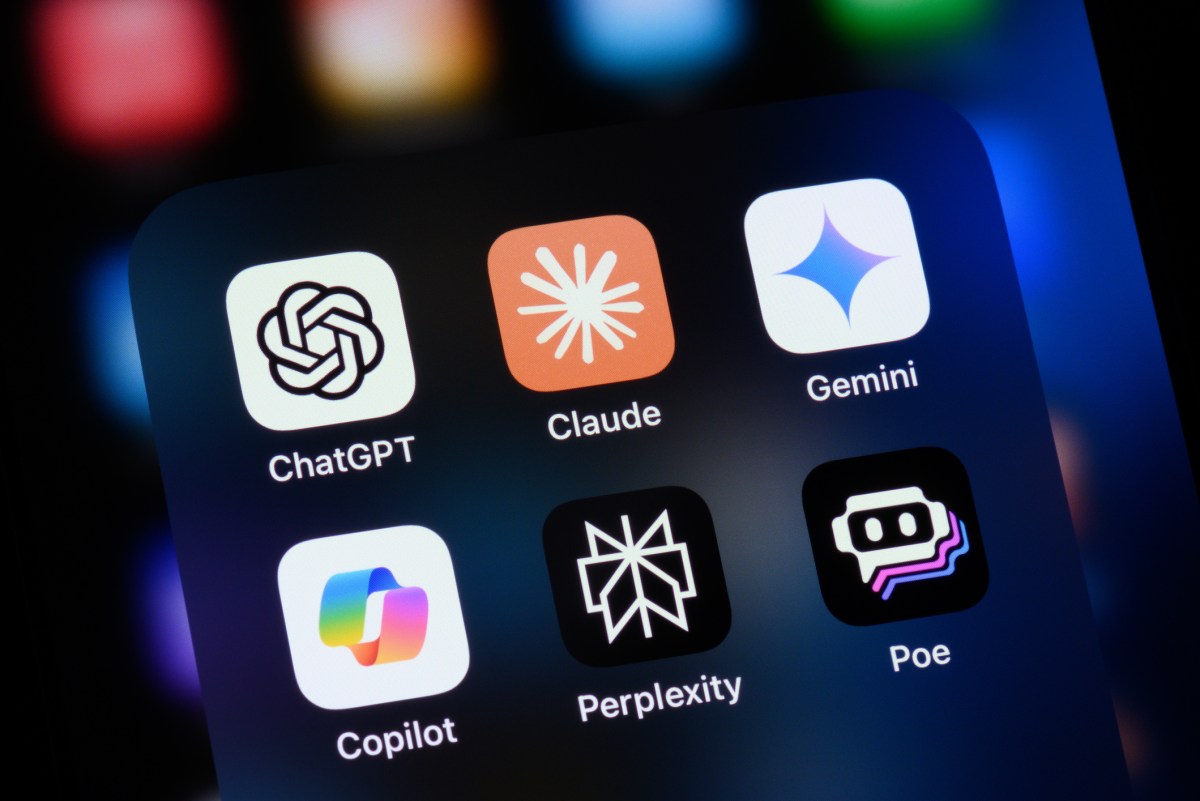
The immediate pressure stems from competition with rivals like Anthropic and OpenAI in the software sector.
xAI’s AI coding tools lag behind products such as Claude Code and Codex from competitors.
Musk held an all-hands meeting on Wednesday to address this gap with leadership.
He predicted the company could catch up by the middle of this year.
Competitors have already secured significant market share in developer productivity.
Coding tools represent a critical revenue stream for artificial intelligence laboratories globally.
While early user growth relied on relaxed content policies for Grok, software development features drive monetization efforts.
This makes xAI’s current deficiency a business problem rather than just a perception issue for stakeholders.
Revenue models depend heavily on high-value enterprise subscriptions.
The personnel changes extend beyond the recent co-founder exits and leadership shifts.
The Financial Times reported that 11 senior engineers left a month ago during an earlier reorganization.
SpaceX and Tesla executives reportedly entered the firm to evaluate employees and remove those who do not meet performance metrics.
This aggressive approach has created uncertainty among the remaining workforce.
Despite the turnover, there is at least one promising hiring development for the future.
Andrew Milich and Jason Ginsberg are joining xAI from the AI coding tool company Cursor.
Both executives previously held joint responsibility for product engineering at their former employer.
Their arrival indicates a strategic focus on engineering excellence.
Their decision to join suggests xAI’s access to frontier models and computing resources remains an attractive draw.
Unlike Cursor, xAI operates its own large language models to run applications internally.
This structural advantage could help retain talent in a competitive market environment.
Direct model access reduces reliance on external providers for core functionality.
Longer term, the company is pursuing the Macrohard project to create a white-collar worker agent.
Toby Pohlen led the project in February but left within weeks of the announcement.
Business Insider reported the initiative is now on pause following leadership changes.
The project aims to automate complex office tasks without human intervention.
Musk revealed Macrohard is a joint effort with Tesla to develop a complementary agent called Digital Optimus.
The xAI language model would direct the Tesla agent as it performs tasks on a computer.
This vision aligns closely with offerings from Perplexity and OpenAI recently.
Integration between the two technologies would create a unified ecosystem.
Pressure mounts as xAI becomes part of the publicly traded SpaceX structure for investors.
A public offering of SpaceX shares is anticipated, requiring the AI division to demonstrate uptake.
Investors need assurance that the stumbling AI unit will generate returns before market entry.
The company faces scrutiny regarding its valuation and financial sustainability.
Market expectations will determine the long-term viability of the AI arm.