The Shadow Data Centers: Why AI Companies Are Building in Secret
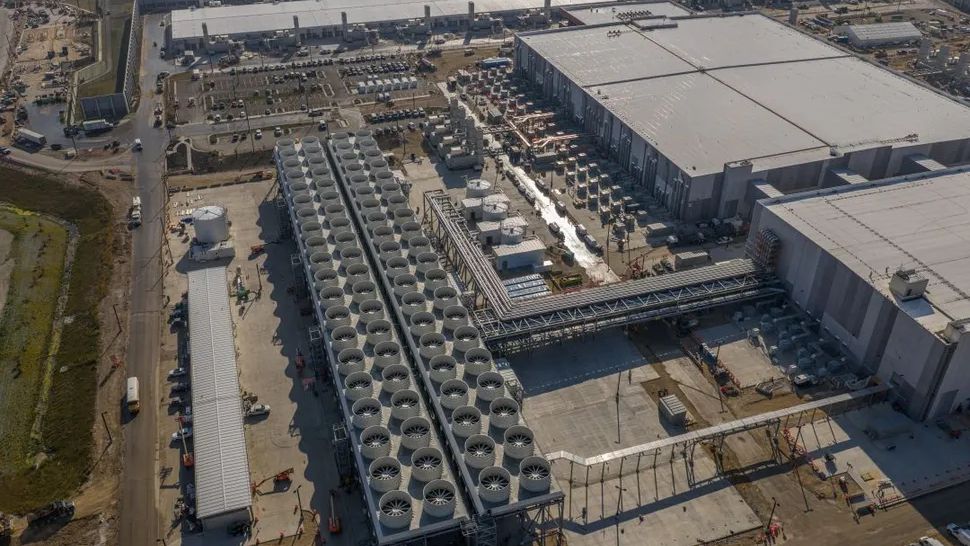
Applied Digital is constructing a 430MW AI facility at an undisclosed Southern US location, citing protection for small communities unprepared for media scrutiny.
The Shadow Data Centers: Why AI Companies Are Building in Secret
The rapid expansion of artificial intelligence infrastructure is taking an unexpected turn toward secrecy, as companies increasingly seek to avoid public scrutiny and community pushback. Applied Digital, a former cryptocurrency mining company that pivoted to AI operations, exemplifies this trend with its decision to keep the location of its latest 430-megawatt data center construction project under wraps until February.The company's CEO, Wes Cummins, frames this approach as protective rather than evasive. "We're not trying to hide anything," Cummins explained to The Register. "You go to some of these small locations... It's not like these towns have really sophisticated public communications departments with people that handle all of this. It's really a sensitivity for them, not for us."This strategic opacity reflects a broader challenge facing the AI industry as it scales infrastructure across rural America. Applied Digital's previous projects in Harwood, North Dakota, and Ellendale, Colorado, encountered significant community resistance, illustrating the delicate balance between technological advancement and local acceptance.The controversy surrounding AI data centers extends far beyond community relations. These facilities' enormous energy demands are reshaping regional power grids and electricity markets in ways that directly impact consumers. Recent data shows residential electricity bills have spiked by up to 36% in some areas, while wholesale electricity prices have surged an staggering 267% over the past five years.This energy crisis has captured political attention across party lines. Democratic Senator Elizabeth Warren, alongside two colleagues, has demanded transparency from major AI companies regarding their energy consumption patterns. Meanwhile, Bernie Sanders has called for a complete moratorium on new AI data center construction. Even President Trump has weighed in, insisting that AI companies must "pay their own way" rather than shifting costs to American consumers.The industry's response has been mixed but notable. Microsoft recently unveiled a five-point community-first framework promising to "be a good neighbor" to data center host communities. OpenAI has similarly committed to funding grid infrastructure improvements to alleviate strain on local energy systems. However, it remains unclear whether these initiatives represent genuine industry-wide change or merely public relations responses from high-profile companies.Applied Digital's secretive approach may become a template for future AI infrastructure development, as companies seek to balance rapid expansion with community acceptance. While transparency advocates argue for open dialogue about these projects' impacts, the reality of deploying massive technological infrastructure in small communities presents genuine challenges that traditional corporate communication strategies may not adequately address.As the AI boom continues to reshape America's energy landscape, the tension between technological progress and community welfare will likely intensify, making Applied Digital's cautious approach both a symptom of current challenges and potentially a preview of industry practices to come.